Why Soil Organic Matter Matters: Its Critical Role in Nutrient Cycling
In the realm of agricultural science, soil organic matter is often hailed as the backbone of fertile farming. But what exactly makes it so crucial? The answer lies in its essential role in nutrient cycling. Understanding this process can empower growers and agronomists to enhance crop productivity and soil health.
The Basics of Soil Organic Matter
Soil organic matter is a complex amalgamation of decomposed plant and animal residues, microbes, and humus. It is the fraction of the soil that teems with life and contributes significantly to soil structure and fertility. When you think about healthy soil, it’s impossible to ignore the vital role of soil organic matter. By serving as a reservoir of nutrients, it facilitates the nutrient cycling process—where nutrients are exchanged between the soil, plants, and the environment.
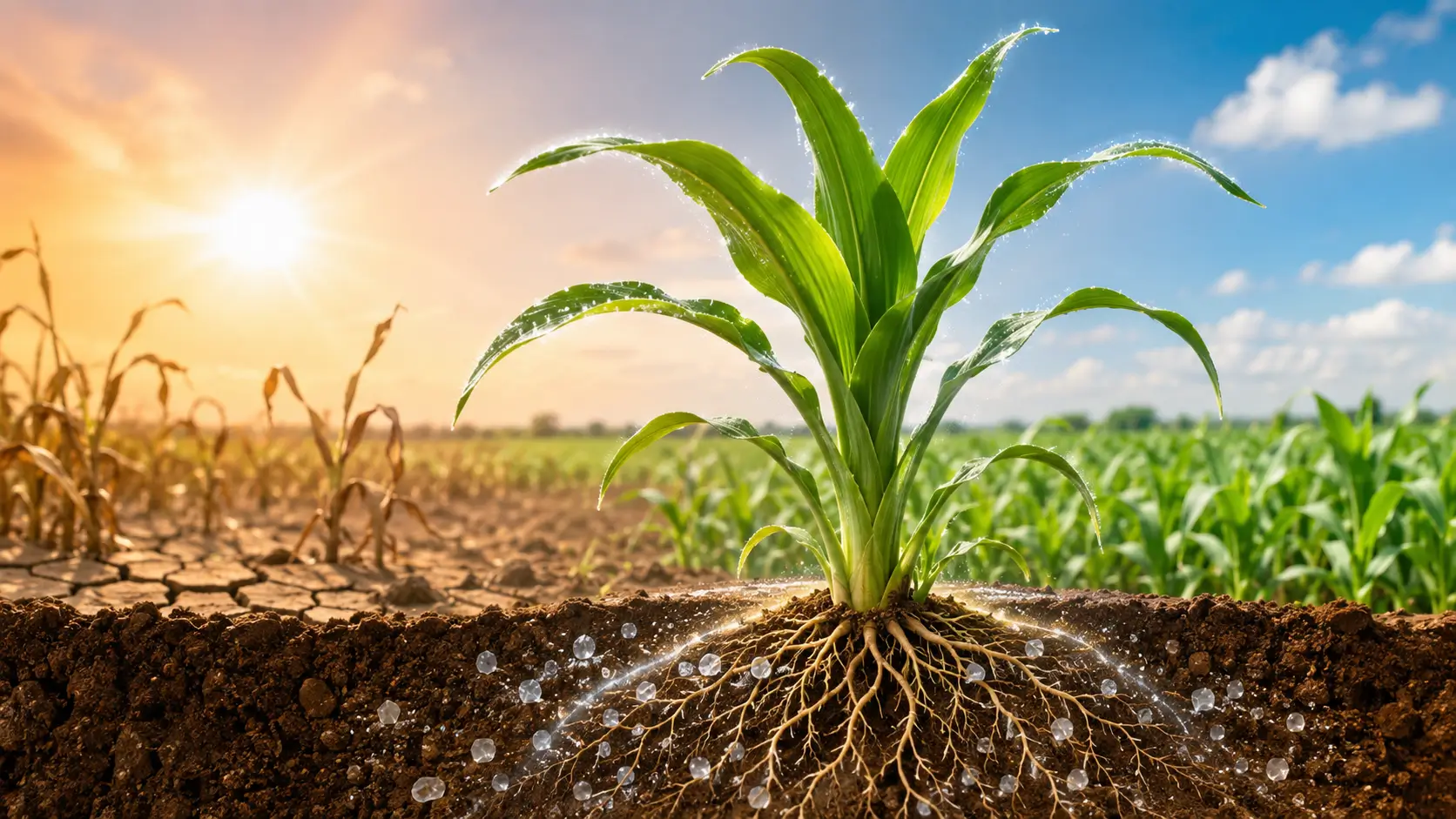
This organic component not only improves soil structure, promoting better aeration and water retention, but also acts as a buffer against soil erosion. For farmers, this means fewer inputs are needed, as the soil itself becomes a more efficient provider of nutrients.
The Nutrient Cycling Process
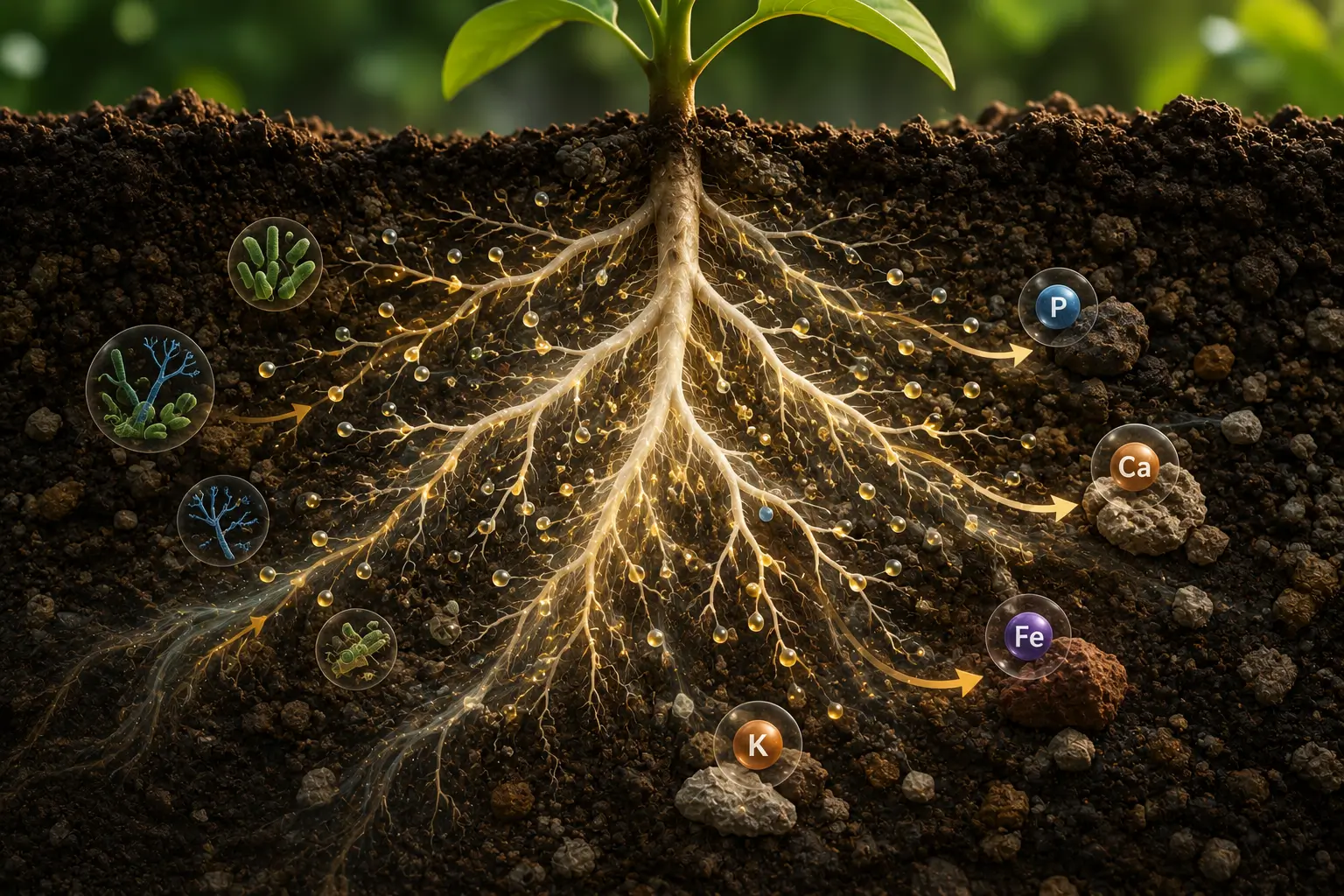
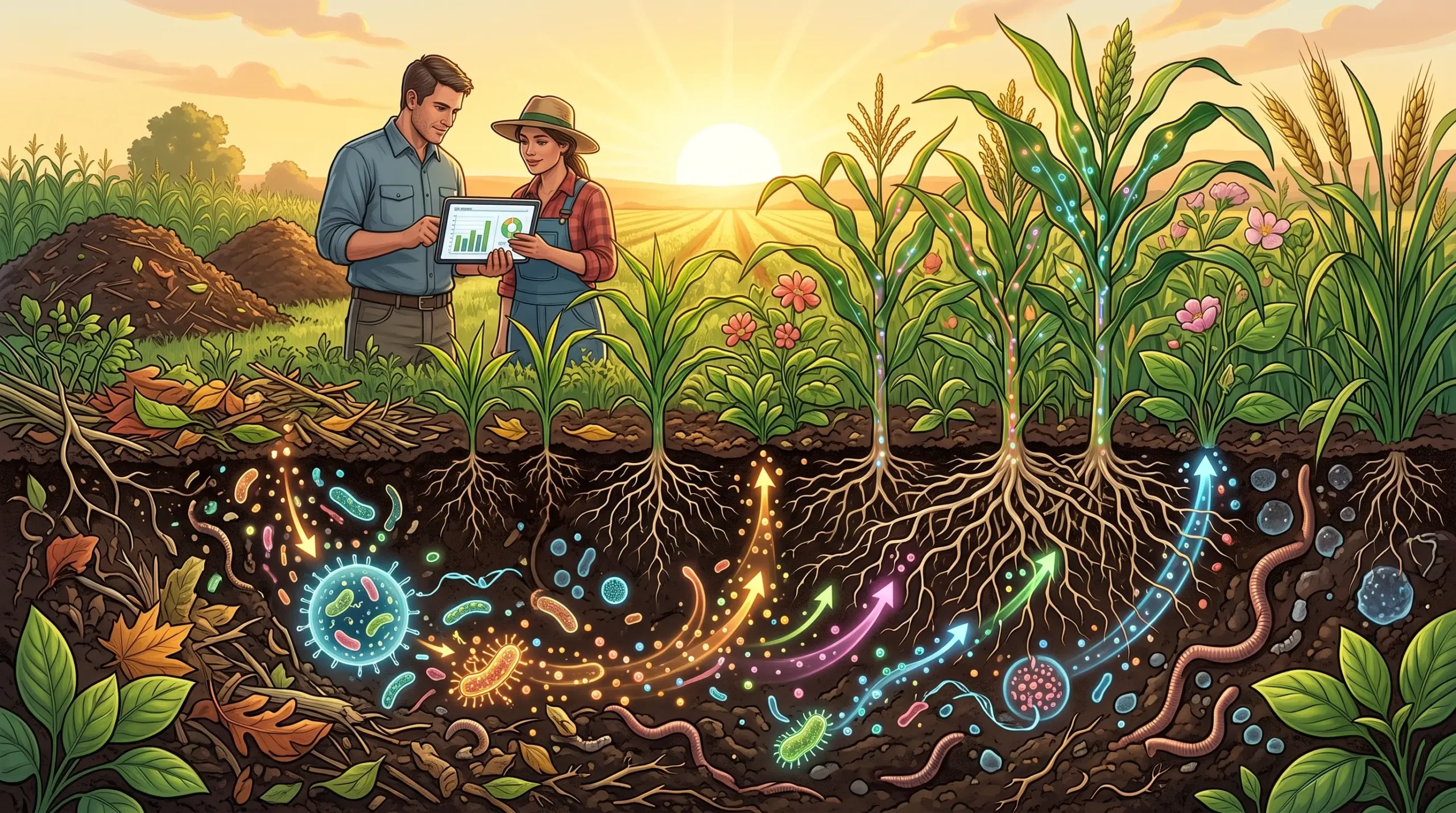
At the heart of soil organic matter’s value is its involvement in nutrient cycling. This process is crucial because it ensures that essential nutrients like nitrogen, phosphorus, and potassium are continuously available to plants. Through the decomposition of organic material, nutrients are released back into the soil, making them accessible to plant roots.
Microorganisms play a pivotal role here. As they break down organic matter, they transform complex compounds into simpler forms that plants can readily absorb. This biological activity not only releases nutrients but also stabilizes them, preventing leaching and ensuring a sustainable supply over time.
For growers, understanding nutrient cycling can inform better management practices, such as crop rotation and the incorporation of cover crops, which further enhance organic matter and nutrient availability.
Boosting Soil Organic Matter for Improved Nutrient Cycling
Increasing soil organic matter is a strategic move that can lead to improved nutrient cycling and overall soil health. One effective method is the use of organic amendments, such as compost and green manure. These materials add a fresh supply of organic matter to the soil, enhancing its structure and nutrient-holding capacity.
Conservation tillage practices also contribute positively by minimizing soil disturbance and preserving organic matter. By reducing the frequency and intensity of tillage, you help maintain a thriving ecosystem of beneficial organisms that are essential for nutrient cycling.
Moreover, diversifying crops and implementing agroforestry practices can significantly impact the organic matter content. Such approaches not only enhance biodiversity but also promote a continuous input of organic residues into the soil, further supporting nutrient cycling.
Conclusion: Embrace Soil Organic Matter for Sustainable Agriculture
In the quest for sustainable agriculture, recognizing the importance of soil organic matter is paramount. Its critical role in nutrient cycling forms the cornerstone of soil fertility and crop productivity. By investing in practices that boost organic matter, you pave the way for healthier crops and soils.
If you’re eager to harness the power of soil organic matter to optimize your fields, consider integrating organic amendments and adopting conservation tillage. These steps can lead to a more resilient agricultural ecosystem.
Ready to take your soil management to the next level? Explore sustainable farming practices that enhance soil organic matter today and witness the transformation in your crop yields.