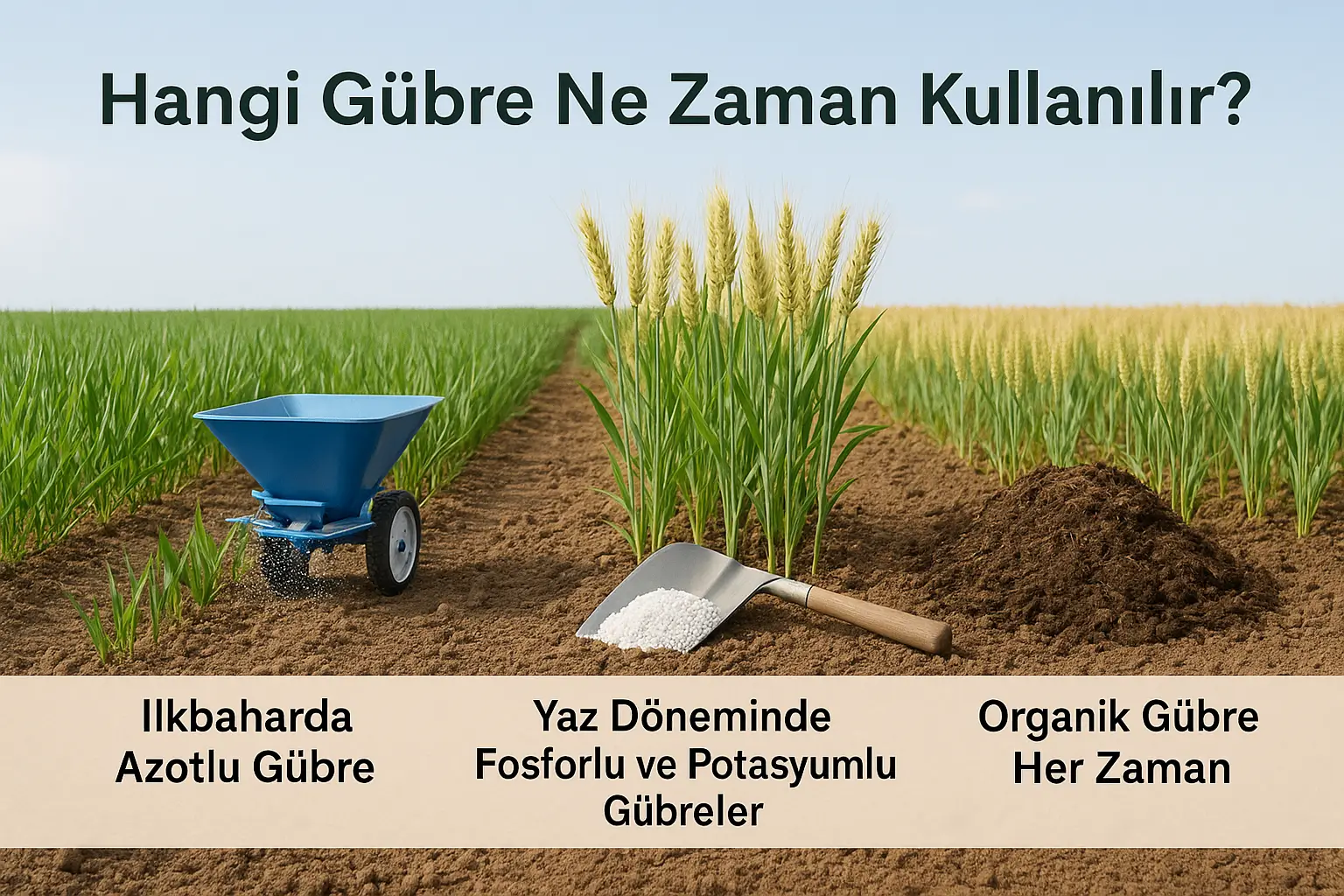
When Should Each Fertilizer Be Used?
1. Why Choosing the Right Fertilizer Matters
1.1. Plants Have Seasonal Nutrient Needs
Understanding when each fertilizer should be used depends on the plant’s growth stage. Nitrogen promotes leaf growth, phosphorus supports flowering, and potassium enhances fruit quality. Choosing the right type and time ensures balanced, sustainable yield.
1.2. Soil Analysis Guides Fertilizer Choice
Without soil analysis, fertilizer use becomes guesswork. Testing the soil helps identify deficiencies and prevents waste or over-fertilization. Scientific planning not only saves cost but also protects long-term soil health.
2. Fertilizer Use by Season
2.1. Spring – Nitrogen-Based Fertilizers
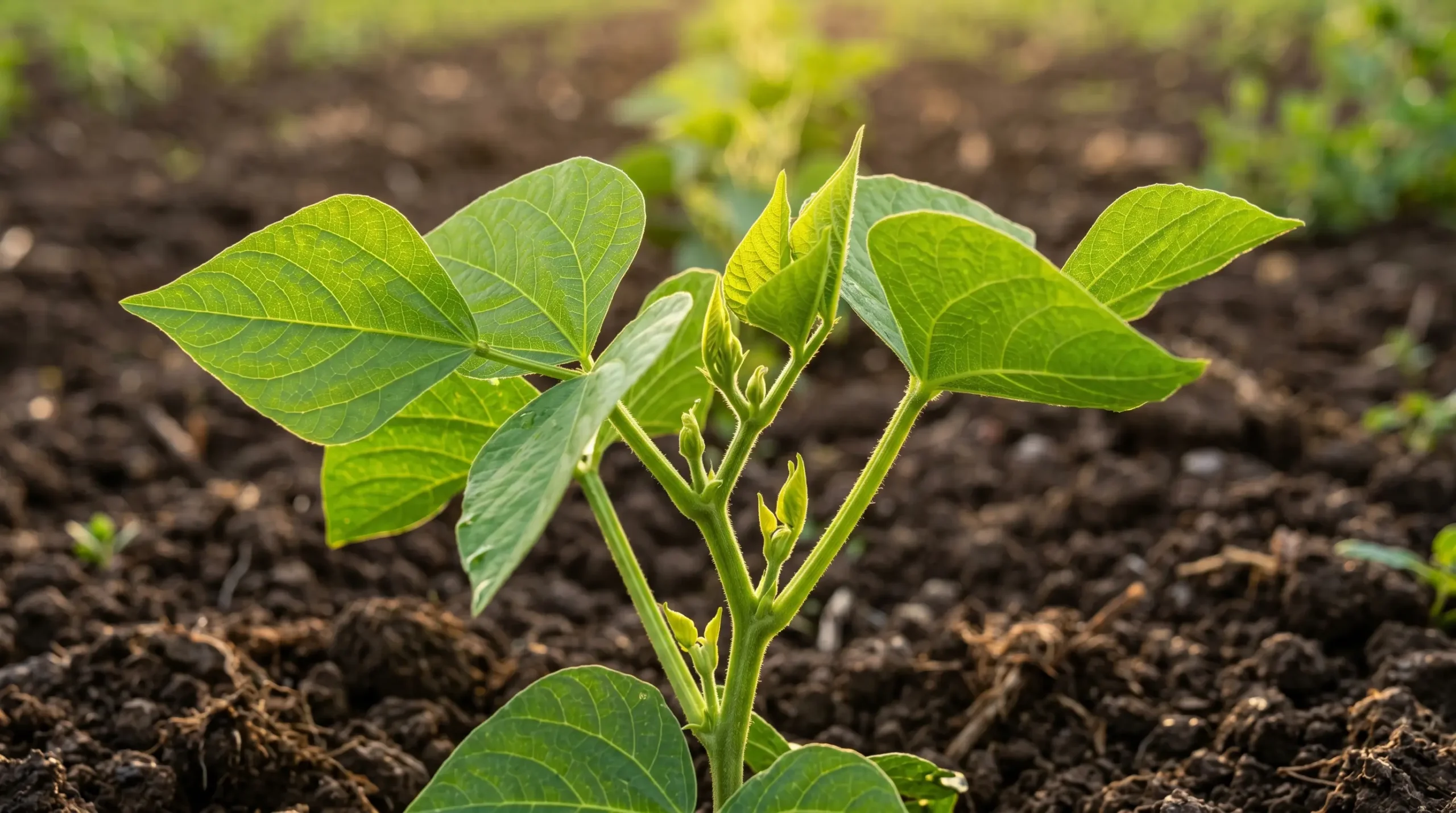
Spring is the period of active growth. Use nitrogen fertilizers (urea, ammonium nitrate, CAN) to boost leaf formation and photosynthesis. This ensures a strong start for the season.
2.2. Summer – Phosphorus and Potassium Fertilizers
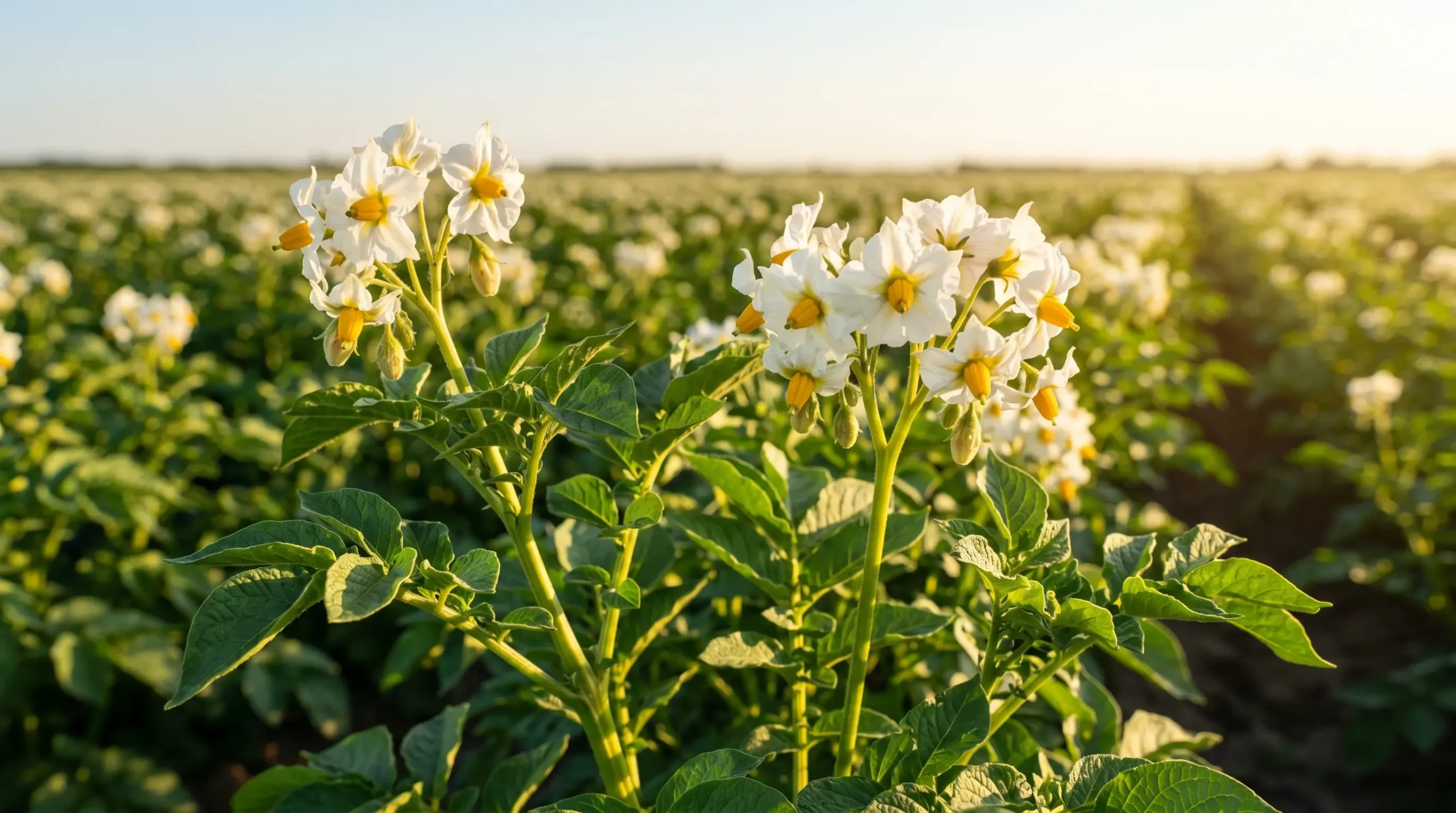
During flowering and fruiting, switch to phosphorus (DAP, TSP) and potassium (potassium sulfate, potassium nitrate) fertilizers. Phosphorus strengthens roots, while potassium improves fruit color, flavor, and shelf life.
2.3. Autumn – Soil Renewal with Organic Fertilizers
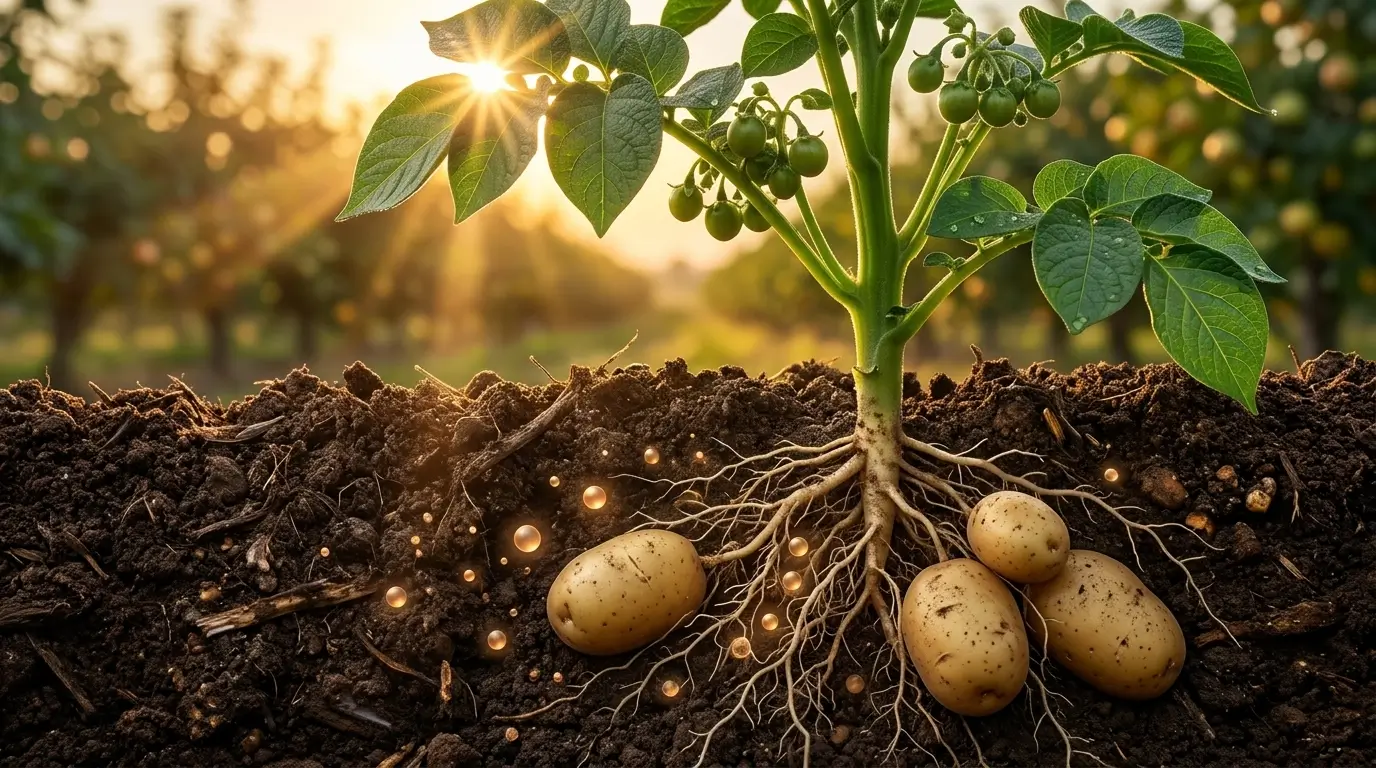
After harvest, the soil needs recovery. Apply organic fertilizers such as compost, manure, or humic acid to rebuild structure and increase microbial activity before winter.
3. Fertilization by Crop Type
3.1. Cereals
Apply phosphorus before sowing and nitrogen during tillering for balanced root and stem development.
3.2. Vegetables and Fruit Trees
Use nitrogen during growth, potassium during fruit development, and phosphorus before flowering.
3.3. Foliar Fertilizers
For quick correction of nutrient deficiencies, foliar applications can be effective — but dosage control is essential to avoid leaf burn.
✅ Conclusion:
Successful fertilization isn’t about how much you apply, but when and how. A scientific and well-timed approach ensures healthier plants, higher yield, and sustainable farming.