THE SOIL IS FULL OF CALCIUM. PLANTS ARE STILL STARVING FOR CALCIUM. WHY?
Plants need essential nutrients for healthy development and high yields. Calcium plays a critical role among these nutrients. Even if there is sufficient calcium in the soil, farmers frequently encounter problems related to calcium deficiency in plants. So, why do plants still suffer from calcium starvation when soil analyses show high calcium levels? Behind this situation lie many overlooked factors, incorrect applications, and complex soil-plant interactions.
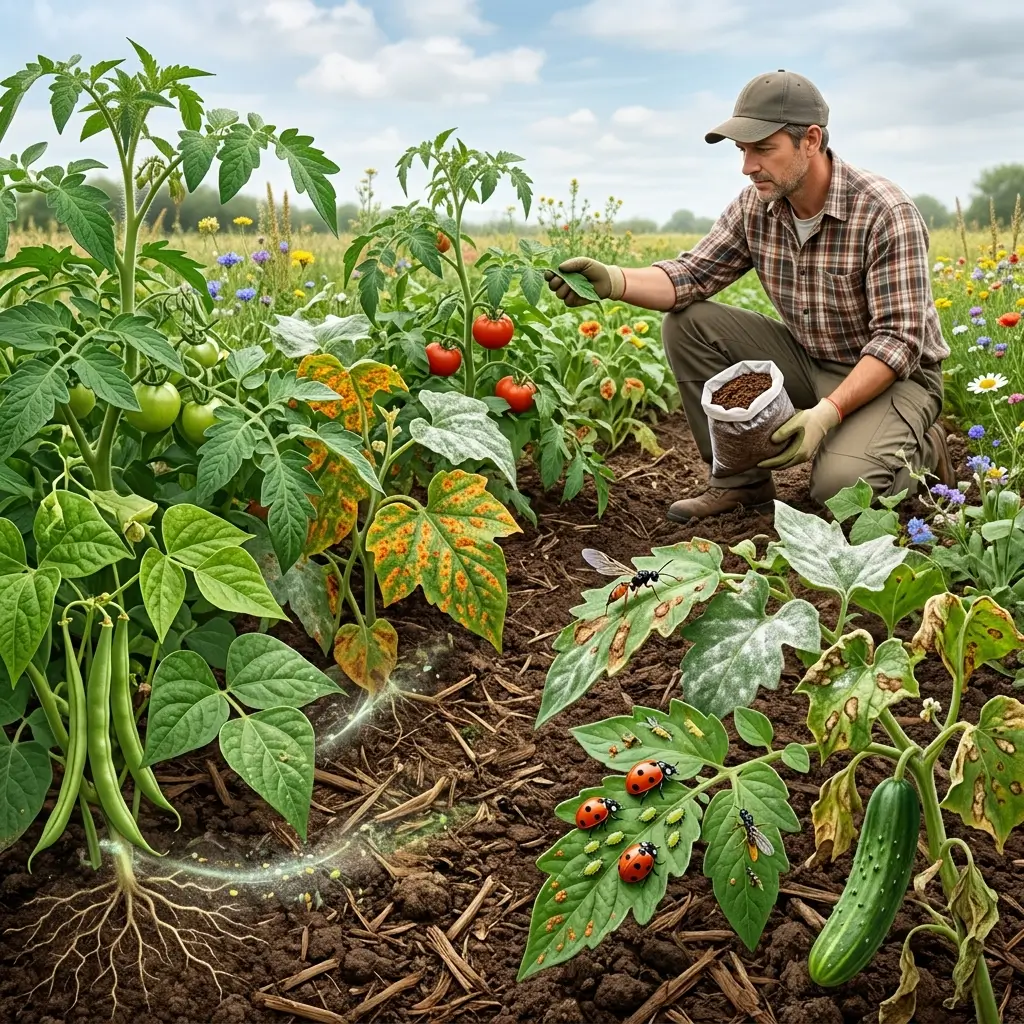
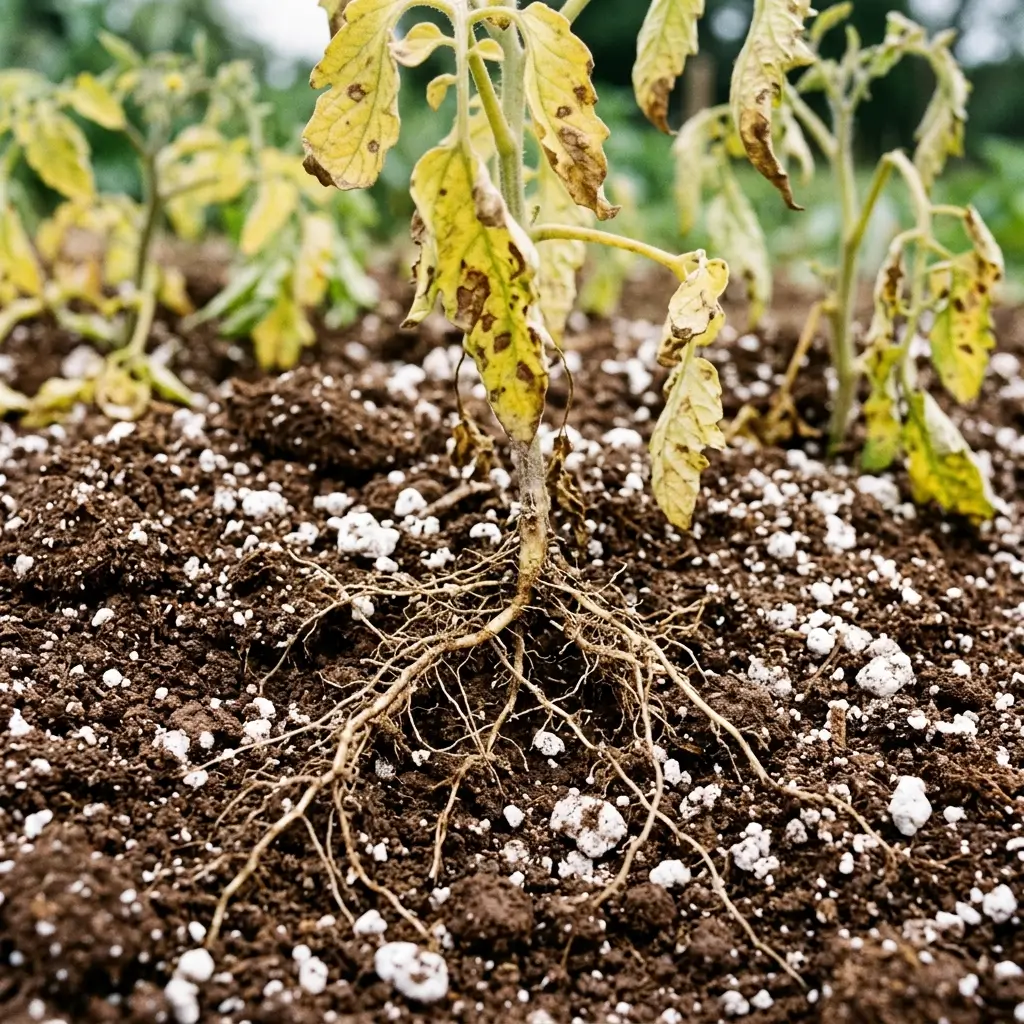
Calcium is in the Soil, Why Can’t the Plant Take It Up? In agriculture, it is not enough for calcium to simply be present in the soil; what matters is that the plant can actively take up this element through its roots. The total amount of calcium measured in the soil and the calcium available for plant use may not always be the same. Calcium in plant nutrition is directly related to cell wall flexibility and strength, as well as fruit and leaf quality. If plants cannot access enough calcium, serious agricultural problems such as tip burn on leaves, fruit rot (blossom end rot), low yield, and quality loss can arise.
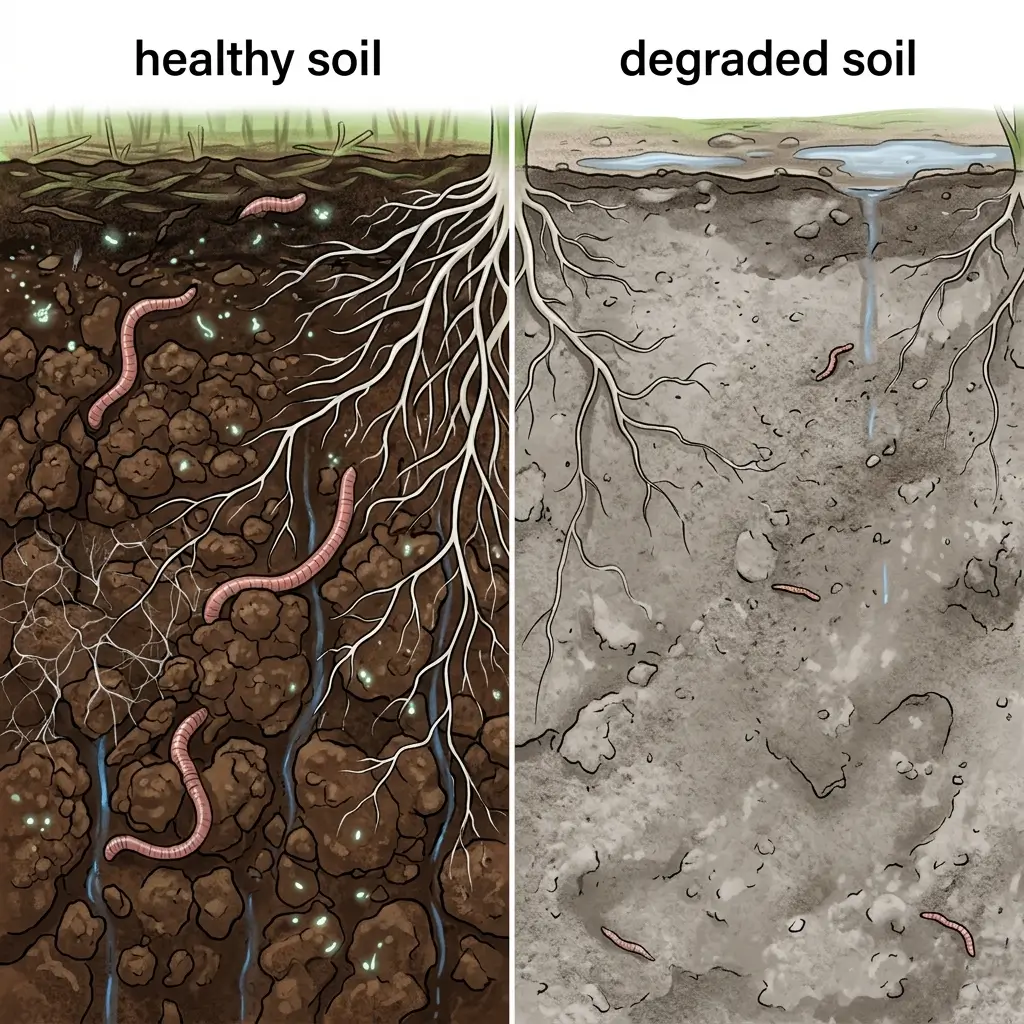
The Effect of Soil Properties on Calcium Availability The physico-chemical structure of the soil plays a key role in the transfer of calcium to the plant. Especially in soils with high clay content or excessive sodium or magnesium levels, the movement of calcium to the root zone is restricted. Soil pH is also of vital importance; in highly acidic or highly alkaline environments, the solubility and availability of calcium decrease. Special conditions such as soil compaction, poor drainage, and salinity also prevent calcium from reaching the roots. Therefore, in soil analyses, it is necessary to look not only at total calcium but also at available calcium forms and the balance of other macro and micronutrients.
Intensive Fertilization and Incorrect Nutrient Balancing While farmers mostly focus on essential nutrients like nitrogen, potassium, and phosphorus, the effects of calcium and other micronutrients are often neglected. However, excessive ammonium fertilizers, or high potassium or magnesium applications, suppress calcium uptake due to ion competition in the root zone. If imbalances between calcium and potassium, or calcium and magnesium, are overlooked in the fertilization plan, the transport of calcium to the plant becomes difficult even if it appears high in the soil analysis. Having all nutritional elements balanced in agriculture is a direct determining factor on yield and quality.
Water Management, Stress Conditions, and Root Development Plants take up calcium mostly through transpiration. Environmental stresses such as insufficient irrigation, irregular rainfall, excessive evaporation, and sudden temperature changes directly slow down calcium transport. Calcium flow is severely hindered in plants with weak or diseased root development, or in heavy soils with low water permeability. Young organs, especially leaves and fruits, have a continuous need for calcium. The irrigation regime, soil structure, and root health should be evaluated together; the cause behind calcium deficiency should be sought not only in the soil but also in field water management and environmental factors.
Leaf Analysis and Diagnosing True Calcium Needs A common mistake in field applications is relying solely on soil analysis. However, conditions vary regarding the plant’s nutrient uptake from the soil. Leaf analysis is the clear indicator of the amount of calcium the plant has absorbed. In-season leaf sampling and analyses help to diagnose calcium deficiency more quickly. Thus, yield and quality losses can be prevented with timely intervention and an appropriate fertilization program. Additionally, the application time of fertilizers must be compatible with the plant’s growth stages. Critical periods such as flowering and fruit setting stand out as the moments when the need for calcium is highest.
Common Misconceptions and Frequent Application Errors One of the most common misconceptions in agriculture is the belief that if there is calcium in the soil, there will be no deficiency. However, as mentioned above, it is mostly a matter of insufficient available calcium. Furthermore, choosing the wrong calcium fertilizer (e.g., those with low water solubility) or applying it at the wrong time deepens the problem rather than solving it. Washing calcium out of the soil with excessive irrigation or failing to reach the root zone due to faulty irrigation are also common field errors. For a solution, it is essential to consult both soil and leaf analyses together and to apply calcium fertilization in the right form and at the right time.
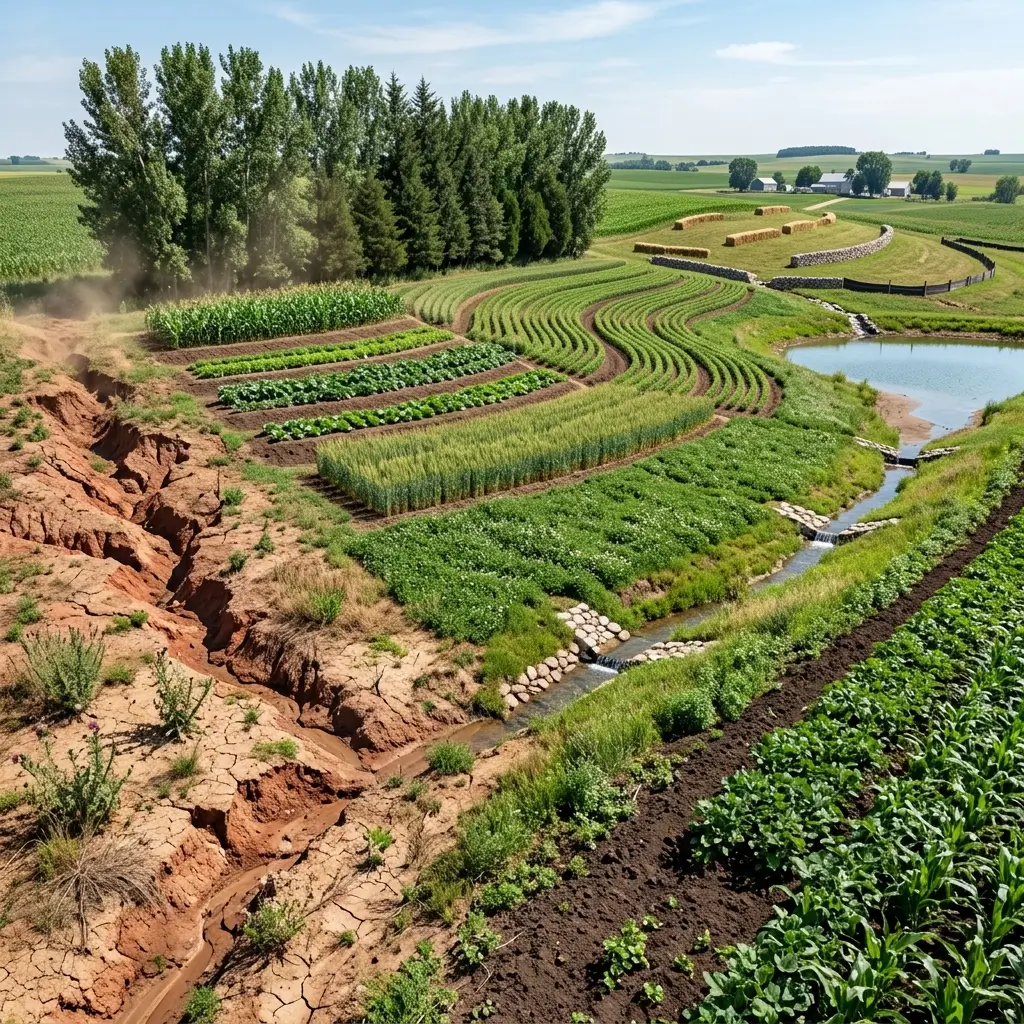
The Right Approach and Effective Solutions To truly prevent calcium starvation in plants, it is necessary to take a holistic look not only at the soil calcium level but also at all applied agricultural practices, irrigation management, and plant growth stages. Improving soil structure, determining the appropriate calcium source and fertilization time, and establishing a good balance with other nutrients will increase yield and quality while effectively preventing calcium deficiency. Fertilization plans based on leaf analysis, conscious irrigation, and correct application provide a strong investment for the upcoming yield year. In short, having an abundance of calcium in the soil is not enough on its own; a balanced, analytical, and holistic agricultural approach—starting from the plant’s roots and extending to product quality—is the key to truly preventing calcium deficiency.