What Does Soil Yellowing Mean?
1. Why Does Soil Turn Yellow?
1.1. Signs of Nutrient Deficiency
When soil changes from dark brown to yellow, it usually indicates a lack of nitrogen, iron, or organic matter. These deficiencies reduce soil vitality and limit root development.
In nitrogen-poor soils, both the soil and plants appear pale. Farmers often describe this as “soil fatigue,” a sign that nutrients are depleted.
1.2. Over-Fertilization
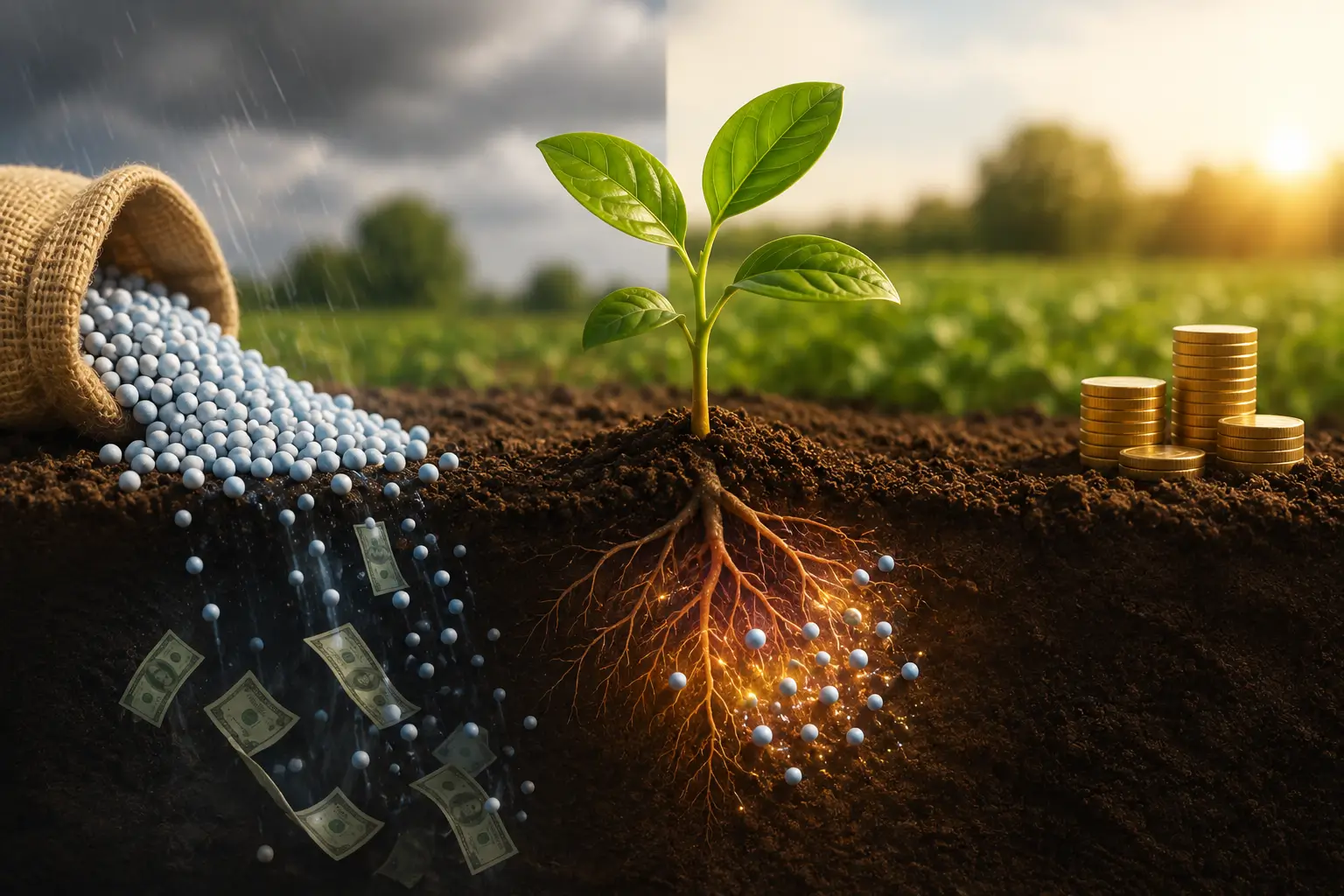
Another common cause of yellow soil is excess fertilizer.
Overuse increases salinity, making it difficult for roots to absorb water. As a result, the soil dries out, and plants begin to yellow.
Applying fertilizers in the right amount and at the right time helps preserve soil health and structure.
2. How Does Yellow Soil Affect Plants?
2.1. Reduced Photosynthesis
Yellow, nutrient-poor soil prevents plants from producing sufficient chlorophyll. This directly slows photosynthesis, limiting energy production and growth.
2.2. Weakened Root Growth
High salt levels or low mineral content reduce the ability of root cells to absorb water.
The plant becomes stressed, leading to yellowing leaves and slower development.
2.3. Loss of Productivity
Over time, yellow soil loses beneficial microorganisms.
This causes a decline in yield and, in severe cases, complete crop failure.
Regular nitrogen and organic matter supplements are essential to restore fertility and natural color.
3. How to Restore Soil Color and Health
3.1. Add Organic Matter
Compost, manure, or humic acid products rejuvenate the soil, increasing moisture retention and deepening color.
3.2. Maintain a Balanced Fertilization Plan
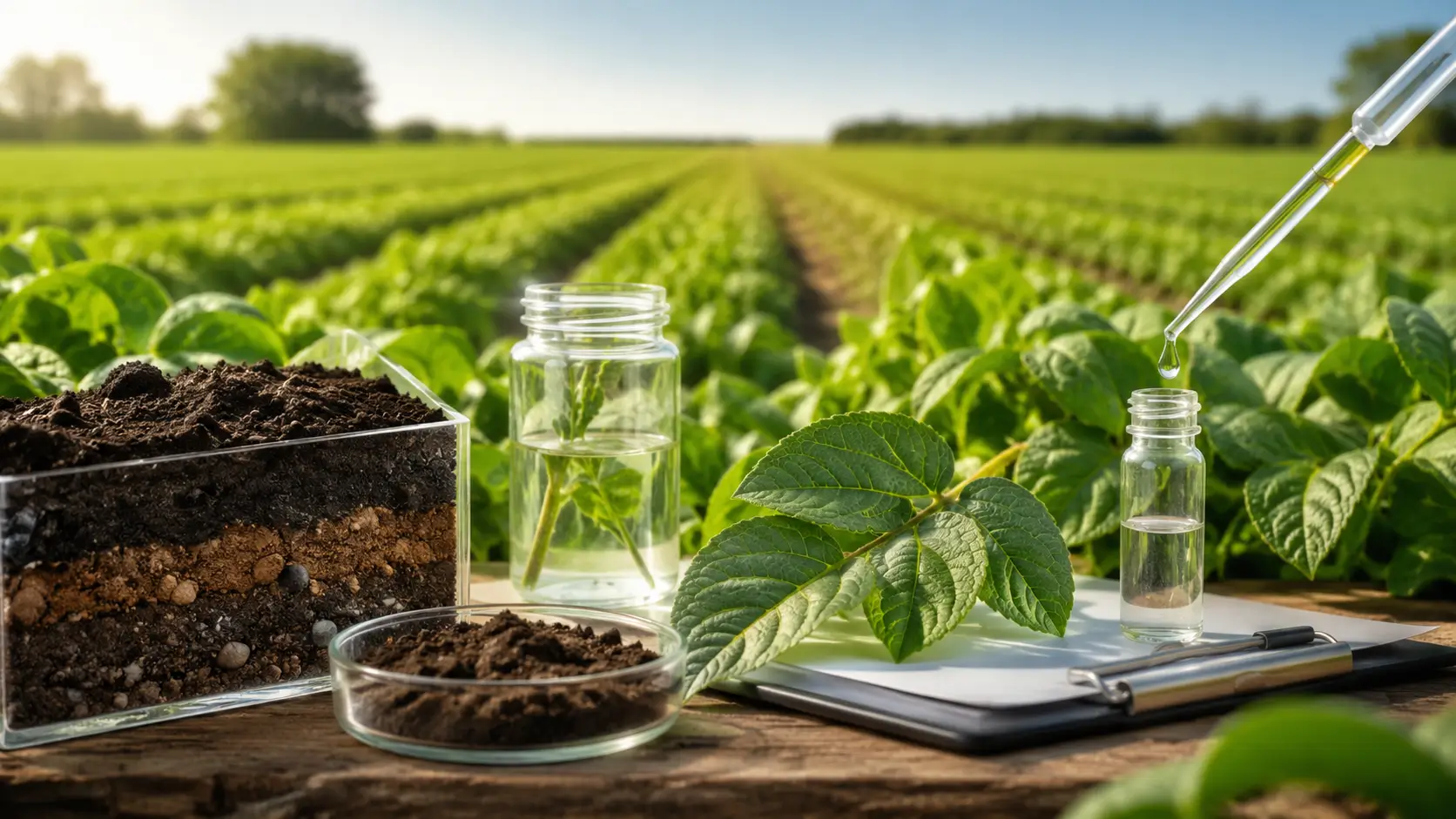
Always perform a soil test before fertilizing.
Balance nitrogen, phosphorus, and potassium levels according to crop needs.
3.3. Improve Soil Aeration
Compacted soil lacks oxygen. Light tilling or aeration allows air to circulate, helping the soil regain its vitality.
✅ Conclusion:
Soil yellowing is an early warning of fertility loss.
The main causes are nitrogen deficiency, over-fertilization, or low organic matter.
With regular testing, balanced fertilization, and organic support, the soil can quickly regain its color, structure, and productivity.