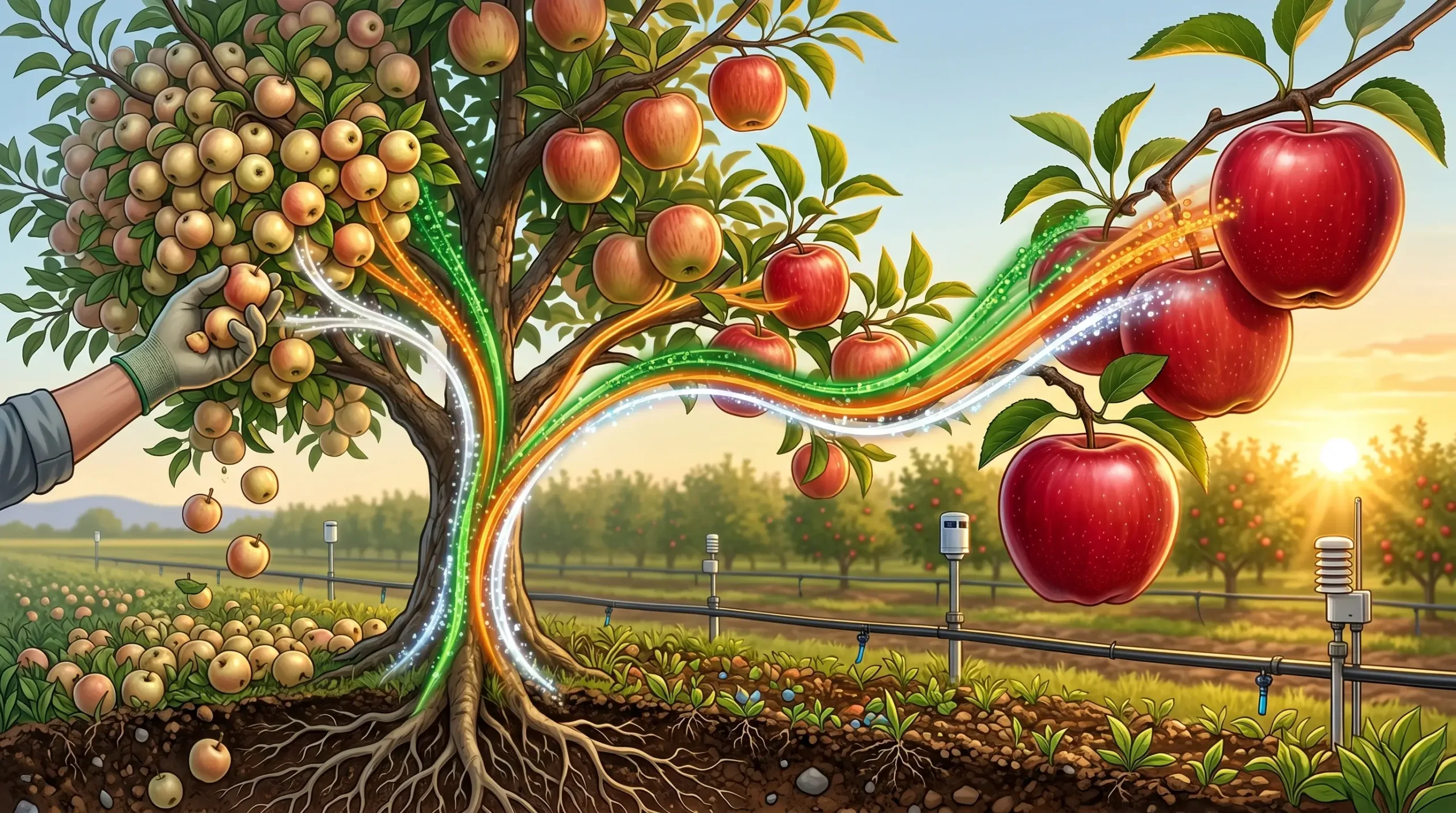
The Role of Nutrition in Fruit Thinning: When to Intervene for Better Quality
In the world of agriculture, the delicate balance between fruit load and tree health is crucial. The key to achieving this balance often lies in the role of nutrition in fruit thinning. Understanding when and how to intervene can significantly impact fruit quality and yield, making it a topic of keen interest for growers and agronomists alike.
Why Fruit Thinning Matters
Fruit thinning is an essential practice in orchard management. It involves the selective removal of fruits to improve the size and quality of the remaining ones. Without thinning, trees can become overburdened, leading to smaller fruits and increased susceptibility to diseases. This process not only enhances fruit quality but also ensures the longevity and health of the tree by preventing stress and resource depletion.
The Role of Nutrition in Fruit Thinning
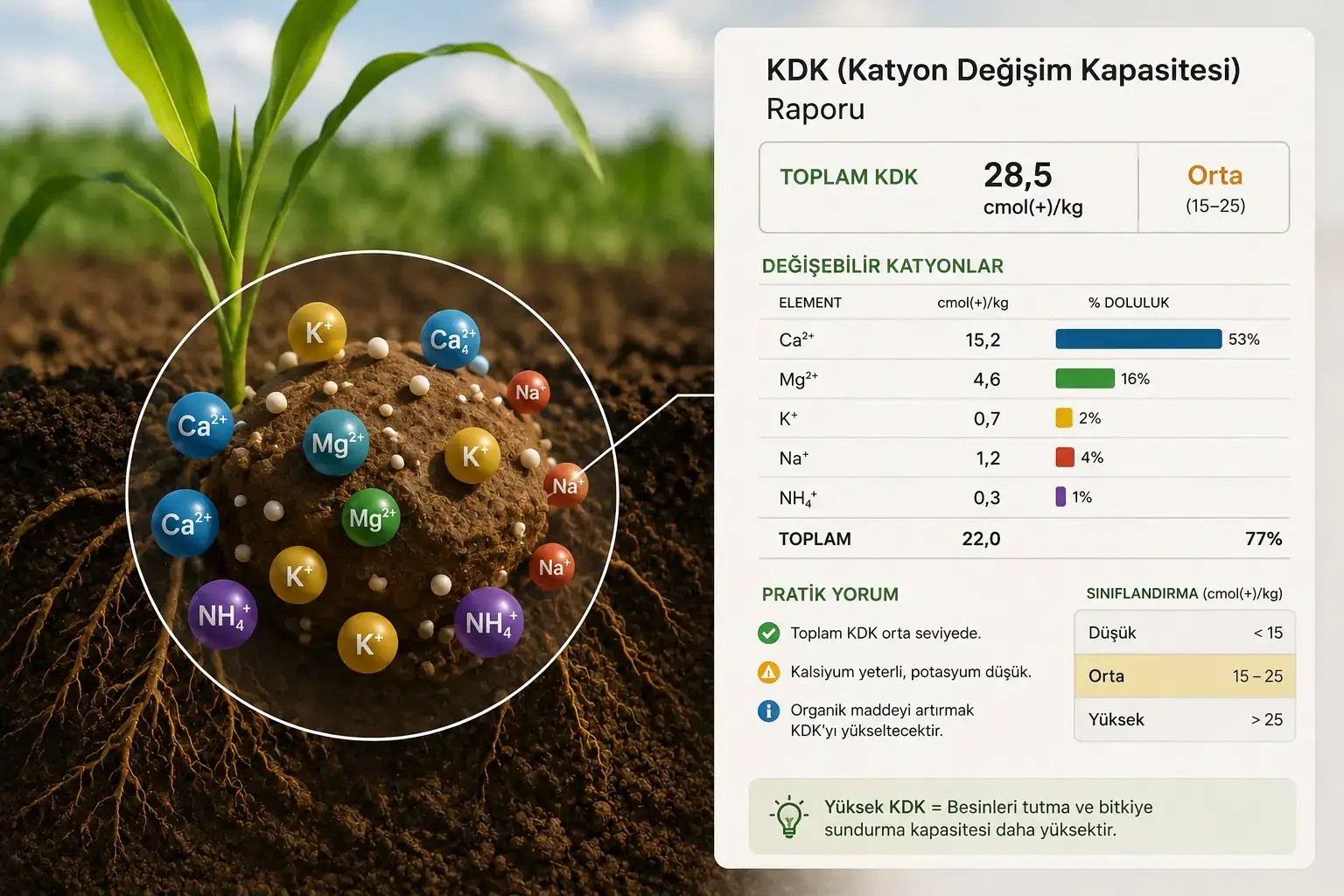
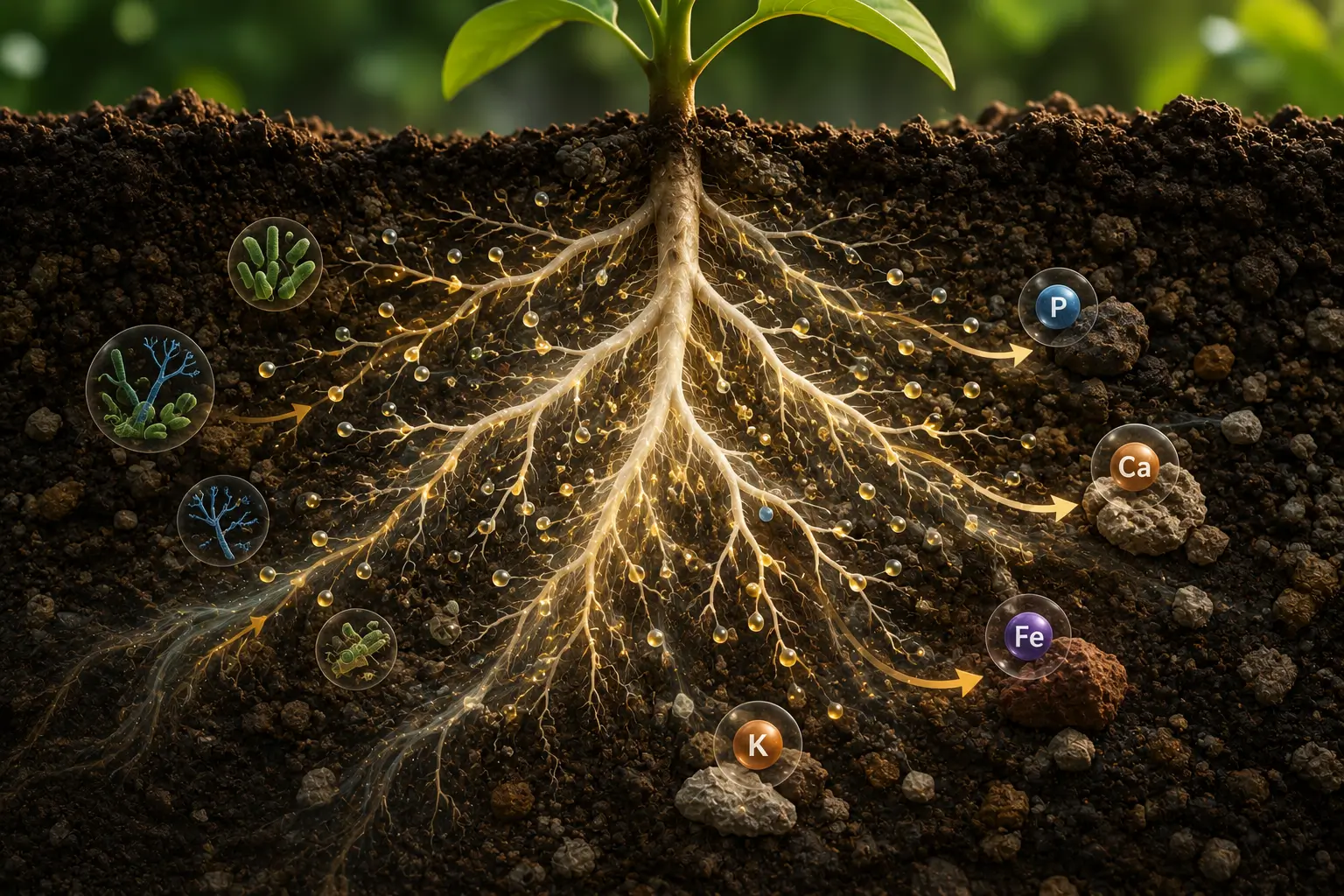
Nutrition plays a pivotal role in the success of fruit thinning strategies. Adequate nutrient supply is crucial for the development of strong cell walls, enzyme function, and the overall growth of fruit. Nutrients such as nitrogen, potassium, and calcium are particularly important. Nitrogen aids in the growth of new tissues, potassium regulates water movement and enzyme activity, and calcium strengthens cell walls.
However, the timing of nutrient application is just as important as the nutrients themselves. Applying the right nutrients at the wrong time can be as detrimental as not applying them at all. For instance, excessive nitrogen before thinning can lead to excessive vegetative growth, making thinning more challenging and less effective.
When to Intervene with Nutrient Application
Determining the optimal time to intervene with nutrient application during the fruit thinning process can be complex. It generally involves a careful assessment of the tree’s developmental stages and nutrient status. Early in the season, before bud break, is often an ideal time to assess and adjust nutrient levels. This ensures that the tree has the resources necessary for flowering and fruit set.
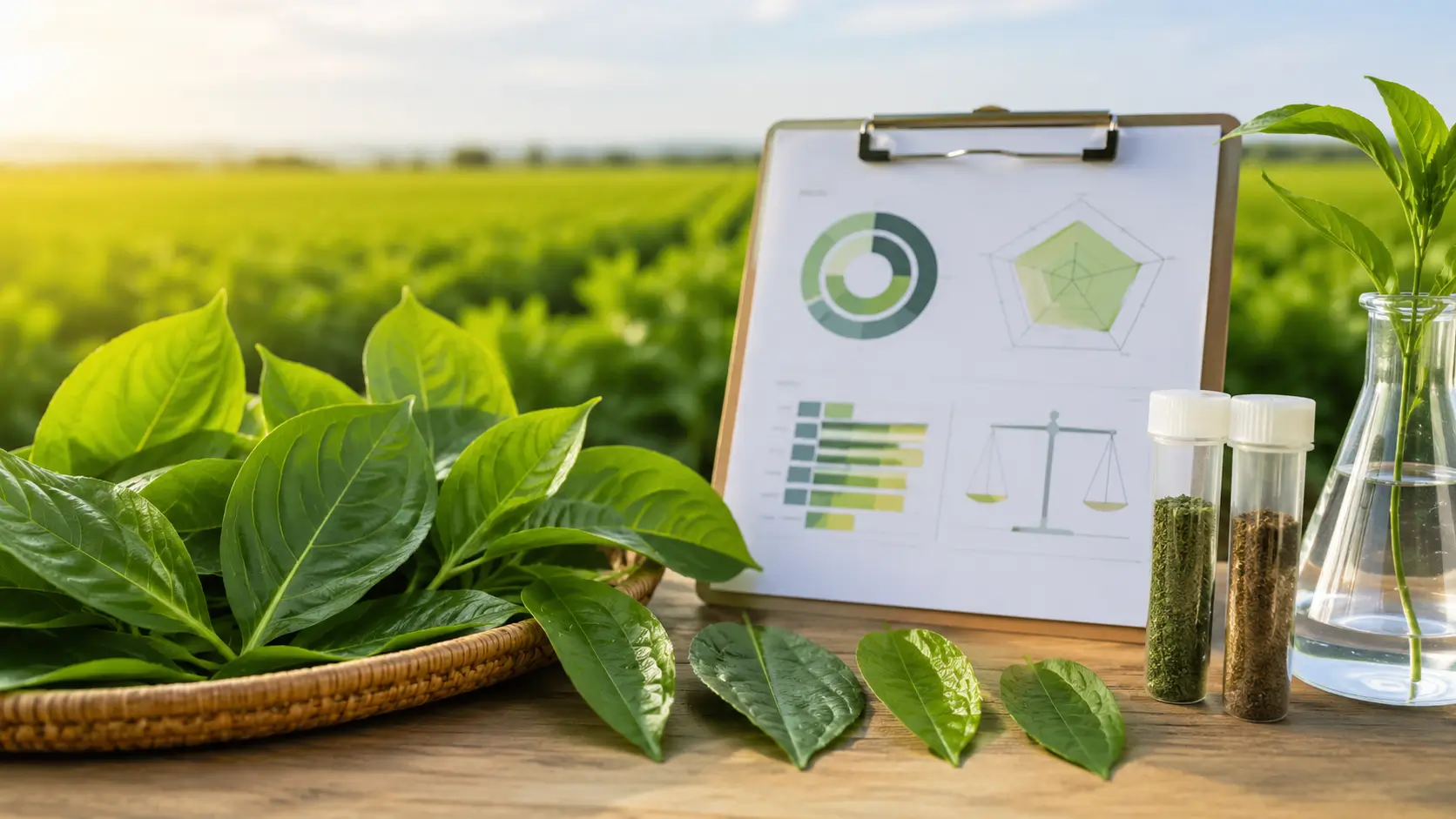
As the season progresses, regular monitoring and soil testing can help identify any nutrient deficiencies or imbalances. Mid-season, during the active growth phase, may require additional nutrient applications to support fruit development and prevent disorders such as bitter pit or cracking. Late-season interventions are typically focused on preparing the tree for the next growing cycle, ensuring it has sufficient reserves for winter dormancy and spring awakening.
Conclusion: Ensuring Optimal Fruit Quality through Nutrition
In conclusion, the role of nutrition in fruit thinning cannot be overstated. By understanding when to intervene with nutrient applications, growers can significantly enhance fruit quality and tree health. The key is to tailor nutrient management strategies to the specific needs of the orchard, considering factors such as tree variety, soil conditions, and local climate.
For growers seeking to improve their fruit thinning practices, consulting with an agronomist can provide valuable insights and tailored recommendations. By prioritizing nutrition, you not only improve the current harvest but also ensure the long-term productivity of your orchard.
To stay ahead in the ever-evolving field of agriculture, continue to educate yourself about best practices in crop nutrition and management. Engage with experts, attend workshops, and keep your knowledge current to make informed decisions that benefit both your crops and your bottom line.
By embracing the critical role of nutrition in fruit thinning, you set the stage for a thriving orchard, abundant harvests, and fruits of the highest quality.