Zinc and Phosphorus Antagonism: How to Balance Both in Your Nutrition Program
In the world of crop nutrition, striking the right balance is crucial for maximizing yield and ensuring plant health. One of the trickiest relationships to manage is zinc and phosphorus antagonism. These two essential nutrients are vital for plant growth, yet they often compete with each other, posing a challenge for growers. Understanding this dynamic can help you develop a more effective nutrition program for your crops.
The Importance of Zinc and Phosphorus
Zinc is a micronutrient that plays a critical role in plant enzyme systems and hormone production, influencing everything from root development to flower formation. A zinc deficiency can stunt growth and reduce yields, making it essential to monitor and manage zinc levels in your crops.
Phosphorus, on the other hand, is a macronutrient vital for energy transfer and photosynthesis. It supports root development and enhances the strength of plant structures. Without adequate phosphorus, plants may exhibit poor growth and reduced productivity. Balancing these nutrients is key to sustaining healthy crops and achieving optimum yields.
Understanding Zinc and Phosphorus Antagonism
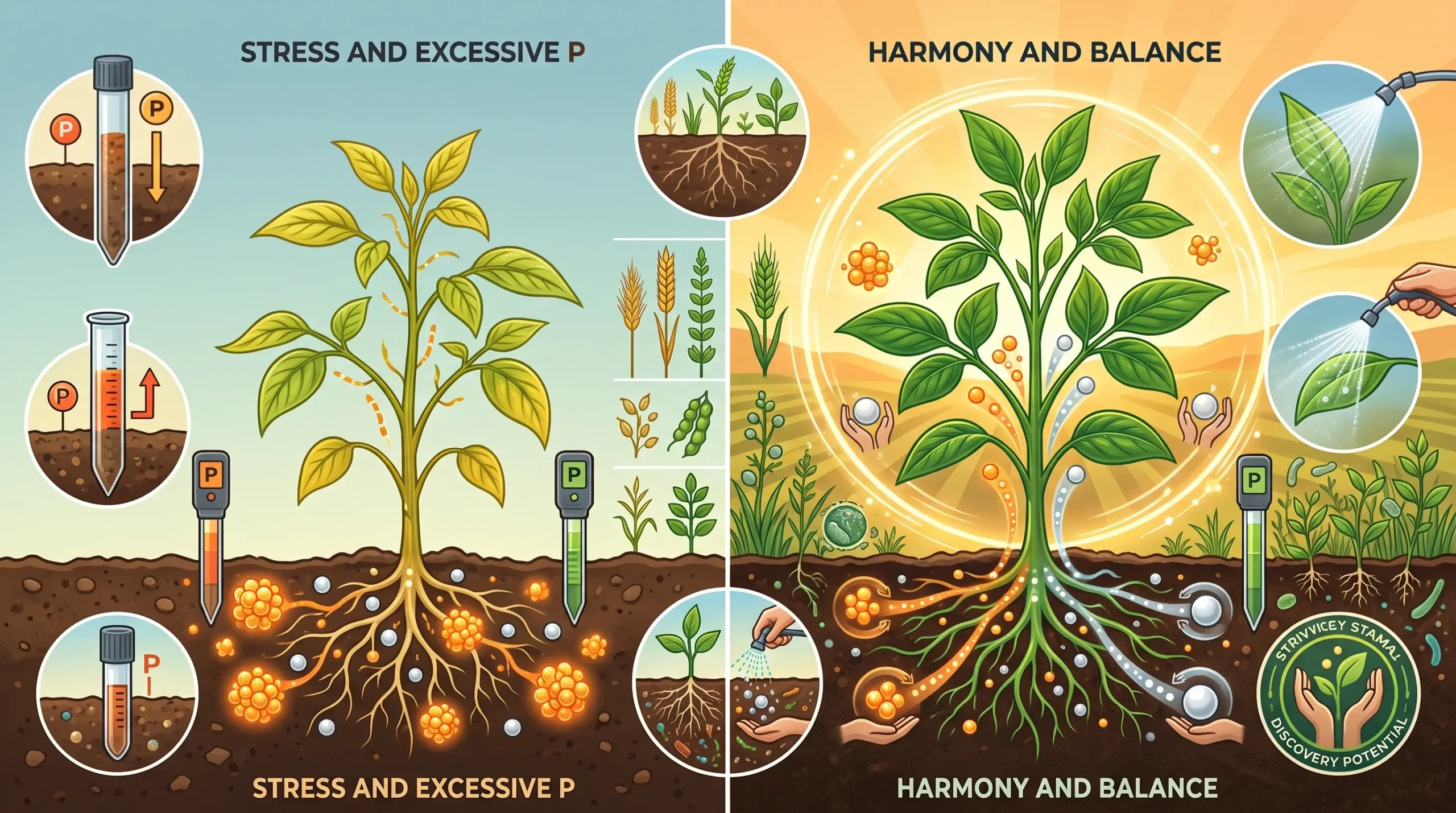
Zinc and phosphorus antagonism occurs when the presence of one nutrient interferes with the uptake or utilization of the other. High levels of phosphorus can inhibit the absorption of zinc by plants, leading to deficiencies. This antagonistic relationship is particularly problematic in soils with high phosphorus content or when excessive phosphorus fertilizers are applied.
Understanding this interaction is crucial for agronomists and growers who aim to maintain nutrient balance. Soil testing is essential to identify existing nutrient levels and tailor your fertilization strategy accordingly. Being proactive in your approach can prevent the negative effects of nutrient imbalances and ensure your crops receive the right nutrition.
Strategies for Balancing Zinc and Phosphorus
1. Soil Testing and Analysis: Regular soil testing is the foundation of a successful nutrition program. By understanding the existing nutrient levels, you can adjust your fertilization approach to minimize antagonism. Test your soil at least once a year to monitor changes and make informed decisions.
2. Tailored Fertilization: Based on soil test results, consider using fertilizers that provide both zinc and phosphorus in appropriate ratios. Avoid over-application of phosphorus, which can exacerbate zinc deficiencies. Using chelated zinc fertilizers can improve zinc availability to plants, even in soils with high phosphorus.
3. Crop Rotation and Diversity: Implementing a crop rotation system can help manage nutrient levels and reduce antagonism. By alternating crops with different nutrient requirements, you can prevent nutrient build-up and promote soil health. Diversifying your crop selection can also enhance nutrient uptake and improve overall soil fertility.
4. Foliar Applications: In cases where soil application is insufficient, consider foliar sprays to deliver zinc directly to plant tissues. This method bypasses soil interactions and provides an immediate source of zinc, especially during critical growth stages. Ensure foliar applications are done under optimal environmental conditions to maximize absorption.
Conclusion: Achieving Nutrient Harmony
Balancing zinc and phosphorus in your nutrition program is essential for healthy crops and high yields. By understanding zinc and phosphorus antagonism and implementing strategic management practices, you can optimize nutrient availability and enhance plant growth. Regular soil testing, tailored fertilization, crop rotation, and foliar applications are effective methods to achieve nutrient harmony.
Take charge of your crop nutrition program today. Consult with a soil expert or agronomist to develop a customized plan that addresses the unique needs of your crops. With careful management, you can overcome the challenges of zinc and phosphorus antagonism and ensure your plants receive the nutrients they need to thrive.