Silicon in Plant Nutrition: What the Research Says About Its Role and Benefits
In the realm of plant nutrition, silicon often stands in the shadows of more talked-about nutrients such as nitrogen, phosphorus, and potassium. Yet, emerging research underscores the significant role silicon plays in plant growth and resilience. As growers and agronomists increasingly seek ways to enhance crop productivity and sustainability, understanding silicon’s benefits could be a game-changer in agricultural practices.
The Importance of Silicon in Plant Nutrition
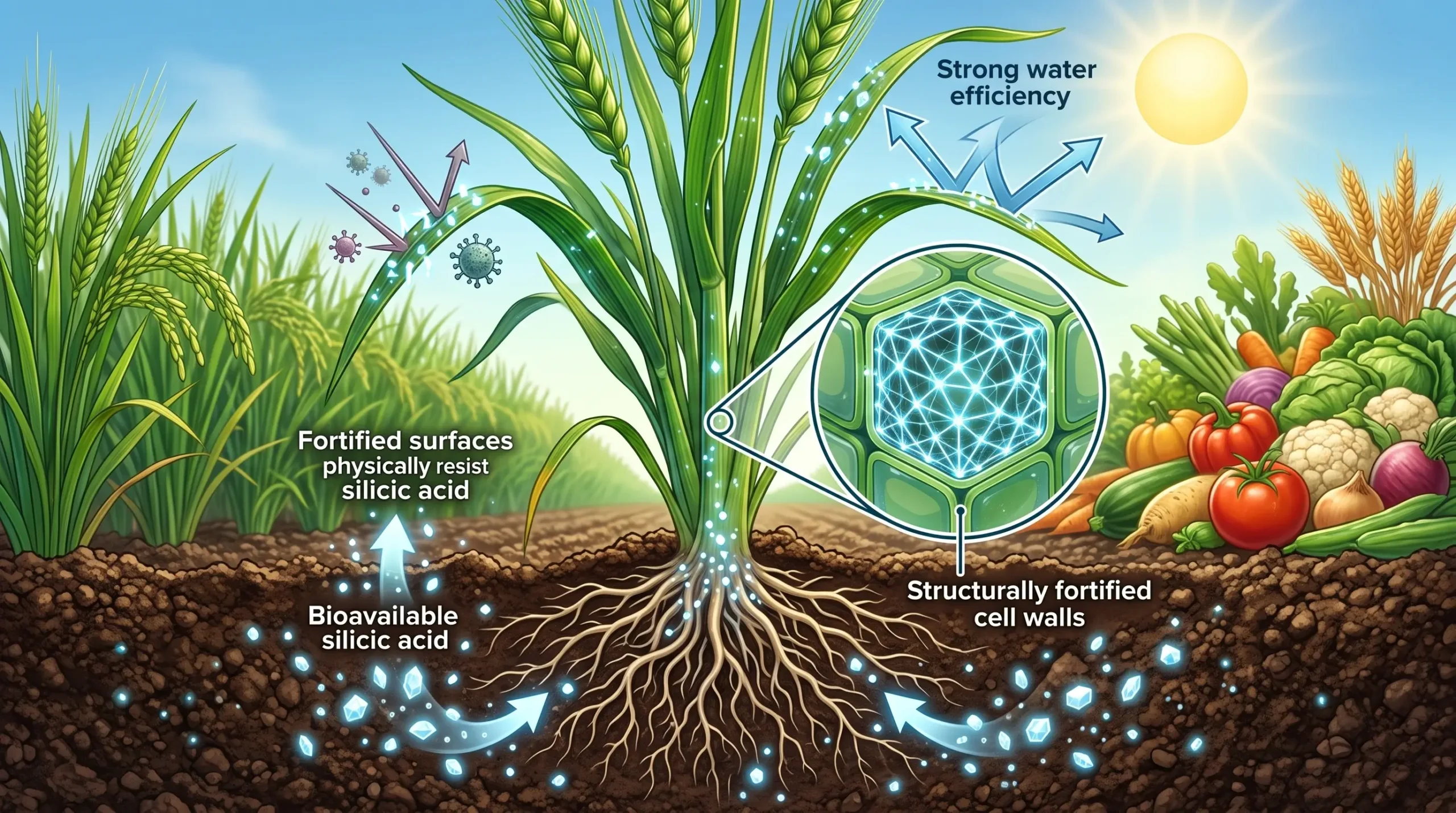
Silicon is not traditionally classified as an essential nutrient, but research indicates it contributes significantly to plant health. This element is absorbed by plants in the form of silicic acid and is deposited in the plant’s tissues. Silicon fortifies cell walls, enhancing structural integrity and providing physical resistance to pests and diseases. Studies suggest that plants with adequate silicon levels are better equipped to withstand biotic stressors like pathogens and pests, as well as abiotic stressors such as drought and heavy metal toxicity.
One of the most striking benefits of silicon in plant nutrition is its ability to improve a plant’s tolerance to environmental stress. Silicon-enhanced plants often show increased resilience to drought by reducing transpiration rates and maintaining water uptake efficiency. For crops under attack by pathogenic fungi, silicon’s role becomes even more critical, as it activates the plant’s natural defense mechanisms, making it a powerful ally in integrated pest management strategies.
How Silicon Enhances Crop Yield and Quality
The impact of silicon on crop yield and quality cannot be overstated. Numerous studies have shown that silicon supplementation can lead to a more robust plant architecture, resulting in improved light interception and photosynthetic efficiency. This ultimately translates into higher biomass production and potentially greater yields.
Furthermore, the quality of produce can be significantly enhanced with the right silicon levels. For instance, in rice and wheat, silicon has been observed to prevent lodging, a condition where stems weaken and collapse, which can severely impact yield. Silicon also improves the post-harvest longevity of fruits and vegetables by strengthening tissues, thereby reducing the susceptibility to bruising and disease during storage and transportation.
Application Techniques and Considerations
Incorporating silicon into plant nutrition requires understanding the appropriate application methods and timing. Silicon can be applied through various means, including soil amendments, foliar sprays, and fertigation systems. The choice of method largely depends on the crop type, soil conditions, and specific plant needs.
While silicon is abundant in the earth’s crust, not all silicon is available to plants. Therefore, it is crucial to ensure that the silicon used is in a bioavailable form. Agricultural products like silicon-rich fertilizers or natural sources like rice hull ash can be used to effectively supply silicon to crops.
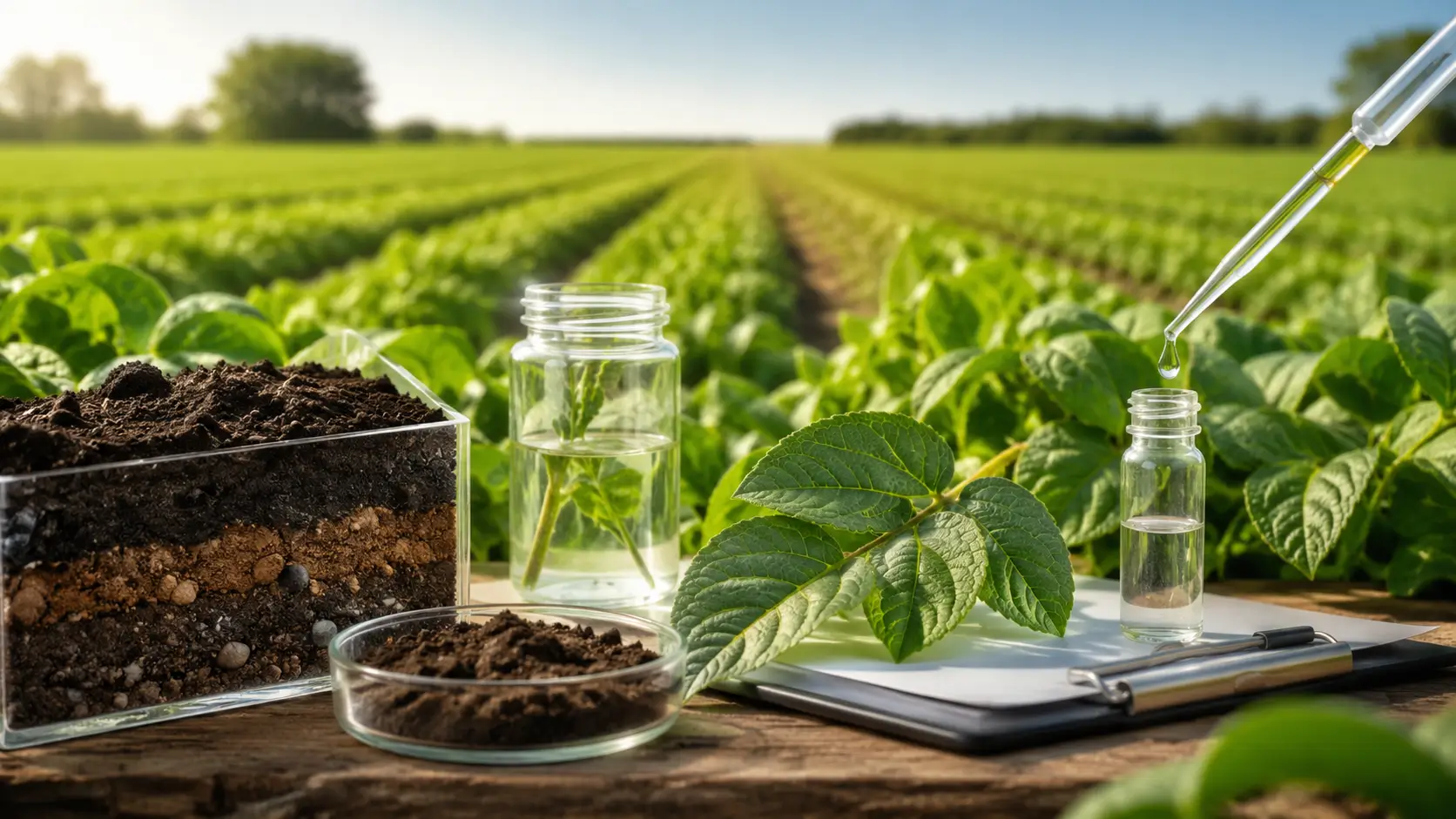
It is also important to consider the soil pH and organic matter content, as these factors influence the availability of silicon to plants. Regular soil testing and plant tissue analysis can help guide the appropriate supplementation of silicon, ensuring that plants receive the optimal amount for maximal benefit.
Conclusion
The role of silicon in plant nutrition is gaining recognition as research continues to unveil its numerous benefits. By enhancing stress tolerance, improving yield, and boosting crop quality, silicon proves to be a valuable component in modern agriculture. As a grower or agronomist, integrating silicon into your nutrient management plan could elevate your crop production and sustainability efforts. To learn more about how to effectively incorporate silicon into your farming practices, reach out to an agricultural expert or consult with your local extension service today.