Soil Analysis is Not Enough: The Critical Differences Between Leaf and Plant Sap Analysis
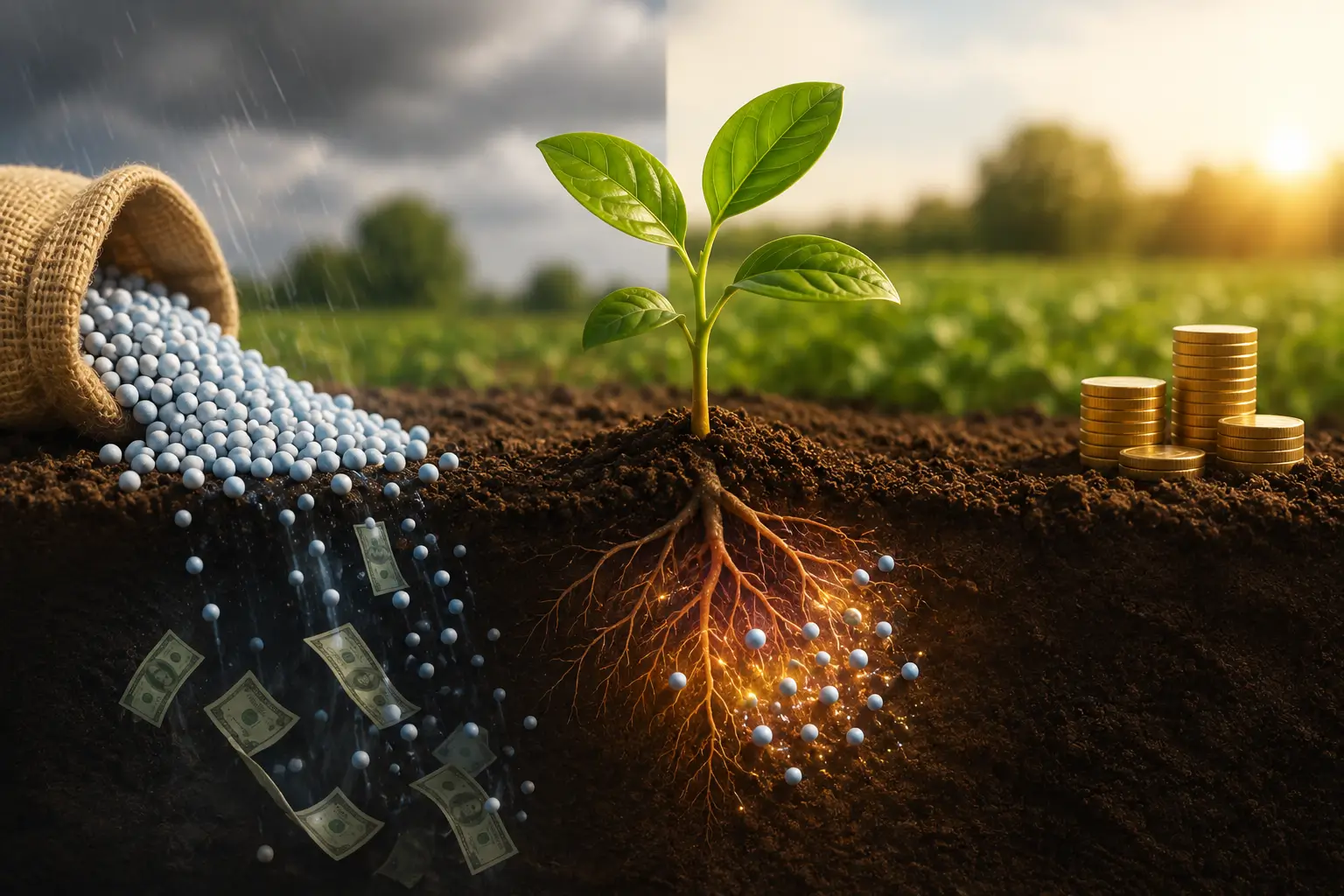
In the traditional approach to agricultural production, the first and often only scientific method farmers rely on is soil analysis. Samples taken from the soil are sent to a lab, missing elements are identified, and a fertilization program is created accordingly. However, in the field, we frequently witness that elements shown as “sufficient” in the lab report cause deficiency symptoms (chlorosis, necrosis) in the plant.
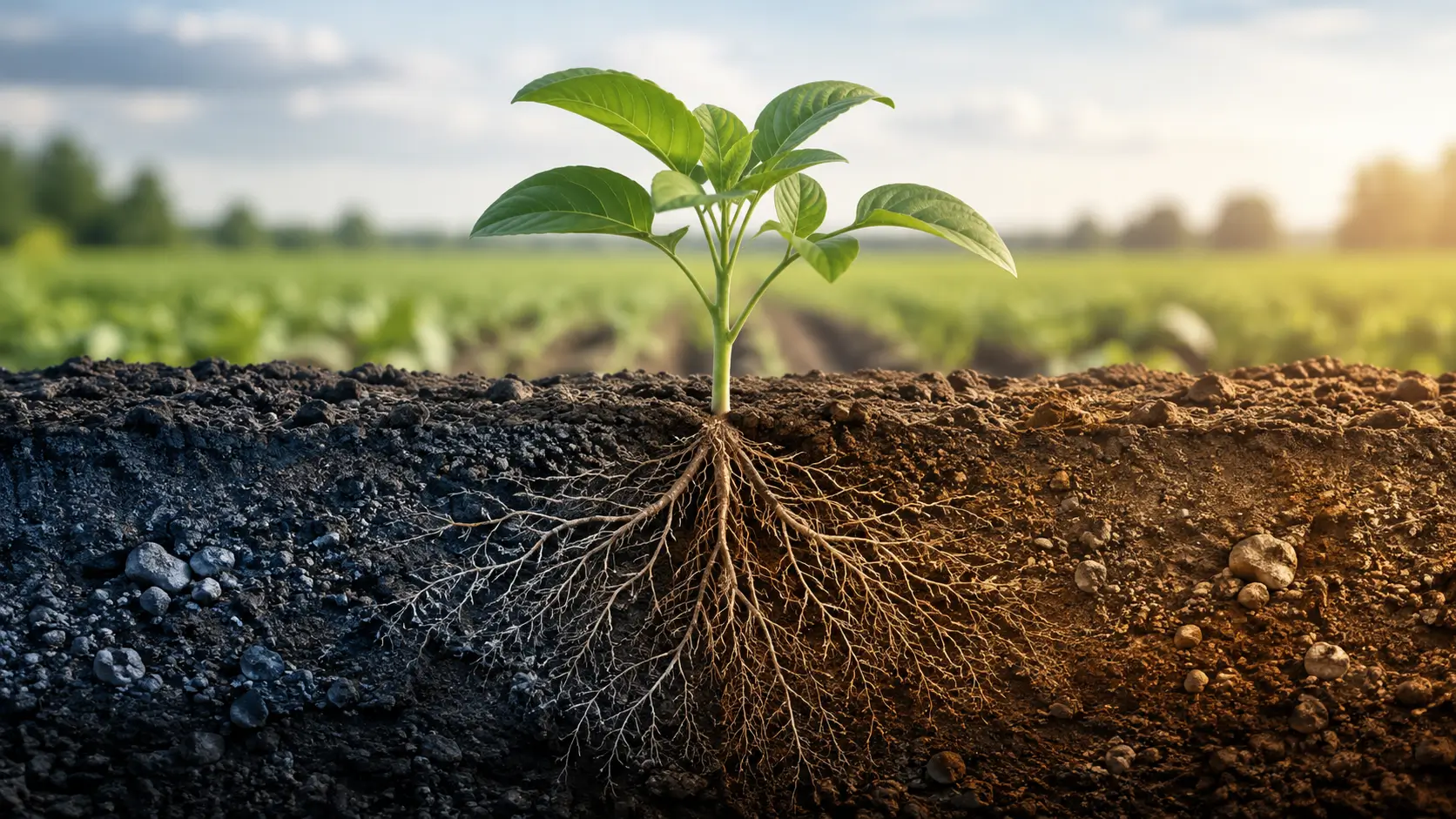
There is an immutable truth accepted in ecological farming and modern plant nutrition science: Soil analysis shows what is on the table, not what the plant actually ate. To understand whether the nutrients in the soil are truly taken up by the plant, and if so, whether they are transported to the right places within the plant, we need to ask the plant itself. At this point, two advanced diagnostic methods come into play: Leaf (Tissue) Analysis and Plant Sap Analysis.
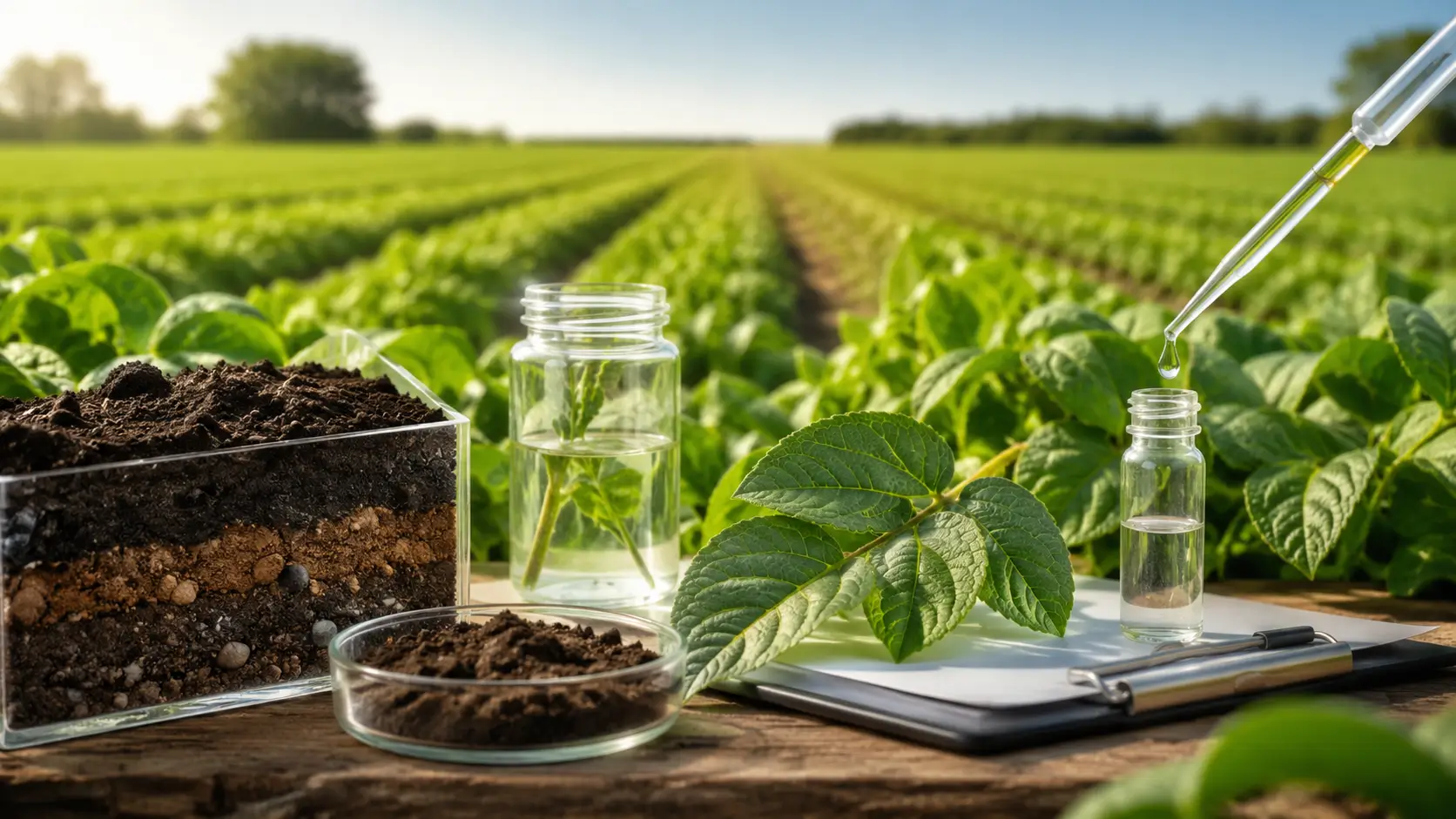
In this article, we take a deep dive into the differences between these three analysis methods and how they complement each other, taking your fertilization strategy from blind guesswork to millimeter precision.
1. The Limits of Soil Analysis: “It’s on the Menu, But Did It Reach the Table?”
Soil analysis is the cornerstone of agricultural planning and must absolutely be done. However, when used alone, it can be misleading. Soil analysis provides a chemical and physical inventory of the soil; it shows the soil’s potential nutrient reservoir.
-
The Availability Problem: Lab results might show tons of iron or phosphorus in your soil. But if your soil’s pH is too high (alkaline) or too low (acidic), these elements bind tightly to soil particles (lock-up) and cannot be absorbed in liquid form by plant roots.
-
The Impact of Environmental Factors: Soil temperature, moisture, and microbial activity directly affect nutrient uptake. In a cold and overly rainy spring, even if there is enough phosphorus in the soil, the plant enters a phosphorus crisis because the roots aren’t actively working. Soil analysis cannot tell you about these immediate crises.
-
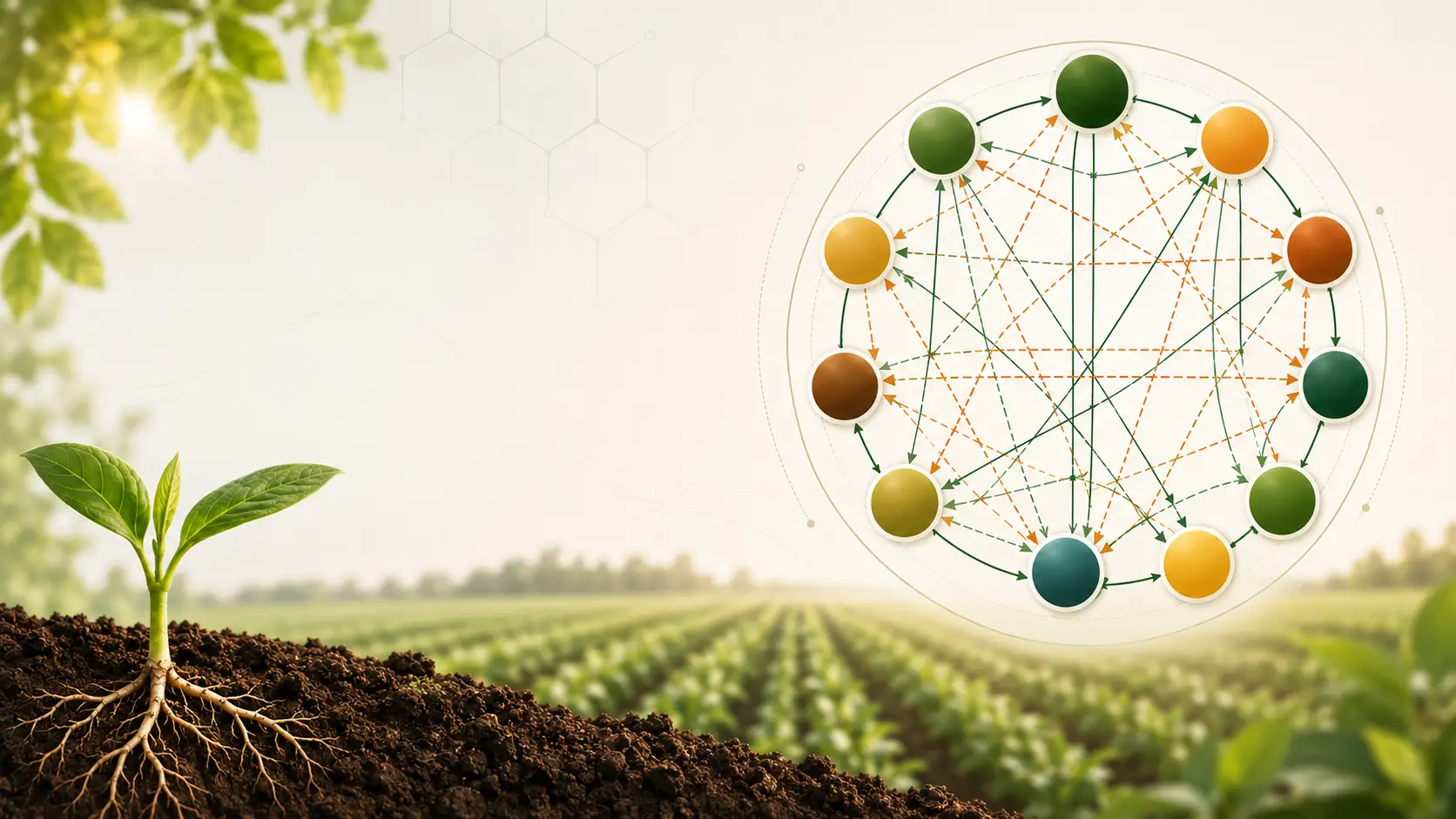
Antagonism Blindness: According to the principles of Mulder’s Chart discussed in our previous articles, if there is excessive potassium in the soil, magnesium uptake stops. A soil test might say both elements are “high,” but it cannot directly show that magnesium is being blocked by potassium (antagonism).
2. Leaf (Tissue) Analysis: The Post-Mortem of the Past
The first method developed to close the gaps in soil analysis was leaf analysis. In the lab, the leaf is dried, incinerated, and the total amount of mineral matter inside is measured.
-
A Tool for Confirming Success: Leaf analysis shows how much of the elements present in the soil were successfully absorbed by the roots and incorporated into the plant’s structure. It is the clearest answer to the question, “What was the plant able to get from the soil?”
-
A Lagging Indicator (Historical Record): The biggest disadvantage of leaf analysis is that it tells you about the past. It takes weeks for minerals to accumulate enough in the leaf tissue to be measured. If you see a magnesium or zinc deficiency in a leaf analysis, it means the plant started experiencing this stress weeks ago, photosynthesis has slowed down, and yield loss has already occurred.
-
The Confusion of Structural vs. Active Elements: In leaf analysis, it is impossible to distinguish between calcium that has been incorporated into cell walls as a building block (and can no longer be used) and active calcium flowing freely in the cell sap. Even if you see a high total amount, the plant might not have any active form of the element left to use for new shoots.
3. Plant Sap Analysis: A Real-Time Blood Test
Plant Sap Analysis, which has revolutionized agricultural technology in recent years, has completely changed the rules of the game in plant nutrition. In this method, leaves are not dried and burned; just like taking blood from a human, the plant sap (xylem and phloem fluids) in the petioles is pressed out, and this liquid is analyzed directly.
-
Instant and Dynamic Measurement: Sap analysis shows what is circulating in the plant’s veins on that very day, at that very hour. This is a real-time blood test that measures the active transport (mobility) of elements from the soil to the leaves, and from the leaves to the fruits.
-
Early Warning System (Diagnosing Hidden Hunger): Its biggest advantage is being predictive. When a plant enters a nutrient crisis, this deficiency can be detected in sap analysis 2 to 4 weeks before visual symptoms (yellowing) appear. This provides the opportunity for immediate foliar intervention before yield loss occurs.
-
Comparing Old and New Leaves: In sap analysis, the older leaves at the bottom of the plant and the younger leaves at the top are usually analyzed separately. When a plant is stressed, it scavenges mobile elements like potassium and nitrogen from older leaves and moves them to young leaves (growing points). Seeing a sudden drop in older leaves in a sap analysis is a perfect early warning that means, “The plant has started to consume itself, apply fertilizer urgently!”
4. Flawless Triple Integration in Ecological Farming
Achieving the highest yield, quality, and disease resistance in ecological farming is possible by using these three analyses in an integrated manner at the right times.
-
Winter and Early Spring (Laying the Foundation): Soil Analysis is done before the season starts. Its purpose is to adjust the soil’s base cation saturation (Calcium/Magnesium balance), determine the organic matter requirement, and map out the long-term compost/rock dust strategy.
-
Active Growing Season (Steering the Wheel): During the critical weeks when the plant is growing rapidly, flowering, and setting fruit, Sap Analysis is conducted every 15-20 days. This allows you to foresee immediate stresses the plant will experience due to cold weather, excessive rain, or sudden lock-ups. Deficiencies are corrected precisely with minimum doses of ecological foliar fertilizers. Luxury consumption is prevented.
-
End of Season or Troubleshooting (Performance Audit): The Leaf (Tissue) Analysis done in the middle or end of the season provides proof of how successful all these strategies you applied have been on an annual basis. It offers the most reliable historical data for next year’s strategy.
In short; soil analysis measures your pantry, leaf analysis measures the total calories of the meal you ate, and sap analysis measures your current blood sugar. You need all three for sustainable and profitable farming.