What is Luxury Consumption? The Scientific Name for Unnecessary Fertilizer Expense
In ecological farming and general plant nutrition science, it is frequently emphasized that using more fertilizer does not always result in higher yields. However, there is a very specific and scientific mechanism behind this reality: Luxury Consumption.
The phenomenon where tons of fertilizer, dumped into the soil by farmers wanting their plants to be “better fed,” is merely “hoarded” by the plant without contributing to yield is one of the biggest black holes in agricultural economics. In this article, we examine the concept of luxury consumption—the scientific name for unnecessary fertilizer expense—its causes, and its devastating effects in ecological farming.
1. The Concept and Mechanism of Luxury Consumption
Plants require a specific amount of nutrient elements to survive and reach their genetic potential. However, the behavioral pattern plants exhibit when there is an excess of these elements in the environment defines luxury consumption.
-
Exceeding the Physiological Limit: Luxury consumption is the condition where a plant continues to absorb nutrient elements (especially potassium) well beyond the amount required to reach its maximum growth and yield potential.
-
The Yield and Concentration Curve: There is a “Critical Level” in scientific plant nutrition curves. Fertilizer applied up to this level increases the plant’s dry matter and yield. Once this critical level is surpassed, the mineral concentration in plant tissues continues to rise, but there is absolutely no increase in the amount of harvestable product (yield). The curve flattens out.
-
The Hoarding Syndrome: Plants are evolutionarily programmed to prepare for periods of scarcity. When they find abundant ready and dissolved nutrients in the root zone (especially in the form of synthetic fertilizers), they store them in cell vacuoles even if they don’t need them.
2. Why is it Especially Common with Potassium (K)?
Not all nutrient elements are susceptible to luxury consumption; plants strictly control the uptake of some elements. However, the first and most aggressive element that comes to mind when discussing luxury consumption is Potassium (K).
-
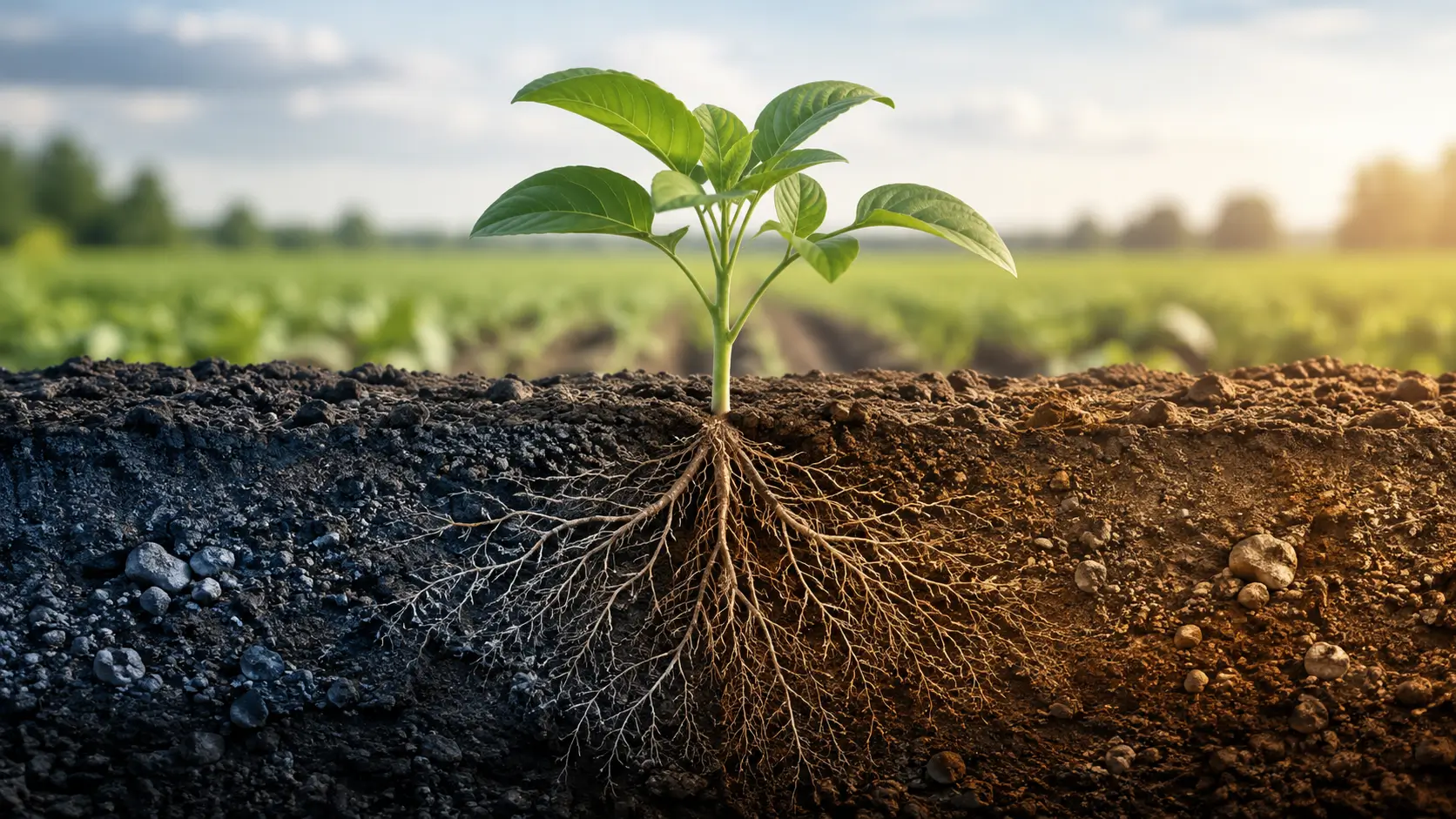
Rapid and Aggressive Absorption Characteristics: Potassium ions (K+) are absorbed very quickly by plant roots due to their small hydrated radii and high mobility. The plant literally acts like a sponge for potassium in the environment and cannot brake its uptake mechanism.
-
The Illusion of Non-Toxicity: An excess of elements like nitrogen or boron rapidly poisons the plant and burns its tissues. Potassium, on the other hand, does not show direct signs of toxic poisoning (such as burning) even if it accumulates excessively in plant tissues. This makes it difficult for the farmer to notice the problem visually, leading to the misconception that “potassium causes no harm.”
-
Cell Sap Pressure (Turgor): Plants use potassium to regulate the water balance within the cell. In a heavily fertilized environment, the plant continuously pumps potassium into its cells, increasing its turgidity (swelling), but this does not mean the plant is structurally stronger.
3. The Ecological and Economic Dimensions of Luxury Consumption
Luxury consumption is not merely an issue of plant physiology; it is also a massive problem threatening the profitability of agricultural enterprises and the sustainability of the soil.
-
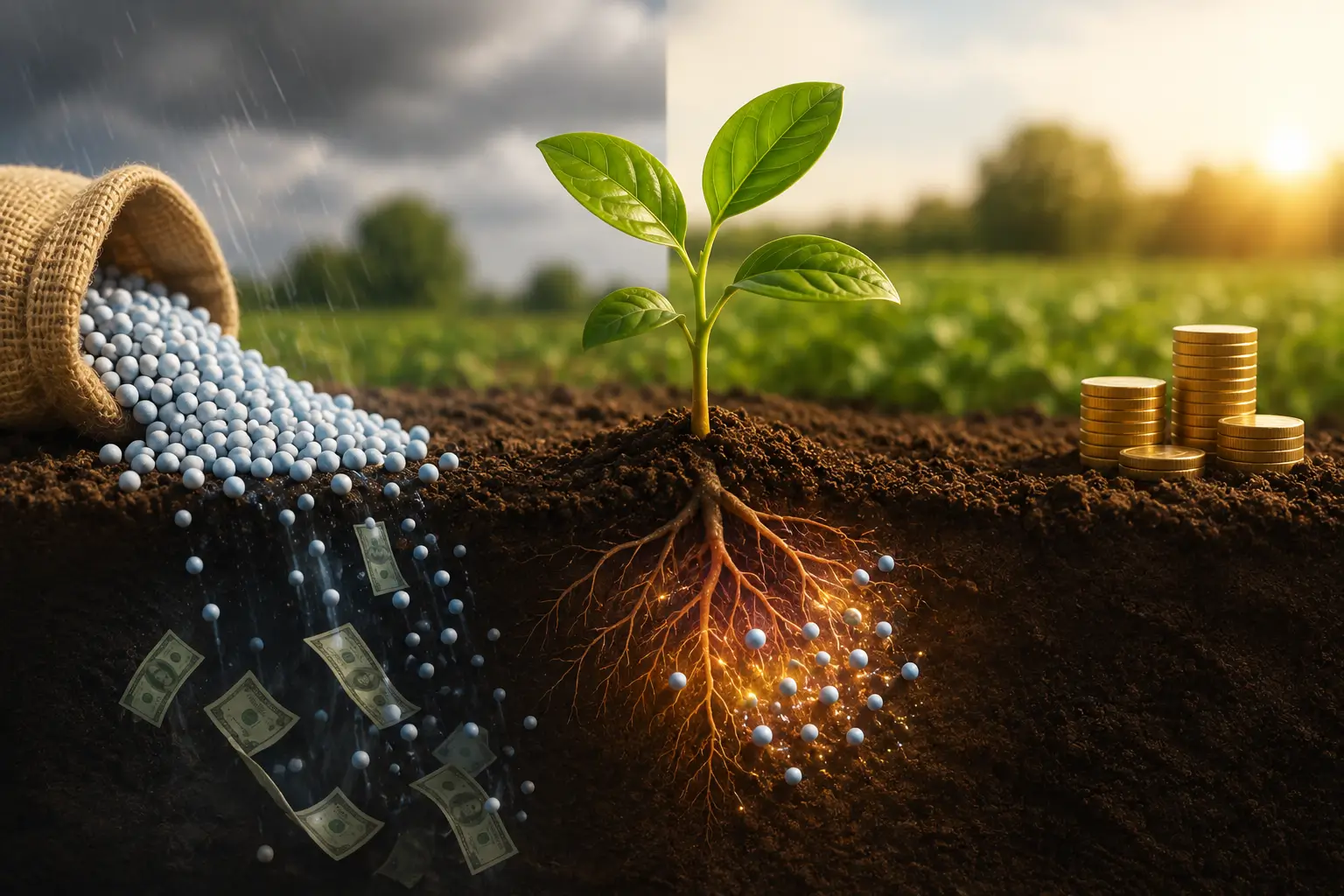
Capital Buried in the Soil: Every gram of potassium that accumulates in plant tissues without providing a yield increase is money out of the farmer’s pocket and into the trash. Luxury consumption is literally the squandering of the fertilizer budget.
-
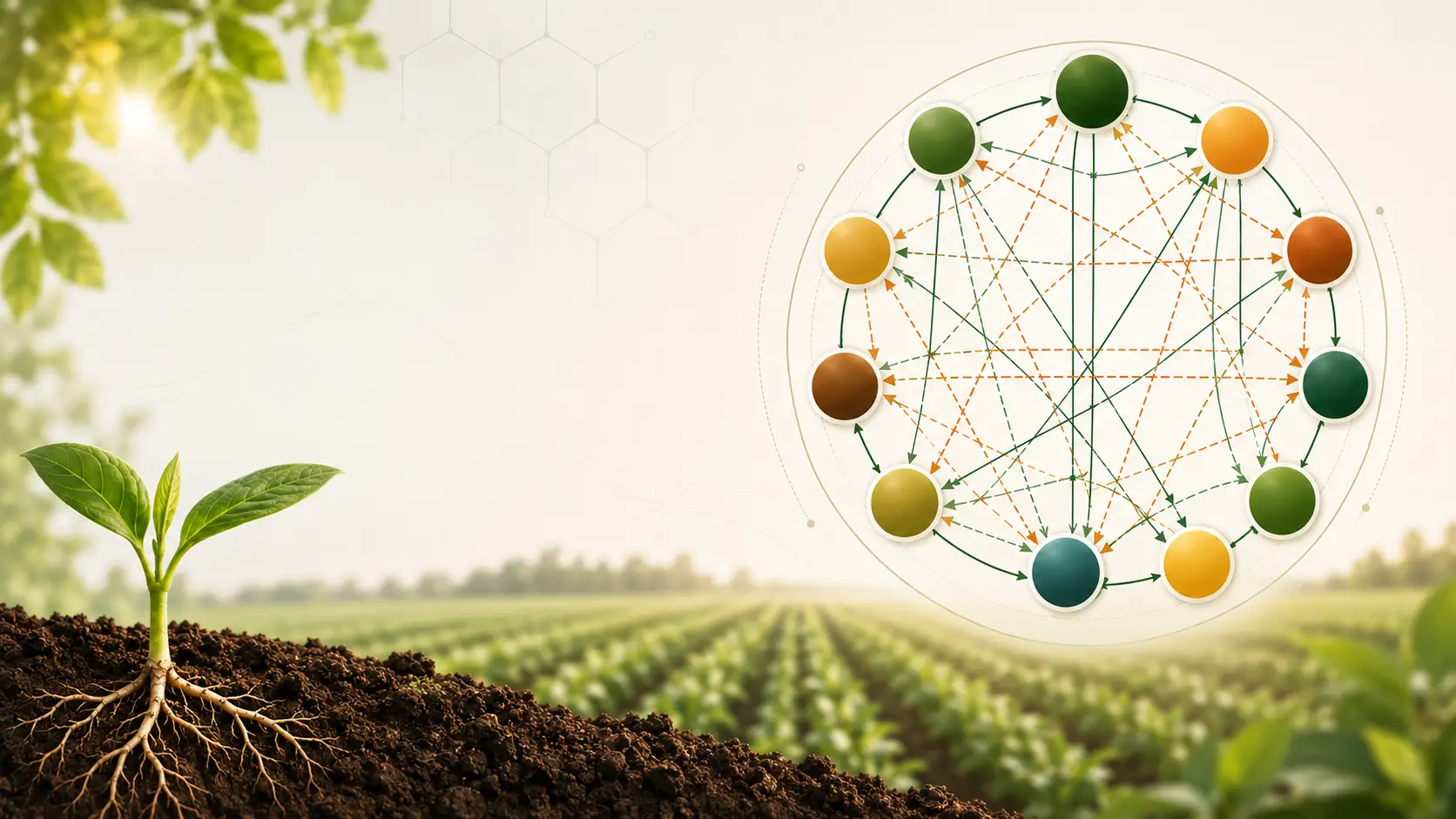
Triggering the Antagonism Crisis: The antagonism mechanism, which we examined in our previous articles, is the most destructive consequence of luxury consumption. While the plant unnecessarily stores potassium, it occupies the uptake gates on the cell membranes. This halts the absorption of other vital elements like magnesium (Mg) and calcium (Ca). In other words, luxury consumption leads to a chain reaction of deficiencies in other elements.
-
Susceptibility to Diseases and Pests: Plants that have accumulated excess water and potassium in their cells but are deficient in calcium develop weak cell walls. These tissues become much more exposed and vulnerable to fungal infections and sucking insects.
4. Strategies to Prevent Luxury Consumption in Ecological Farming
The way to prevent this waste and imbalance is to break the “more is better” habit and focus on the real-time needs of the soil and the plant.
-
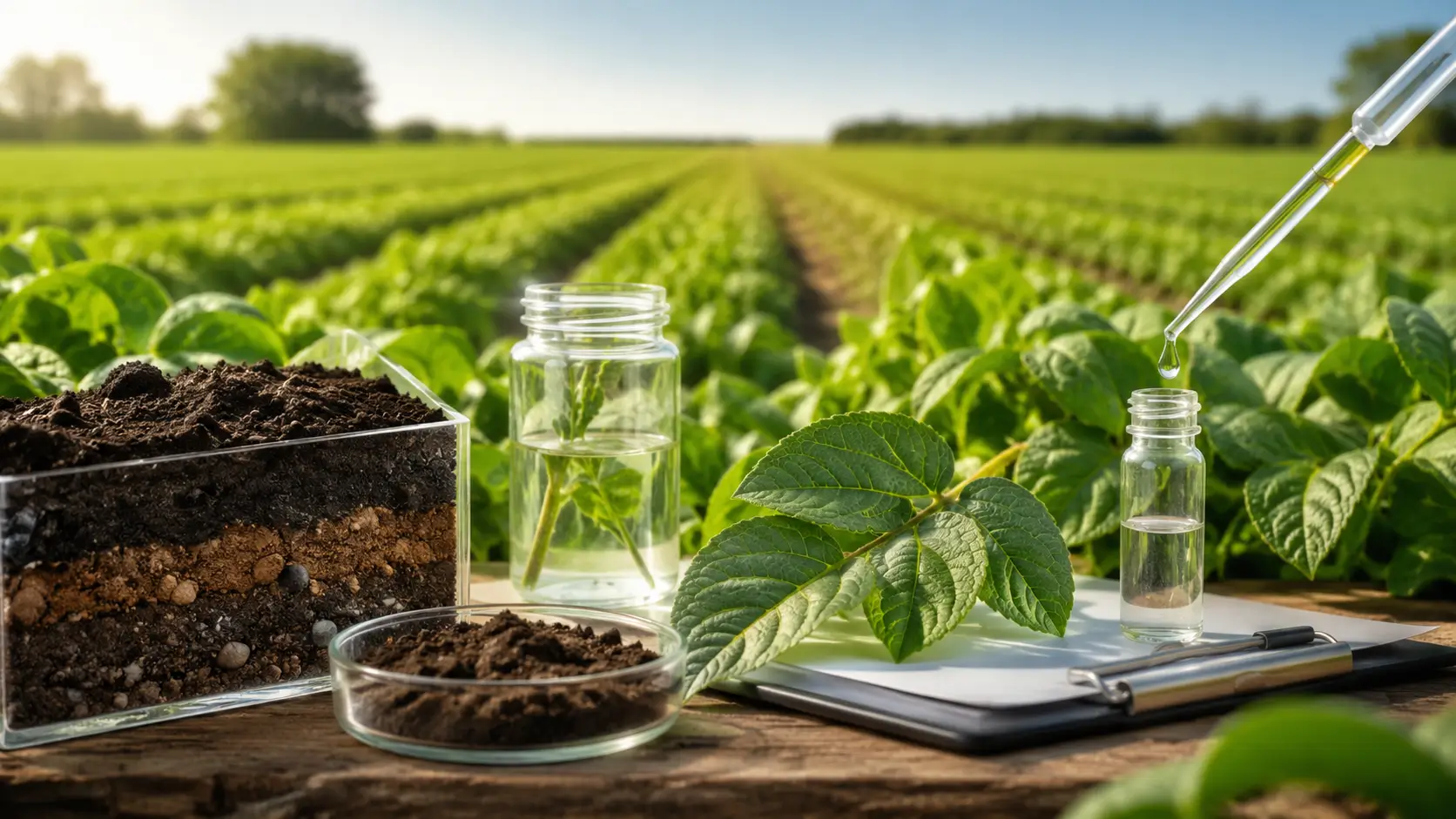
Integration of Regular Soil and Leaf Analysis: Fertilization programs must be based on numbers, not assumptions. Soil analysis is essential to see the accumulation in the soil, while leaf analysis is required to see the plant’s actual current nutritional status and potential luxury consumption.
-
Split (Divided) Fertilization Applications: Applying the entire annual fertilizer requirement to the soil all at once at the beginning of the season is the biggest invitation to luxury consumption. In ecological farming, nutrients should be divided according to the plant’s phenological periods (developmental stages) and applied in small doses as needed.
-
The Buffering Effect of Organic Matter: While synthetic, highly soluble chemical fertilizers instantly trigger luxury consumption, organic materials like compost, leonardite, and green manure release nutrients into the soil slowly. The rich organic structure of the soil holds the nutrients, allowing the plant to take them as needed, thereby preventing gluttony (luxury consumption).