The Relationship Between Fertilizer Applications and Plant Growth
Fertilizer applications are vital for improving plant health and productivity in agricultural production. Fertilizers provide the nutrients that plants need, supporting their healthy growth and development. This article will discuss the relationship between fertilizer applications and plant growth, proper fertilization techniques, and key points to consider for optimizing plant development.
Effects of Fertilizers on Plant Growth
Providing Nutrients:
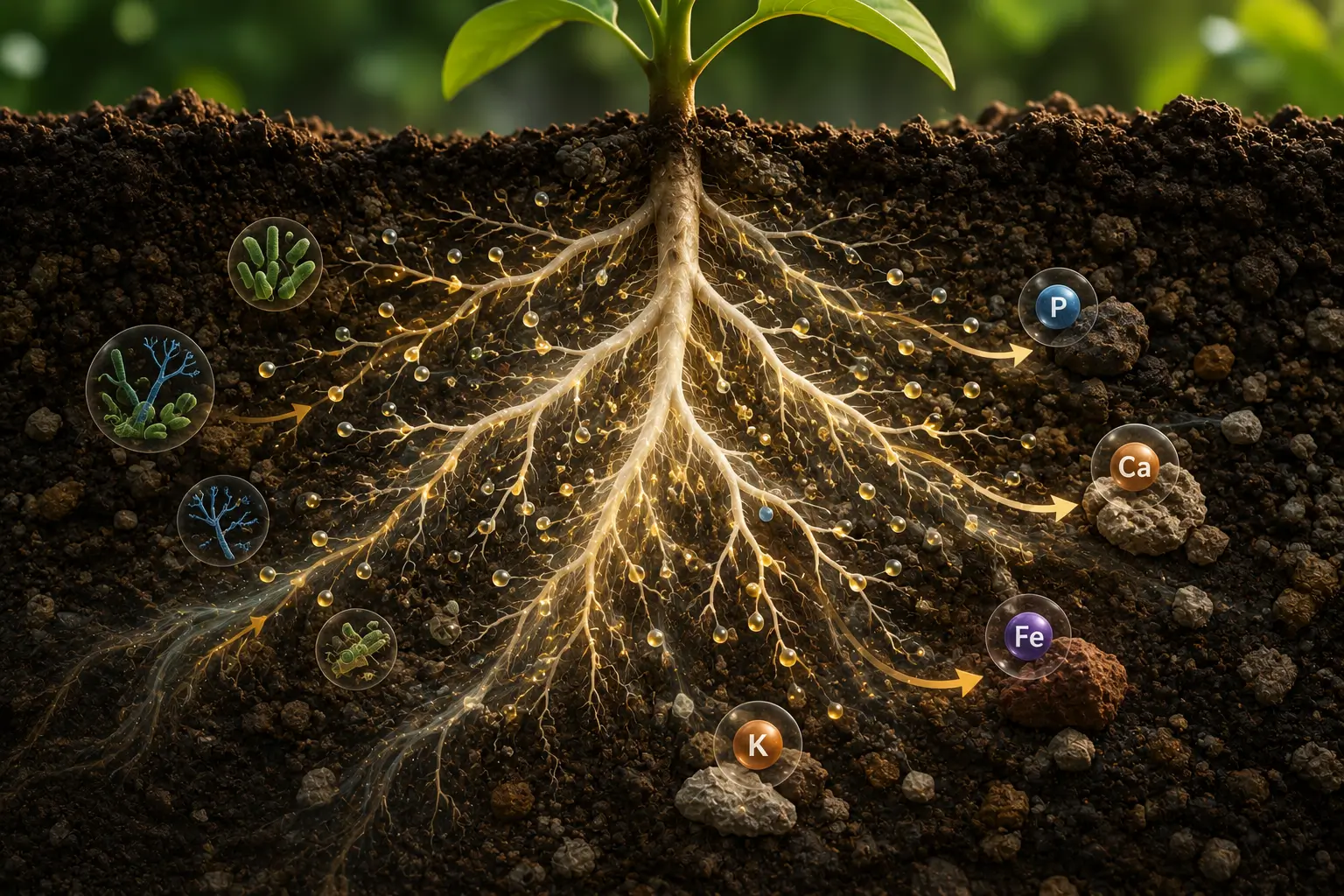
Plants require specific nutrients for growth and development. Macronutrients (nitrogen, phosphorus, potassium) and micronutrients (zinc, iron, manganese, copper) are essential for healthy plant growth. Fertilizers supply these nutrients, supporting plant metabolism.
Photosynthesis and Energy Production:
Nitrogen plays a critical role in chlorophyll formation and photosynthesis in plants. Fertilizers provide nitrogen, increasing photosynthetic capacity and supporting energy production in plants.
Root Development and Water Uptake:
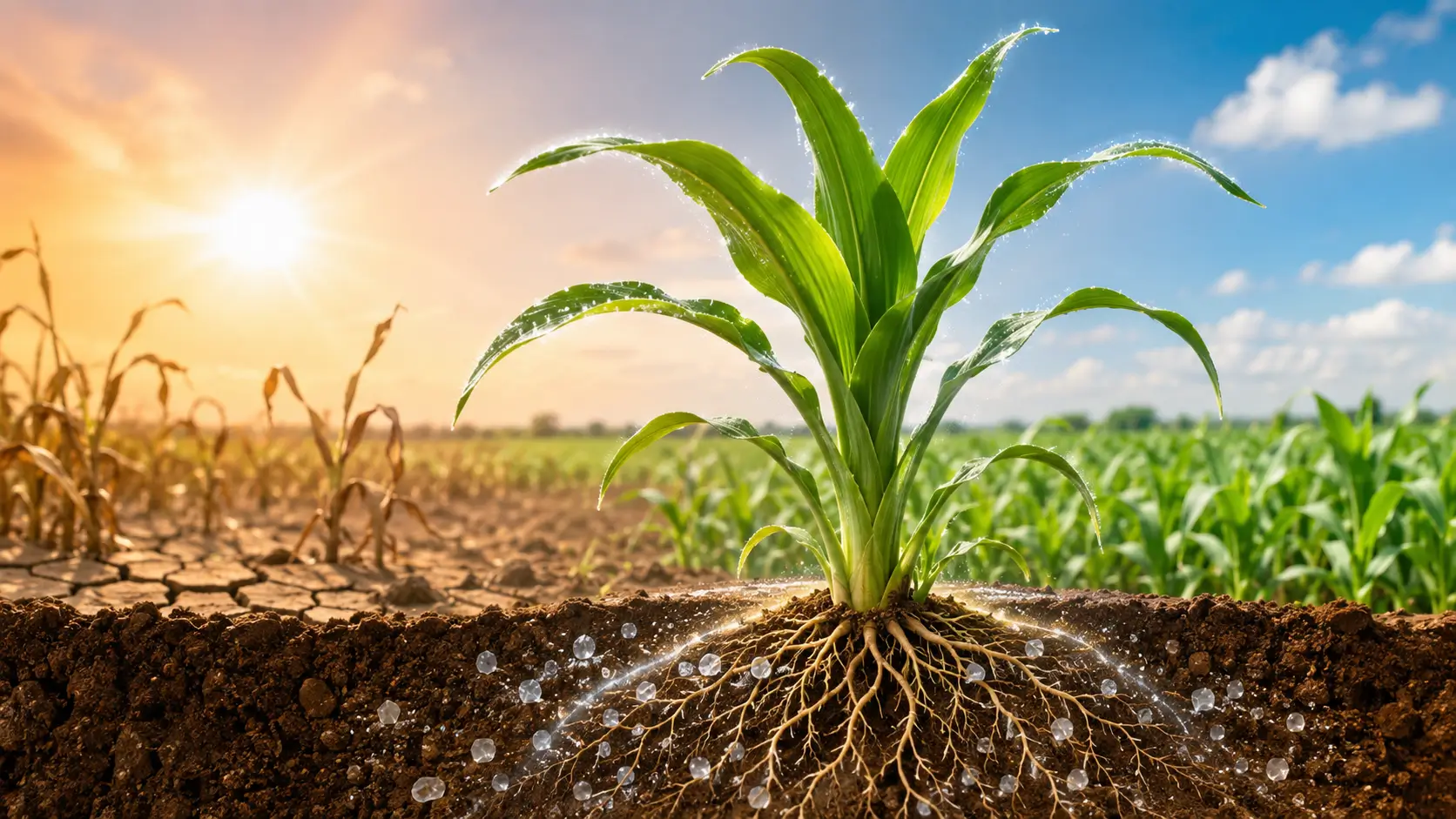
Phosphorus promotes root development and enhances water uptake in plants. Fertilizers supply phosphorus, supporting the formation of strong root systems and increasing plants’ resistance to water stress.
Flowering and Fruit Production:
Potassium plays a critical role during the flowering and fruiting stages of plants. Potassium is effective in cell wall formation, regulating water balance, and providing resistance to diseases.
Proper Fertilization Techniques
Soil Analysis:
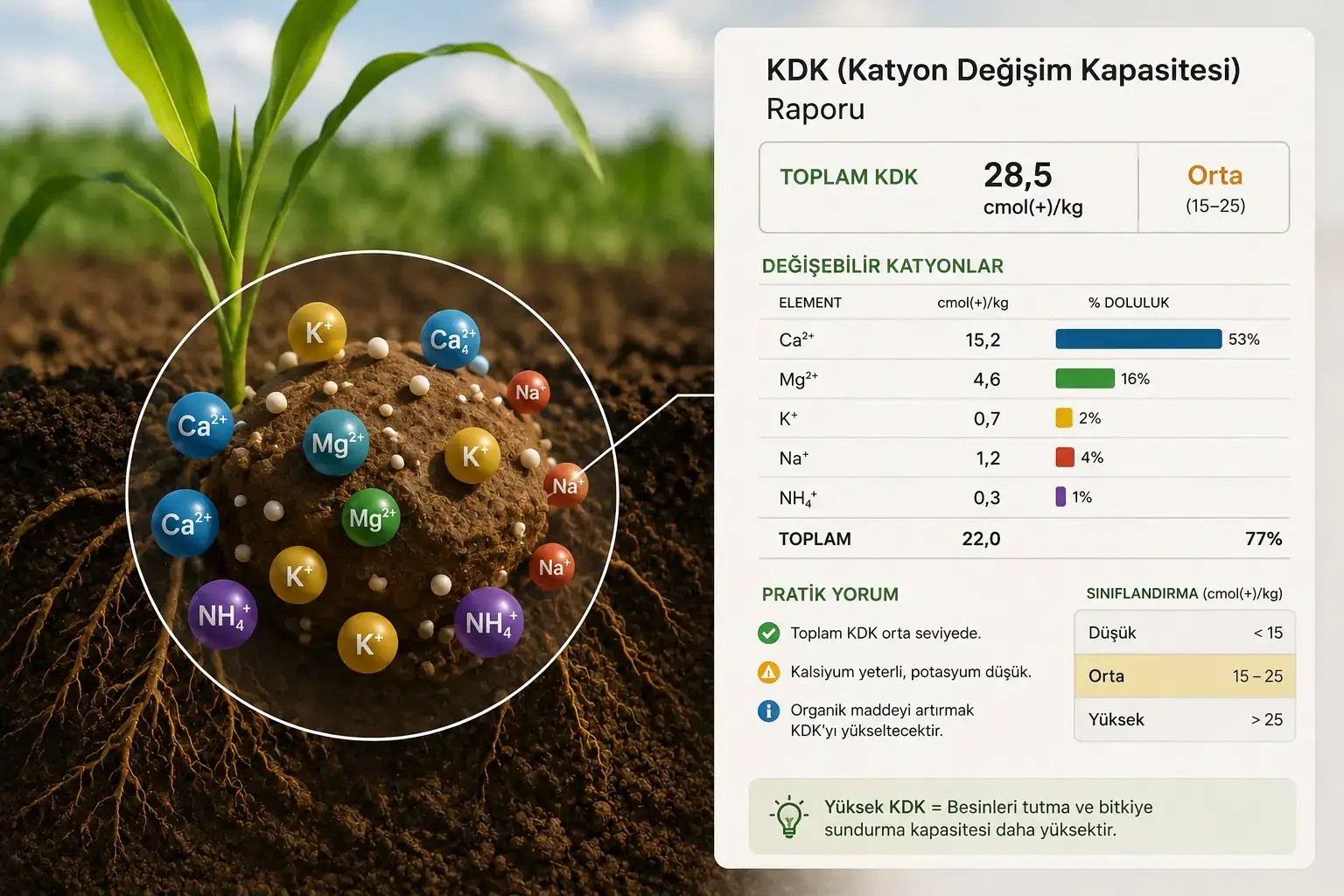
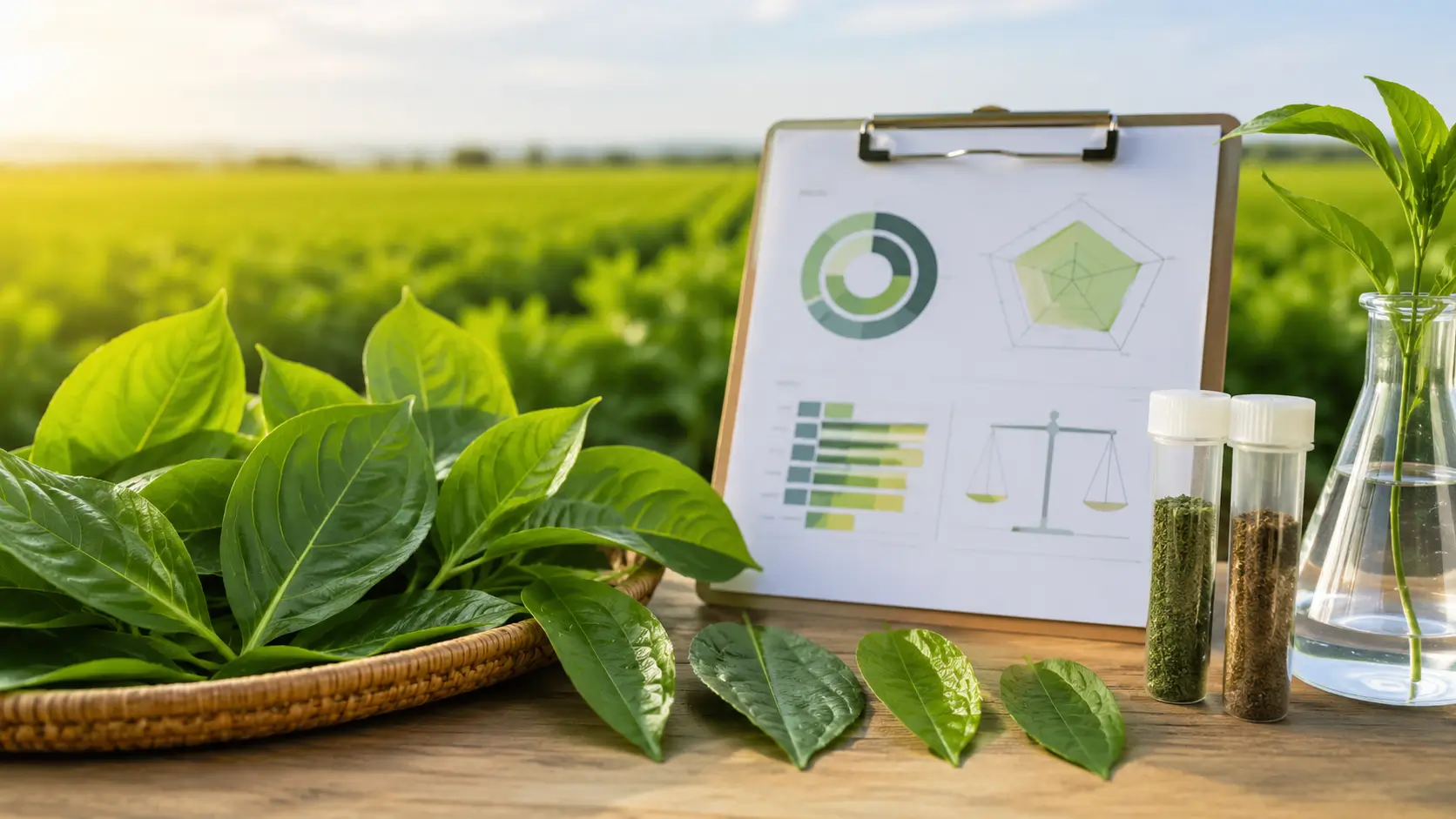
Before starting a fertilization program, it is important to conduct soil tests to determine the current nutrient levels, pH value, and other key properties of the soil. These analyses indicate which nutrients are deficient and which fertilizers should be used.
Application Timing:
Applying fertilizers at the right times ensures that plants absorb nutrients most efficiently. Nitrogen-based fertilizers should be used at the beginning of the growing season, while phosphorus- and potassium-based fertilizers should be applied during flowering and fruiting periods.
Correct Dosage and Method:
Applying fertilizers in the appropriate dosage and using the correct method ensures that plants effectively absorb nutrients. Over-fertilization can harm plants and cause environmental pollution. Fertilization methods include surface application, fertigation, and foliar spraying.
Tips for Optimizing Plant Growth
Choosing Fertilizers Based on Plant Type:
Different plant types have different nutrient requirements. Fertilizer selection should be based on the specific nutrient needs of different plant groups, such as leafy vegetables, fruit trees, grains, or root crops.
Split Application:
Instead of applying fertilizers all at once, it is more effective to apply them gradually throughout the growing season. Split application ensures that plants have continuous access to nutrients and reduces nutrient loss.
Balanced Use of Organic and Inorganic Fertilizers:
Organic fertilizers improve soil structure and increase microbial activity, while inorganic fertilizers provide rapid nutrient uptake for plants. Balancing the two is important for maintaining soil health.
Integration with Irrigation:
Using fertilizers in conjunction with irrigation systems ensures that nutrients effectively reach plant roots. Fertilizers integrated with drip or sprinkler irrigation systems support the optimal use of water and nutrients.
Long-Term Effects of Fertilization
Soil Fertility:
Regular and proper fertilization increases soil fertility and supports sustainable agricultural practices in the long term. Maintaining soil fertility ensures the continuity of healthy agricultural lands for future generations.
Biological Diversity:
Organic fertilizers and biological fertilization methods increase biological diversity in the soil and create a healthy ecosystem. This enhances plants’ resistance to diseases and makes agricultural production more sustainable.
Conclusion
Fertilizer applications play a critical role in improving plant health and productivity. By using proper fertilization techniques and strategies, the nutrients that plants need can be provided most efficiently. Therefore, soil testing, proper timing, appropriate dosage, and methods are essential for optimizing plant growth. Additionally, organic fertilizers and biological fertilization methods should be preferred to maintain long-term soil fertility and increase biological diversity. This will help farmers understand the relationship between fertilizer applications and plant growth and develop successful agricultural practices.