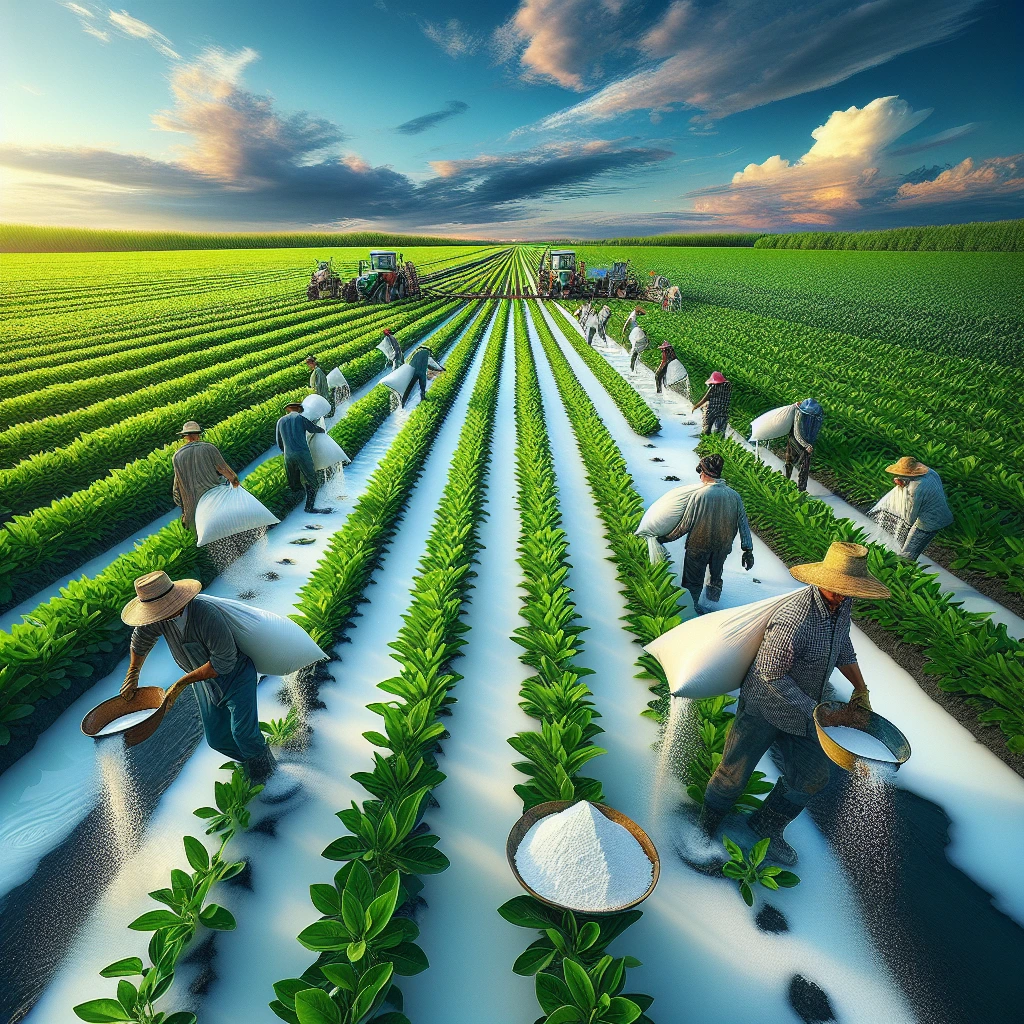
The Future of Fertilizer Use in Agricultural Production
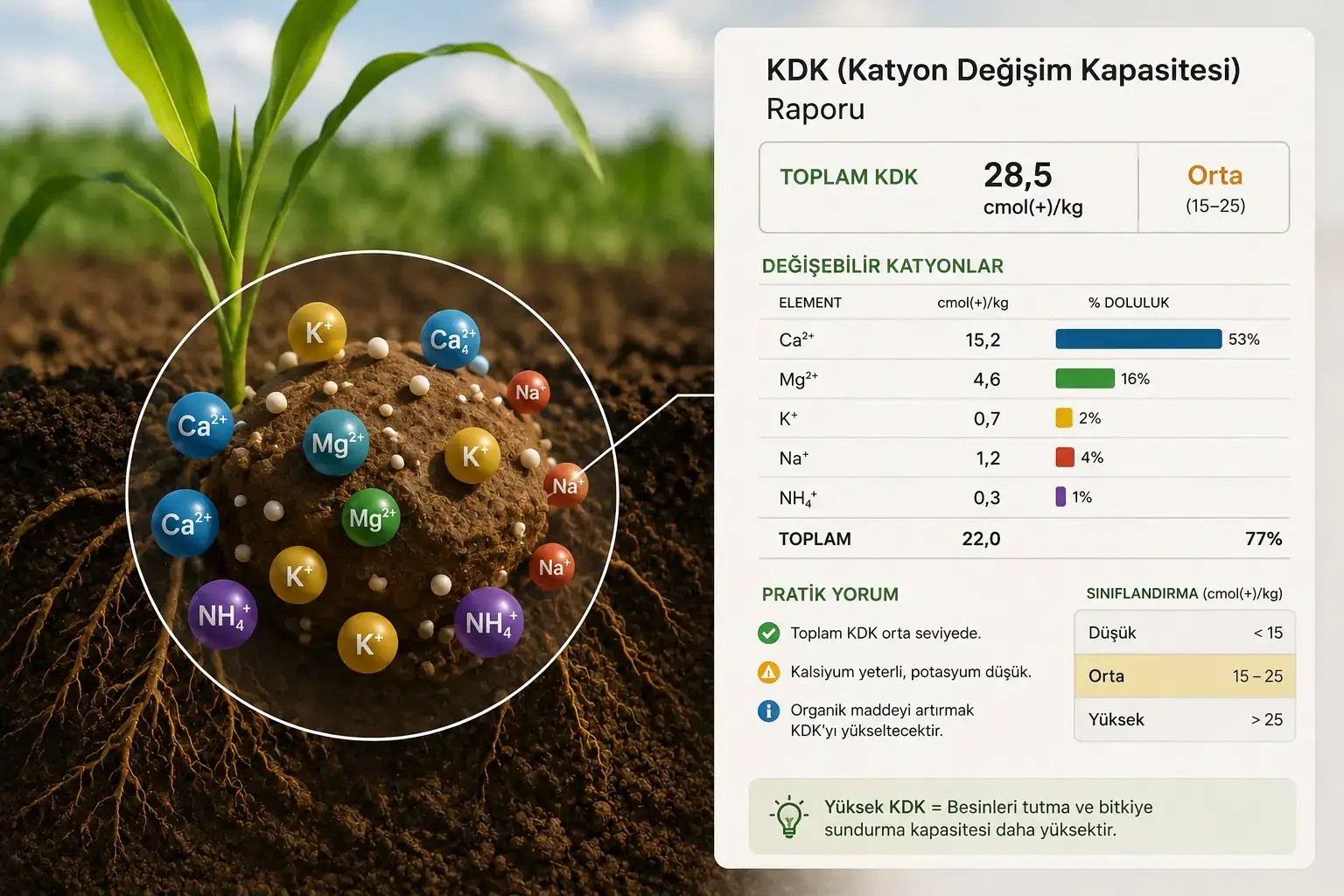
Fertilizer use is vital for the healthy growth of plants and achieving high yields. However, traditional fertilization methods can lead to environmental and economic problems. The future of fertilizer use in agricultural production will be shaped by sustainable and innovative solutions. This article discusses the future of fertilization, sustainable fertilization methods, and technological innovations.
Sustainable Fertilization Methods
Organic Fertilizers:
- Compost and Animal Manure: Organic fertilizers enhance microbial activity in the soil and improve soil structure. Compost and animal manure, obtained by recycling organic waste, support environmental sustainability.
- Green Manure: Green manuring provides organic matter and nutrients by incorporating cover crops into the soil. This method reduces soil erosion and increases the soil’s water retention capacity.
Biological Fertilizers:
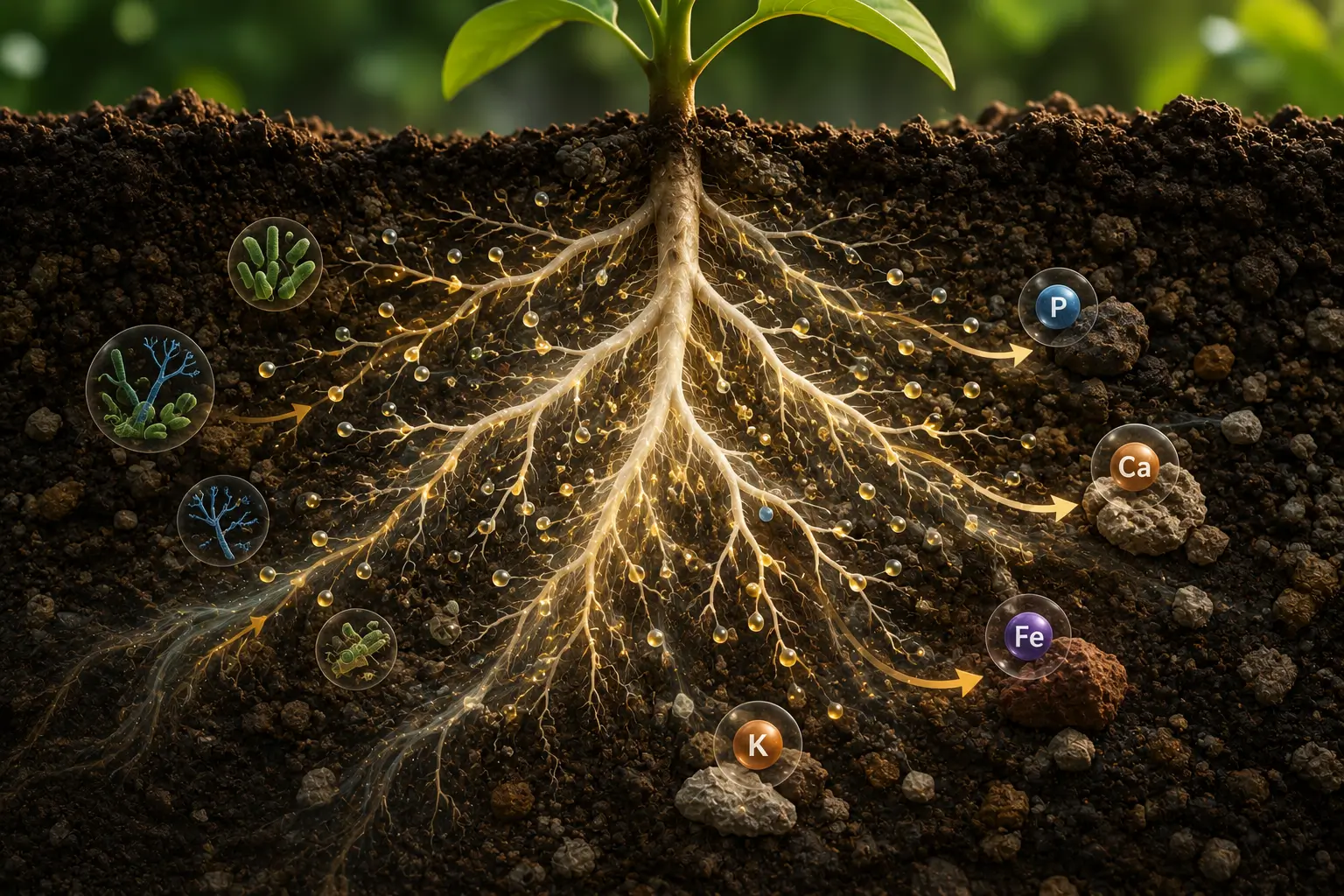
- Microbial Inoculants: Beneficial microorganisms (mycorrhizal fungi and rhizobacteria) that form symbiotic relationships with plant roots can enhance nutrient uptake. This reduces the need for chemical fertilizers and minimizes environmental impact.
Nitrogen Fixation:
- Legumes and Nitrogen Fixation: Legumes fix atmospheric nitrogen into the soil. Planting legumes reduces the need for chemical nitrogen fertilizers and improves soil health.
Technological Innovations
Precision Agriculture Technologies:
- GPS and Drones: Precision agriculture technologies ensure the accurate and timely application of fertilizers. GPS-based equipment and drones enable precise mapping of agricultural fields and optimization of fertilizer applications.
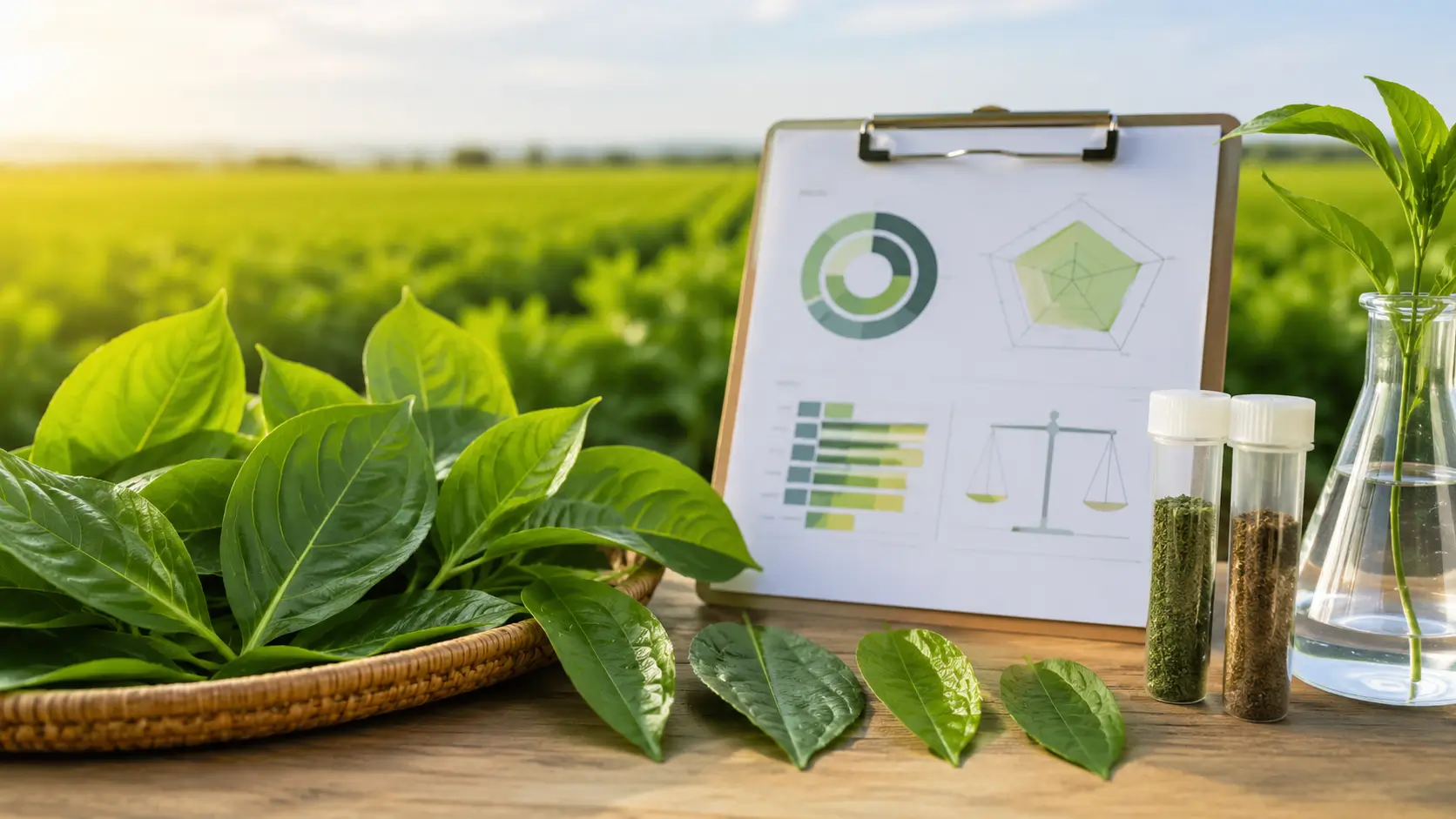
- Sensors and Data Analytics: Soil sensors continuously monitor moisture, pH, and nutrient levels, allowing for accurate adjustment of fertilization programs. Data analytics helps make more informed decisions by analyzing collected data.
Slow-Release and Controlled-Release Fertilizers:
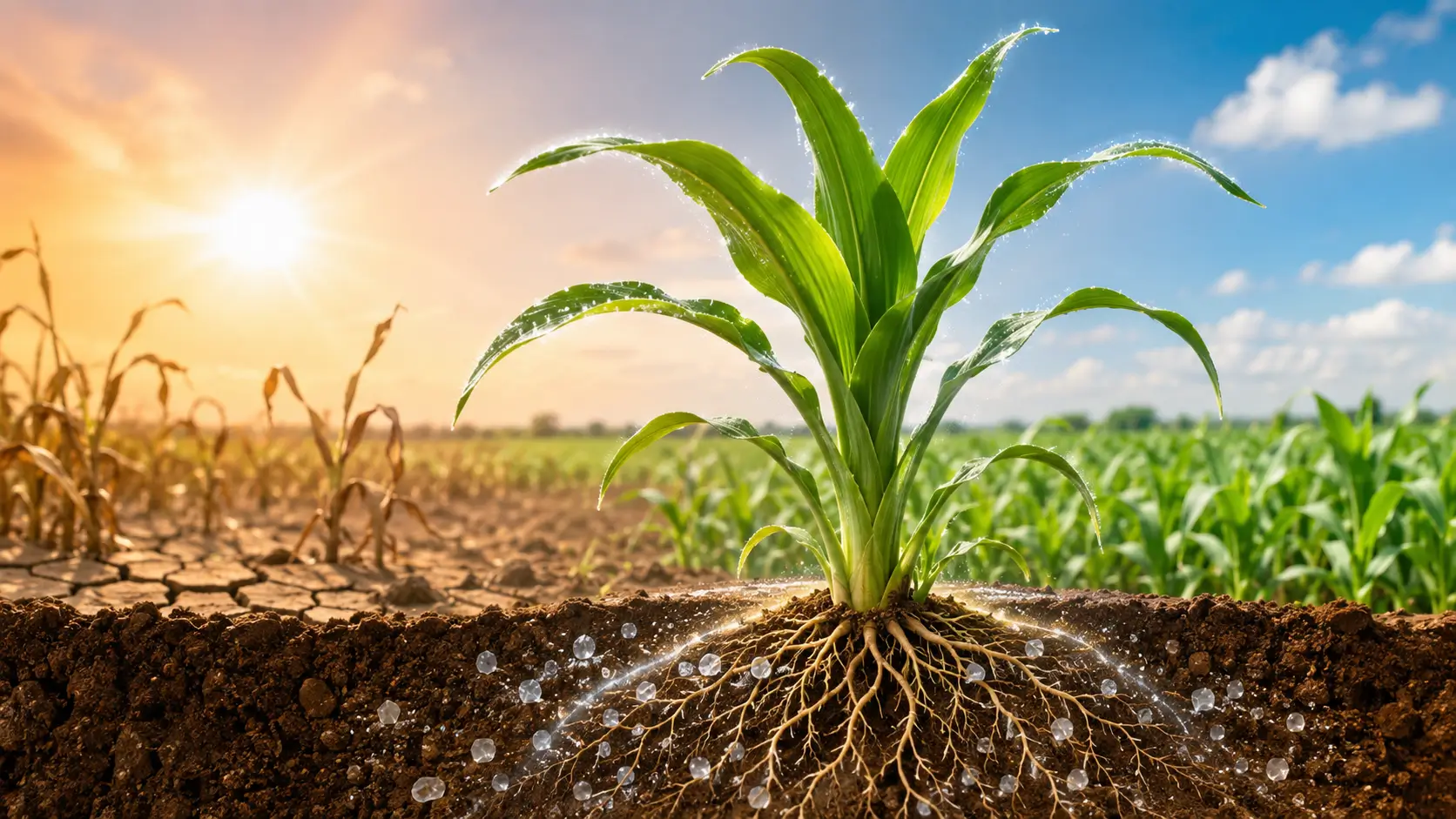
- Slow-Release Fertilizers: These fertilizers release nutrients slowly, providing long-term nutrition for plants. This reduces fertilizer loss and optimizes nutrient uptake by plants.
- Controlled-Release Fertilizers: Controlled-release fertilizers use coating technologies to regulate the release rate of nutrients. These fertilizers better meet plant nutrient needs and minimize environmental impacts.
Smart Fertilizers:
- Nano-Fertilizers: Fertilizers produced using nanotechnology enhance nutrient uptake by plants and improve fertilizer use efficiency. Nano-fertilizers reach plant roots faster and allow nutrients to be used more effectively by plants.
- Biodegradable Fertilizers: These fertilizers are made from biodegradable materials to reduce environmental impacts. Unlike traditional fertilizers, they completely dissolve in nature without harming the environment.
Environmental and Economic Benefits
Environmental Protection:
- Sustainable fertilization methods and technological innovations reduce water pollution and soil degradation. Thus, they minimize the environmental impacts of agricultural activities and contribute to ecosystem preservation.
Economic Efficiency:
- Accurate fertilization techniques and precision agriculture technologies increase fertilizer use efficiency and reduce costs. This allows farmers to achieve higher yields and ensure economic sustainability.
Education and Awareness
Farmer Training Programs:
- Raising awareness among farmers about sustainable fertilization methods and new technologies is essential. Training programs and fieldwork help farmers adopt these innovations.
Government and Private Sector Collaboration:
- Agricultural policies and incentive programs should support sustainable fertilization methods. Additionally, collaboration between the government and the private sector accelerates the dissemination of innovative fertilization technologies.
Conclusion
The future of fertilizer use in agricultural production will be shaped by sustainable and innovative solutions. Methods such as organic and biological fertilizers, precision agriculture technologies, slow-release and controlled-release fertilizers will enhance plant health and productivity while minimizing environmental impacts. Furthermore, farmers adopting these innovations and implementing sustainable fertilization strategies will ensure long-term success and sustainability in agricultural production. This provides fundamental insights into the future of fertilizer use in agriculture.