What Do Nutrients Provide to Plants?
The growth and productivity of plants largely depend on the nutrients supplied by the soil. These nutrients, as vital as water and sunlight, play critical roles in every stage of plant development. Therefore, understanding the soil structure and the role of each nutrient is essential for sustainable agriculture.
Macronutrients: The Plant’s Main Fuel
Nitrogen (N): Power for Leaf and Stem Growth
Nitrogen is one of the most essential nutrients for plants. It contributes to the production of chlorophyll and proteins, giving leaves their vibrant green color and stimulating stem growth. However, balance is key — too much nitrogen promotes leaf production but reduces flowers and fruits.
Phosphorus (P): Key to Root and Flower Development
Phosphorus supports strong root systems, enhances flowering, and increases seed quality. It also helps plants resist stress conditions. When phosphorus is lacking, growth slows, and leaves may turn purple.
Potassium (K): Water Balance and Fruit Quality
Potassium regulates the plant’s water balance, strengthens disease resistance, and improves fruit taste and texture. Moreover, it helps plants tolerate drought. A deficiency leads to dry leaf edges and poor-quality fruits.
Secondary Nutrients: Supporting the Balance
Calcium (Ca)
Calcium strengthens cell walls and promotes the healthy formation of new tissues. Its deficiency causes blossom-end rot, especially in tomatoes and peppers.
Magnesium (Mg)
Magnesium lies at the heart of chlorophyll and enables photosynthesis. Therefore, a lack of magnesium causes yellowing and reduced vitality.
Sulfur (S)
Sulfur aids protein synthesis and increases microbial activity in the soil. A deficiency causes smaller leaves and weak growth.
Micronutrients: Small but Vital
Micronutrients are required in small amounts but have vital roles in plant metabolism.
-
Iron (Fe): Needed for chlorophyll formation.
-
Zinc (Zn): Encourages root and pollen development.
-
Copper (Cu): Strengthens enzyme activity and disease resistance.
-
Boron (B): Improves flower and fruit set.
-
Manganese (Mn), Molybdenum (Mo): Support photosynthesis and nitrogen metabolism.
In short, each of these elements contributes to the plant’s overall health and resilience.
The Importance of Nutrient Balance in Ecological Farming
Ecological farming aims not only for productivity but also for preserving soil health. Instead of chemical fertilizers, natural composts, animal manure, and green manures should be used.
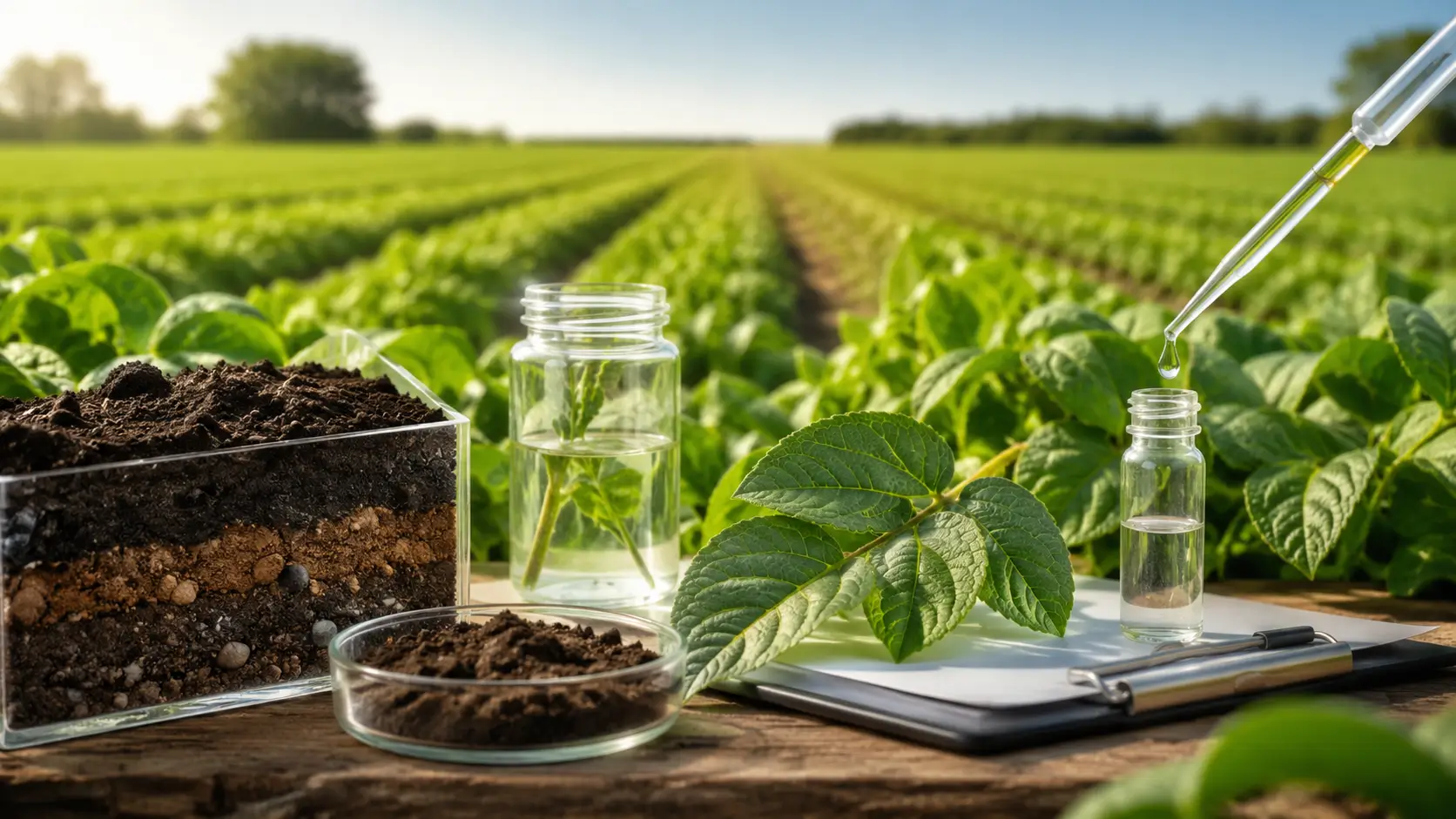
The soil pH must also remain balanced — between 5.5 and 7 for most plants — to ensure optimal nutrient absorption. Regular soil testing helps determine the exact needs of the plant and prevents excessive fertilization.
Conclusion: Balance, Productivity, and Sustainability
Each nutrient plays a distinct role: nitrogen supports foliage, phosphorus develops roots and flowers, potassium enhances fruit quality. Calcium, magnesium, sulfur, and micronutrients complete this balance.
Ecological farming protects soil vitality while promoting sustainable and high-quality production — the true key to lasting agricultural success