Why Does My Tree Produce Little Fruit?
1. Main Causes of Low Fruit Production
1.1. Pollination Problems
Fruit formation depends heavily on successful pollination.
When bee activity is low or wind conditions are weak, pollen transfer decreases.
Some species such as apples, pears, and cherries are self-incompatible, meaning they need pollen from another variety.
Planting compatible pollinator trees and encouraging bee activity during flowering can significantly boost yields.
1.2. Unfavorable Weather Conditions
Frost, excessive rain, or strong winds during blooming can cause flowers to drop.
When temperatures fall below 10°C, pollen viability decreases, reducing fruit set.
This is common in early-blooming species like apricot, almond, and peach.
Protecting trees from frost using sprinkler irrigation or anti-frost fans can help.
1.3. Irregular Watering
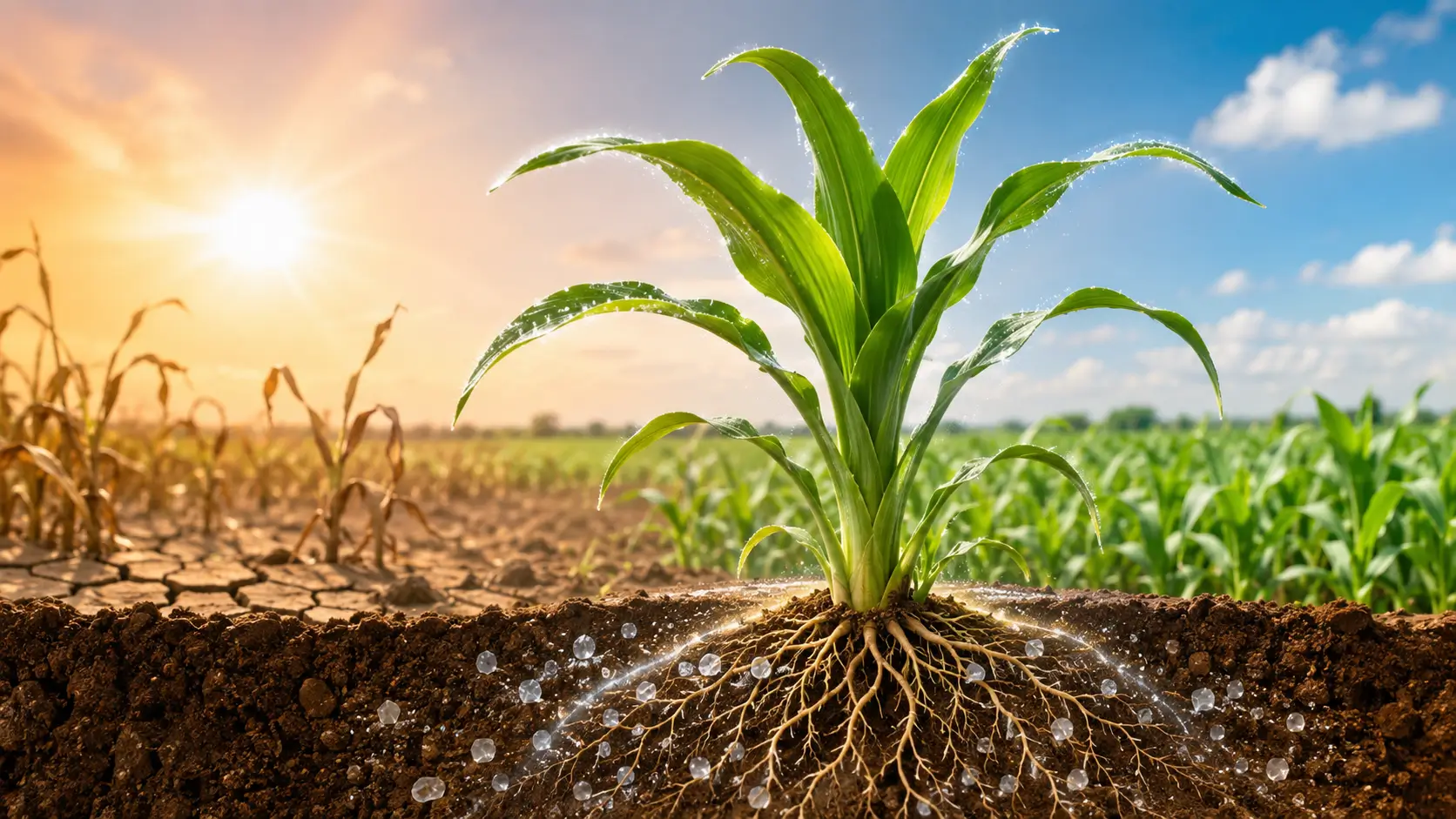
Fluctuating soil moisture stresses the roots, disrupting the tree’s focus on fruiting.
Overwatering leads to root rot, while drought causes premature fruit drop.
A drip irrigation system ensures steady moisture and improves fruit consistency.
2. Nutrient Imbalances
2.1. Excess Nitrogen
Too much nitrogen encourages leafy growth but suppresses flower and fruit formation.
Even if the tree looks lush, fruit set decreases.
Using potassium- and phosphorus-rich fertilizers restores balance.
2.2. Lack of Potassium and Calcium
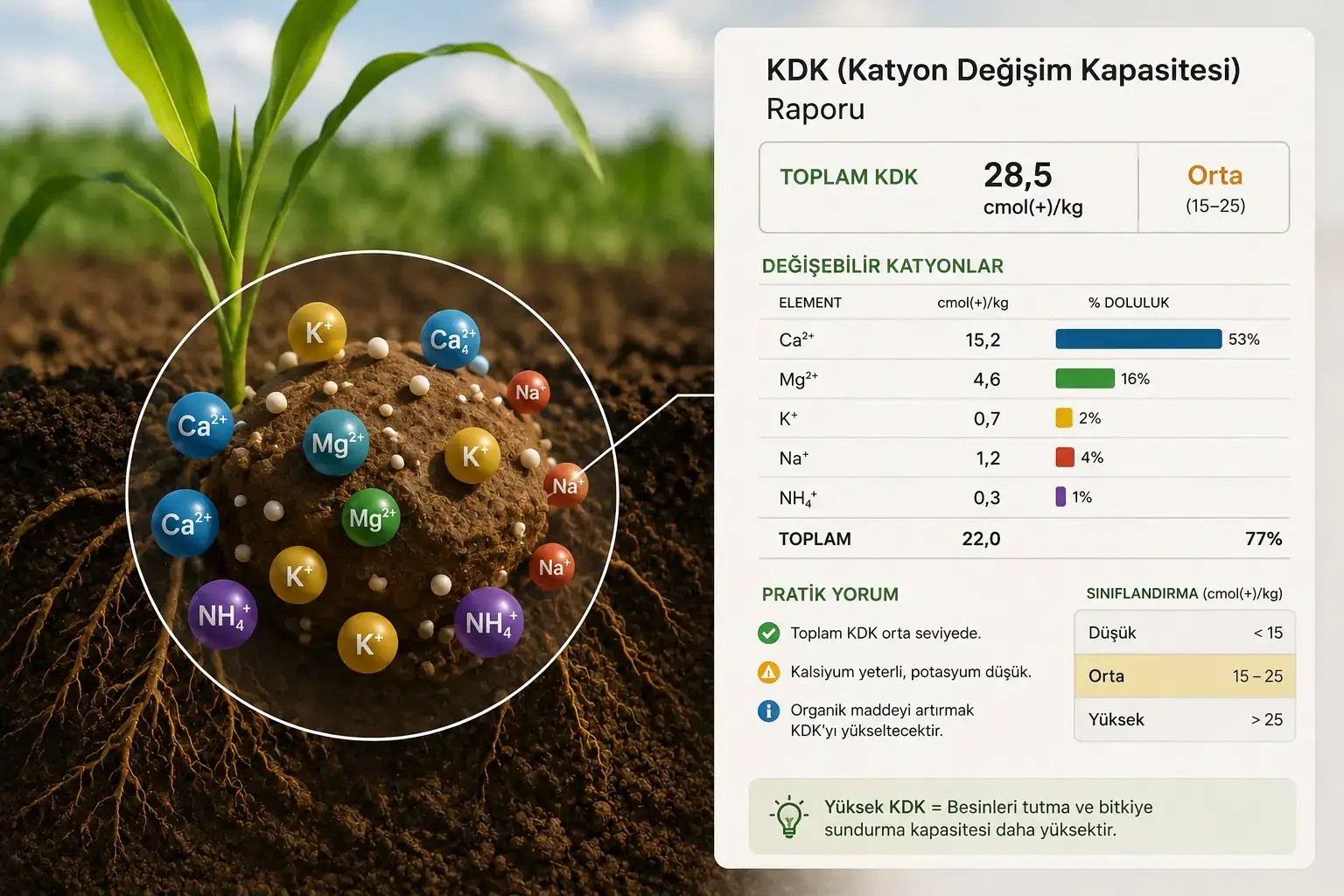
Potassium is crucial for fruit formation and quality.
Its deficiency results in fewer, deformed fruits.
Calcium strengthens fruit tissue; low levels cause small or cracked fruits.
2.3. Micronutrient Deficiencies
Boron and zinc deficiencies interfere with pollen tube growth, hindering fertilization.
This leads to flower drop before fruit forms.
Regular foliar feeding can correct these imbalances quickly.
3. Management and Cultivation Mistakes
3.1. Incorrect Pruning
Over-pruning removes flower buds, reducing next season’s yield.
Proper pruning should be done at the end of winter, maintaining balance between vegetative and reproductive growth.
3.2. Alternate Bearing (On–Off Years)
Some trees overproduce one year and rest the next — a phenomenon called biennial bearing.
Thinning excess fruits during heavy years helps stabilize yield.
3.3. Pests and Diseases
Flower thrips, aphids, and fungal infections like brown rot affect pollination and fruit set.
Early biological or organic pest control reduces damage effectively.
✅ Conclusion:
Low fruit yield is usually due to pollination issues, nutrient imbalance, or management mistakes.
By supporting pollinators, using balanced fertilizers, and pruning correctly, you can ensure consistent and abundant harvests.
Remember, healthy fruit comes from a balanced and well-cared-for tree.