Sustainable Fertilizer Selection: The Foundation of Modern Agriculture
Today’s agricultural sector faces serious responsibilities in increasing production efficiency while protecting the environment and soil health. One of the most important factors in achieving this balance is the proper selection of fertilizers used and the considerations that should be taken into account. Sustainable fertilizer selection not only increases current product quality and yield but also ensures that future generations can farm on healthy soils.
With the increasing adoption of ecological agriculture practices, our farmers often hesitate about which fertilizer to choose. Making the right choice between organic fertilizers, synthetic fertilizers, mineral fertilizers, and biological fertilizers is critically important both economically and ecologically.
Organic Fertilizers: Nature’s Support
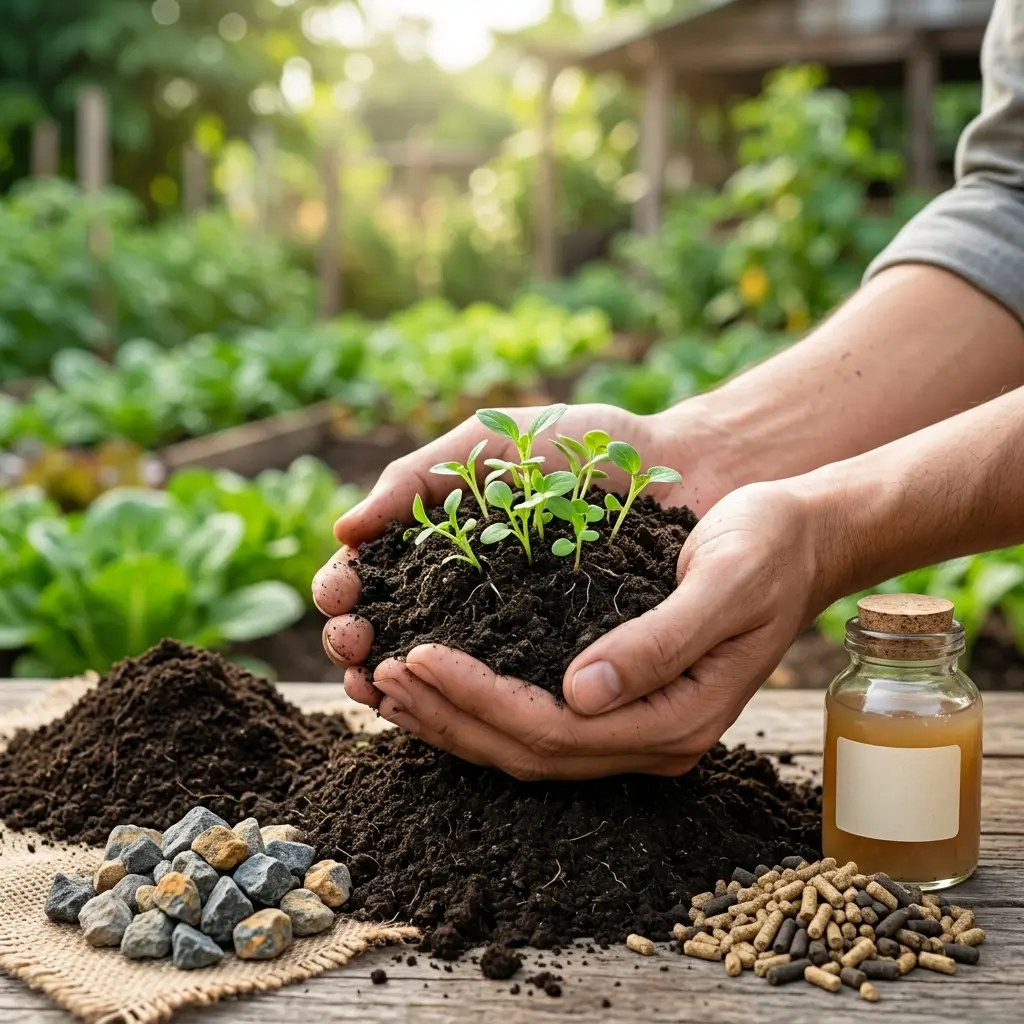
Organic fertilizers are produced using animal waste, plant residue, and other natural sources. Products such as compost, pigeon manure, and cattle manure increase the organic matter content of the soil and revitalize soil life. The use of these fertilizers encourages the development of beneficial microorganisms in the soil and improves the soil’s water retention capacity. However, since organic fertilizers do not have rapid effects, they should be viewed as part of a long-term agricultural strategy.
Mineral Fertilizers: Quick Solution
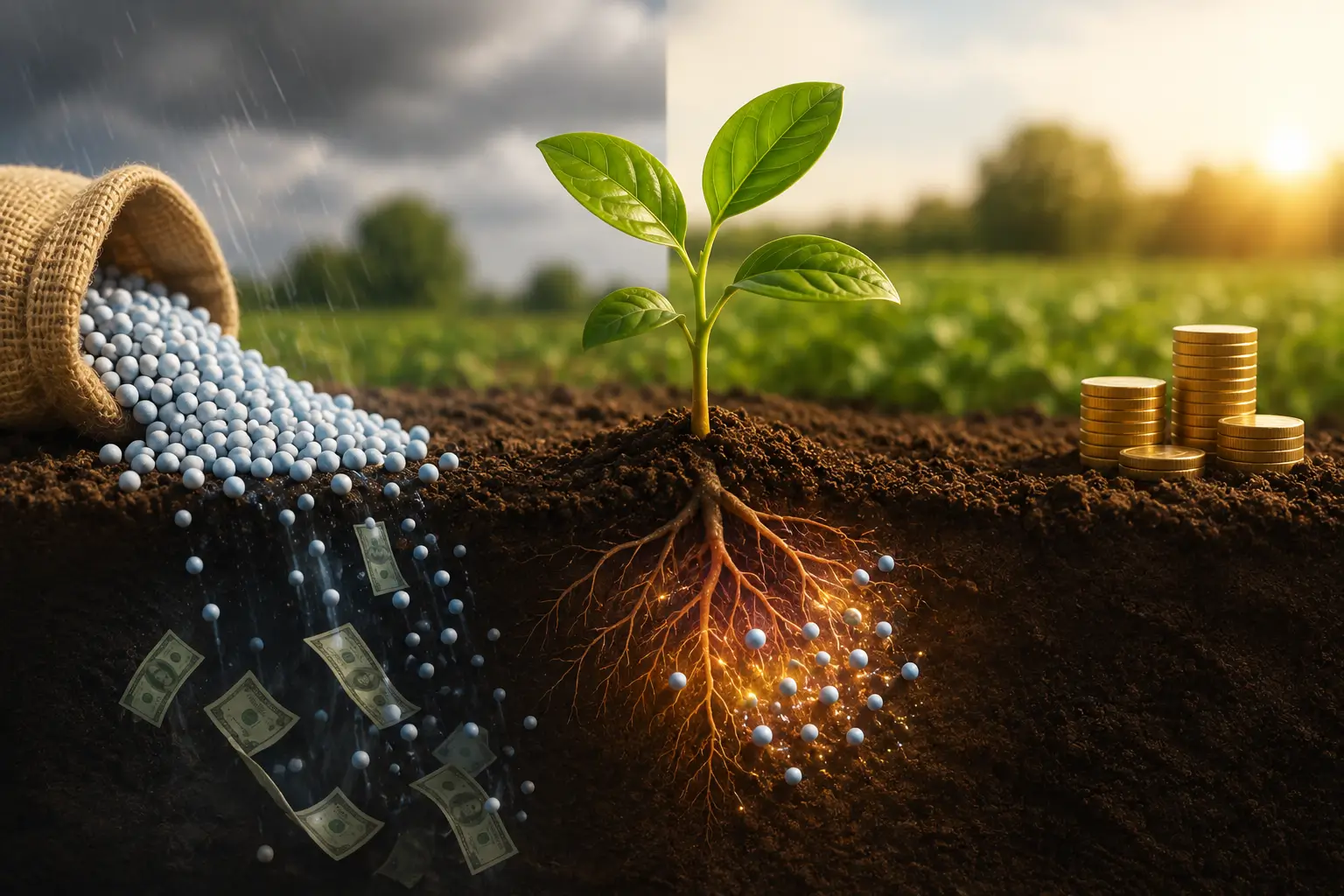
Mineral fertilizers have rapid effects, especially in addressing critical nutrient deficiencies. Because they contain nitrogen, phosphorus, and potassium (NPK), they meet the immediate needs of plants. However, their excessive and indiscriminate use can damage soil structure, pollute groundwater, and cause nutrient imbalances in plants. Therefore, mineral fertilizers should be used based on soil analysis results and within recommended guidelines.
Biological Fertilizers: Microbiological Support
Biological fertilizers contain beneficial bacteria and fungi that support the soil’s natural cycle. Nitrogen-fixing bacterial inoculants, phosphate-solvent microorganisms, and mycorrhizal fungi naturally optimize soil nutrient balance. These products reduce reliance on chemical fertilizers while preserving the soil ecosystem.
Basic Steps for Correct Selection
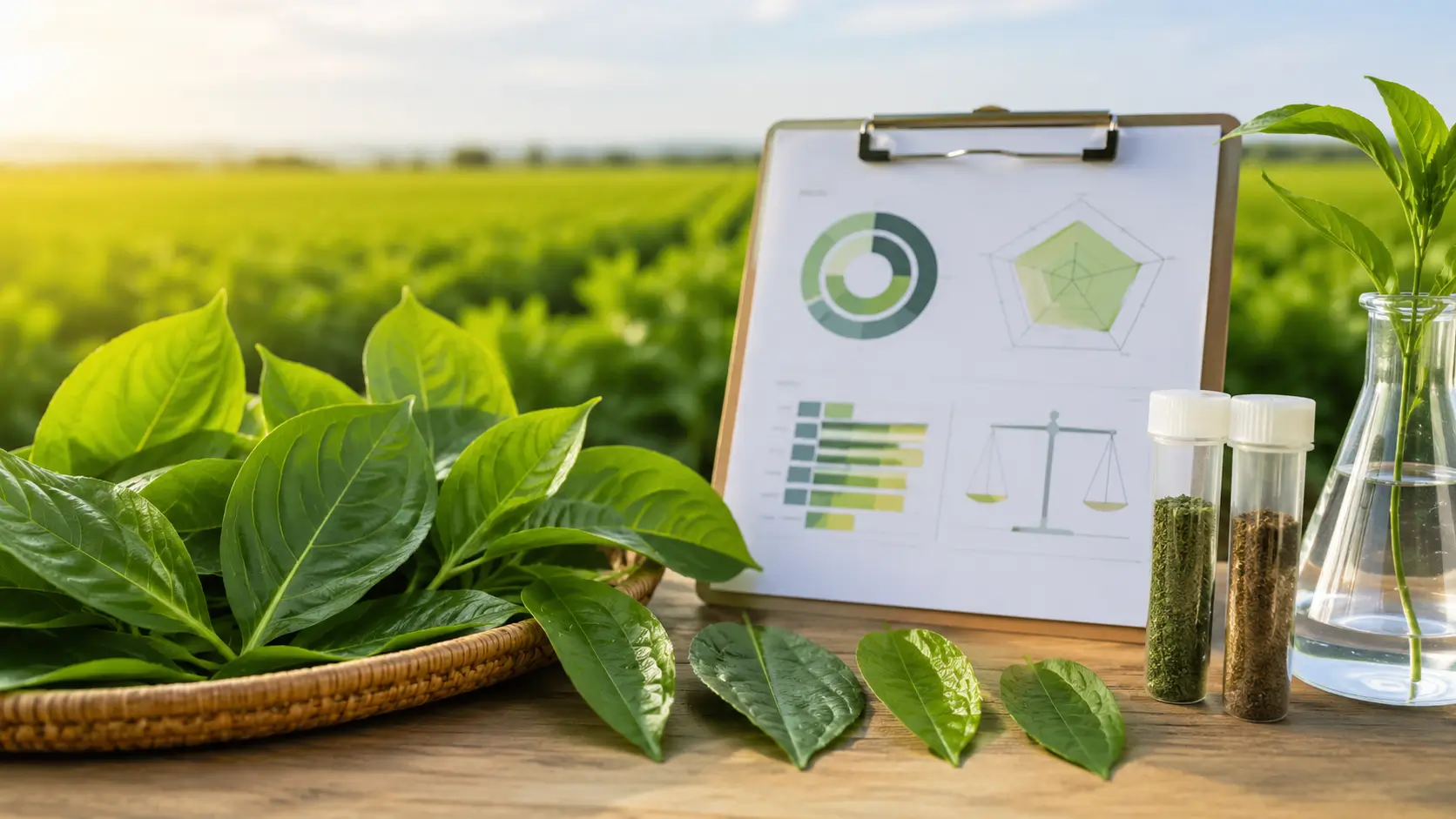
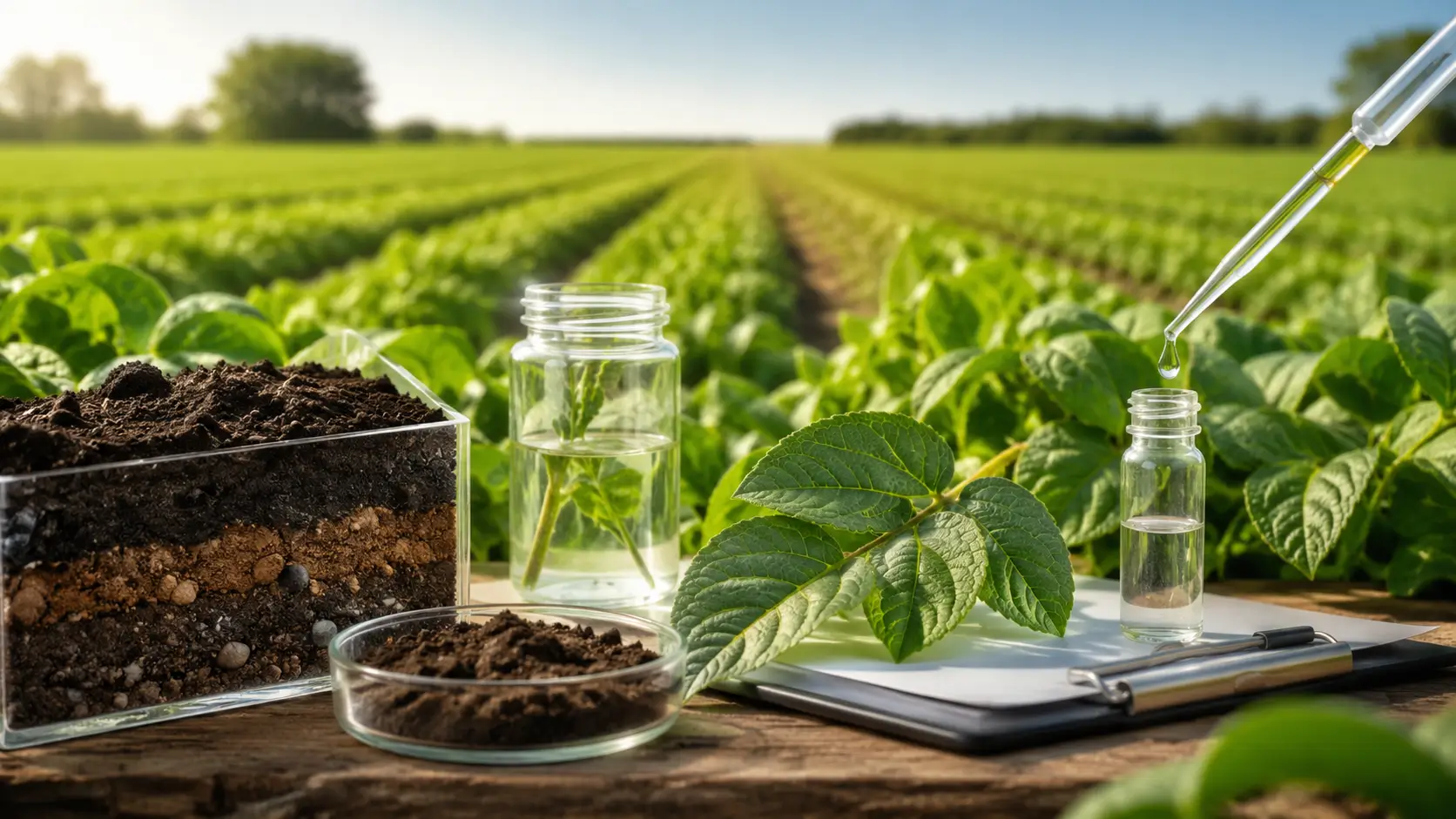
When choosing sustainable fertilizers, the following steps should be followed in order: First, soil analysis should be conducted to determine the current nutritional status of plants. Then, research environment-friendly and effective solutions for the identified nutrient deficiencies. Consider whether your production system is organic or not, and evaluate options that fit your economic budget. Finally, determine the correct application technique and timing of your chosen fertilizers to achieve maximum yield.
Sustainable fertilizer selection is not just an agricultural practice; it is taking responsibility toward future generations.