Iron and Manganese Antagonism in Plants: Causes and How to Manage It
In the intricate world of plant nutrition, the balance between nutrients is crucial for healthy growth and development. One such relationship is the antagonism between iron and manganese in plants. This nutritional rivalry can hinder plant health and yield if not properly managed. Understanding the causes and management strategies for iron and manganese antagonism is essential for growers and agronomists aiming to optimize crop productivity.
Causes of Iron and Manganese Antagonism
Iron and manganese are both vital micronutrients that plants need to thrive. They play key roles in photosynthesis, enzyme function, and chlorophyll production. However, these nutrients can compete with each other, leading to a delicate balance that, when disrupted, results in antagonism.
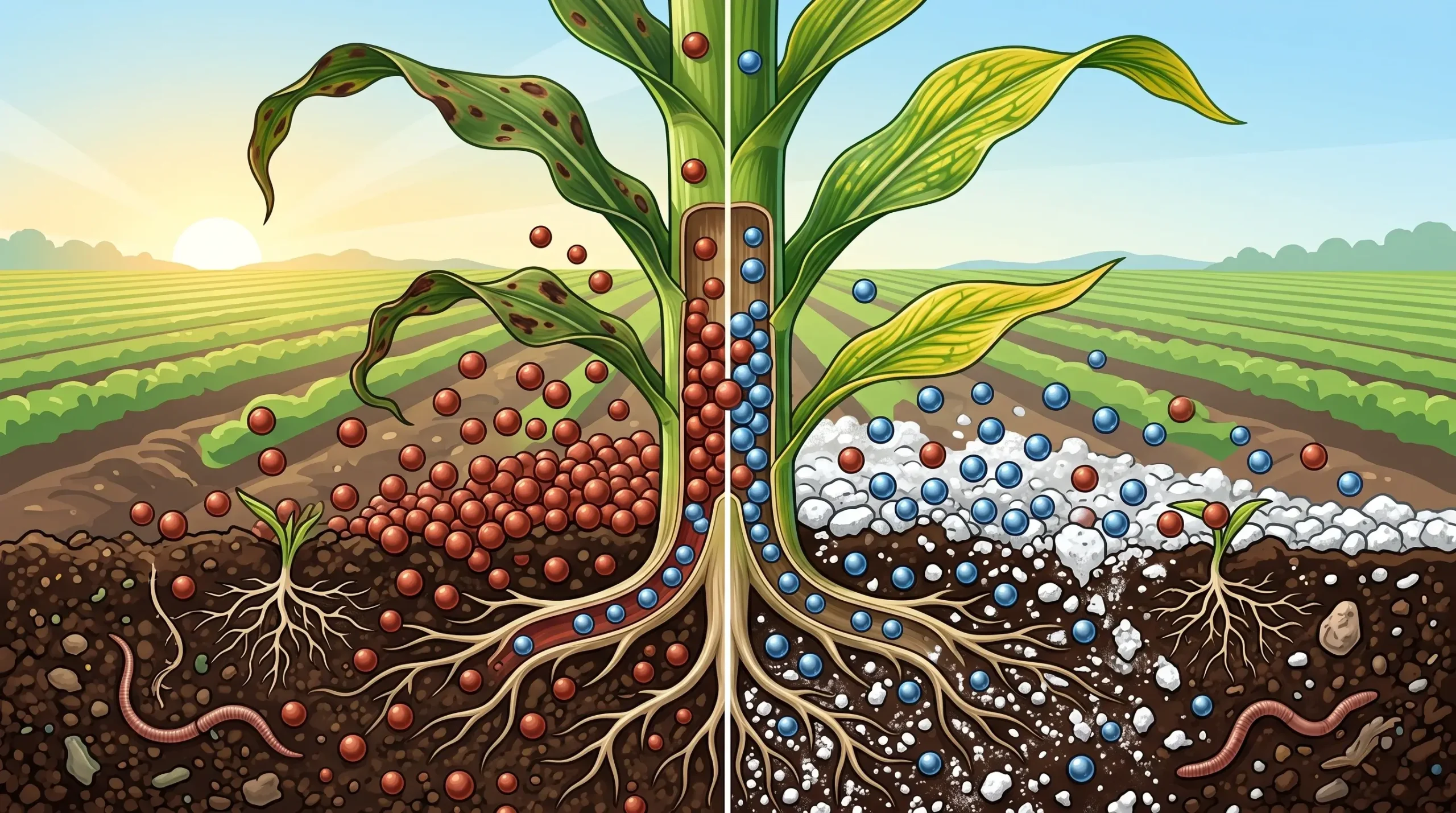
One primary cause of this antagonism is soil pH. In alkaline soils, iron becomes less available to plants, while manganese remains more accessible. This can lead to iron deficiency symptoms even when soil tests show adequate levels. Conversely, in acidic soils, manganese becomes toxic to plants, while iron remains available. Such imbalances can cause chlorosis, stunted growth, and reduced yields.
Another cause is the presence of excessive levels of one nutrient, which can inhibit the uptake of the other. For example, high manganese concentrations can interfere with iron absorption, leading to deficiency symptoms despite adequate iron levels in the soil.
Recognizing Symptoms and Effects
Identifying the symptoms of iron and manganese antagonism is a crucial step in management. Iron deficiency typically manifests as interveinal chlorosis, where leaves turn yellow while veins remain green. This is often seen in new leaves first. On the other hand, manganese toxicity presents as dark brown spots on leaves, particularly older foliage, and can lead to necrosis.
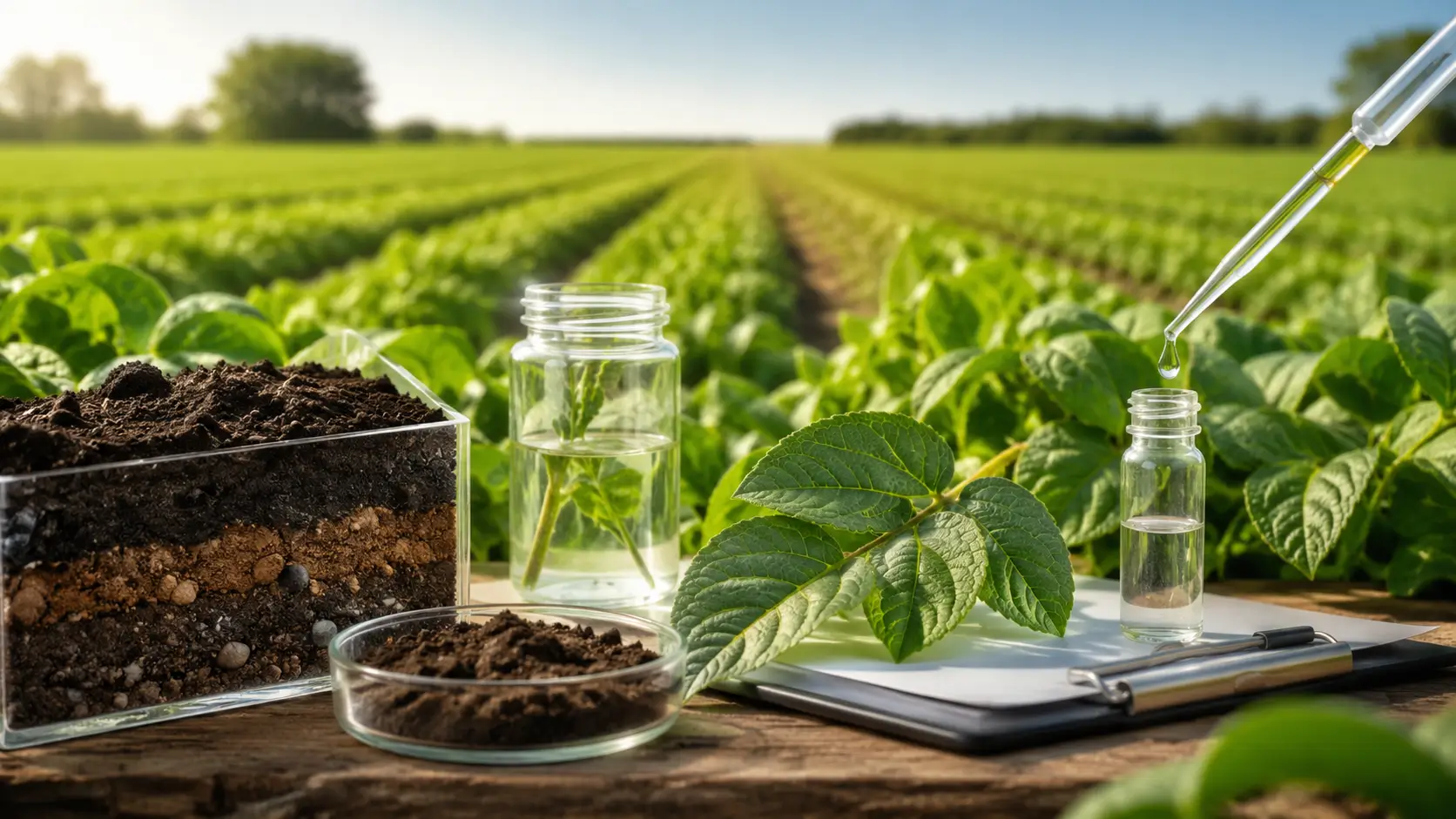
Understanding these symptoms helps in diagnosing the problem accurately, allowing for targeted interventions. It’s important to conduct soil and tissue tests to confirm nutrient levels before proceeding with any corrective measures.
Effective Management Strategies
Managing iron and manganese antagonism requires a multifaceted approach. First, adjusting soil pH is crucial. For alkaline soils, applying sulfur or ammonium sulfate can help lower pH and increase iron availability. In acidic soils, lime applications can raise pH, reducing manganese toxicity.
Supplementing with chelated iron can also be effective, especially in high pH soils where iron availability is limited. Chelated forms are more readily absorbed by plants and can quickly alleviate deficiency symptoms. Similarly, using manganese sulfate can address manganese deficiencies in alkaline conditions.
Crop rotation and the use of cover crops can improve soil structure and nutrient cycling, reducing antagonism over time. Incorporating organic matter, such as compost, can enhance soil health and buffer pH fluctuations, promoting a balanced nutrient environment.
Conclusion
Iron and manganese antagonism in plants is a common challenge for growers, but with a clear understanding of its causes and effects, it can be effectively managed. By paying attention to soil pH, recognizing deficiency symptoms, and employing targeted management strategies, you can ensure optimal nutrient balance and plant health. Take action today by testing your soil and adjusting your management practices to foster a thriving crop.
For more expert advice and personalized guidance, consider consulting with a local agronomist or extension service. By staying informed and proactive, you can overcome nutrient antagonism and achieve your agricultural goals.