Macrominerals and Micronutrients Analysis: Understanding the Foundations of Plant Nutrition
Success in agricultural production depends on providing each nutrient element that plants need at the right time and in the right quantity. However, most farmers do not fully understand which elements plants need, which elements are deficient, and how to address these deficiencies. This is where macrominerals and micronutrients analysis come into play. These analyses provide farmers with the opportunity to develop plant nutrition strategies based on scientific data.
What Are Macrominerals?
Macrominerals are nutrient elements that plants require in large quantities. They are classified into six categories: Nitrogen (N), Phosphorus (P), Potassium (K), Calcium (Ca), Magnesium (Mg), and Sulfur (S). Each plays a critical role in different stages of plant development.
Nitrogen (N) plays a fundamental role in the development of plants’ green parts, leaves, and stems. It is necessary for protoplasm and chlorophyll synthesis. Nitrogen deficiency leads to leaf yellowing, weak growth, and low yields.
Phosphorus (P) is essential in energy production (ATP synthesis) and in the structure of nucleic acids. It accelerates root development and flowering. Phosphorus deficiency causes weak root development, late flowering, and poor seed quality.
Potassium (K) enables plants to be resistant to diseases and stress conditions. It regulates water balance, improves fruit quality and taste. Potassium deficiency causes browning at the edges of leaves and loss of fruit quality.
Calcium (Ca) plays a role in cell wall structure and provides structural integrity to plants. Calcium deficiency causes flower and fruit deterioration (apical necrosis).
Magnesium (Mg) is the central atom of the chlorophyll molecule. It is vital for photosynthesis. Magnesium deficiency causes yellowing between leaf veins.
Sulfur (S) is present in protein structure and improves nutritional quality of plants. Sulfur deficiency is rare but when it occurs, plant growth weakness develops.
What Are Micronutrients?
Micronutrients (trace elements) are nutrient elements that plants require in very small quantities, but these quantities are critically important. They are classified into six categories: Iron (Fe), Zinc (Zn), Copper (Cu), Boron (B), Manganese (Mn), and Molybdenum (Mo).
Iron (Fe) plays a role in chlorophyll production and in electron-carrying proteins. Iron deficiency causes chlorosis in leaves (yellowing between veins). In high pH soils, iron becomes unavailable to plants.
Zinc (Zn) serves as the active center of enzymes, playing a role in protein synthesis and hormone production. Zinc deficiency causes leaf reduction and shortening of structures.
Copper (Cu) is necessary in photosynthesis and cellular respiration processes. Copper deficiency is rare and usually occurs in sandy soils.
Boron (B) plays a role in cell wall formation and sugar transport. Boron deficiency causes flower and fruit drop during flowering and fruit periods.
Manganese (Mn) is involved in photosynthesis and oxidation-reduction reactions. Manganese deficiency creates a mosaic pattern on leaves.
Molybdenum (Mo) plays a role in nitrate reduction and nitrogen fixation. Molybdenum deficiency causes asymmetric leaf development in plants.
The Importance of Analyzing Macrominerals and Micronutrients
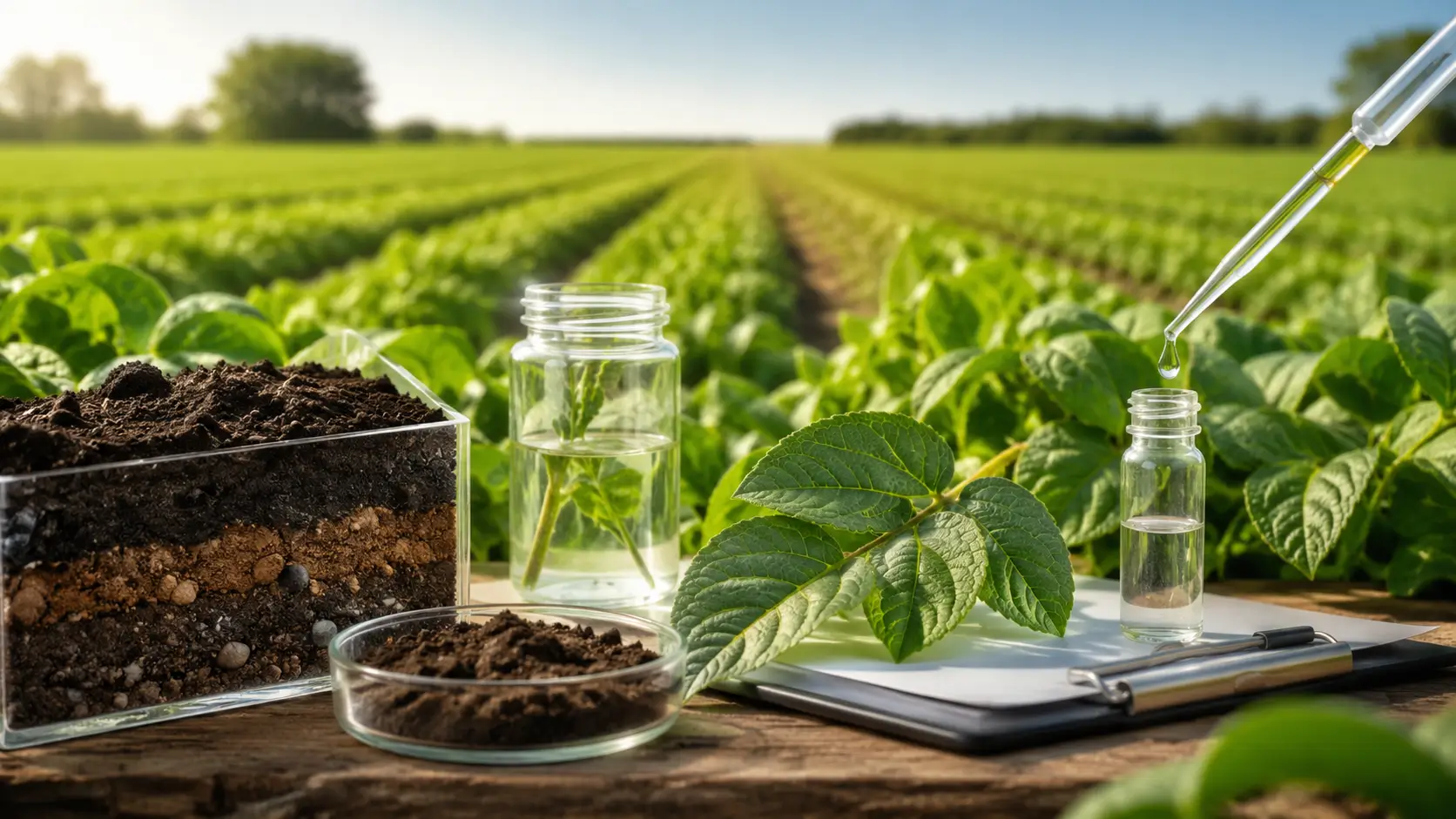
To develop a correct agricultural strategy, two types of analyses should be performed together: soil analysis and plant tissue analysis. Soil analysis shows the nutrient content of the soil, while plant tissue analysis reveals how much nutrient the plant is actually absorbing. In two agricultural fields with the same soil, plant nutrient uptake can be completely different due to pH differences.
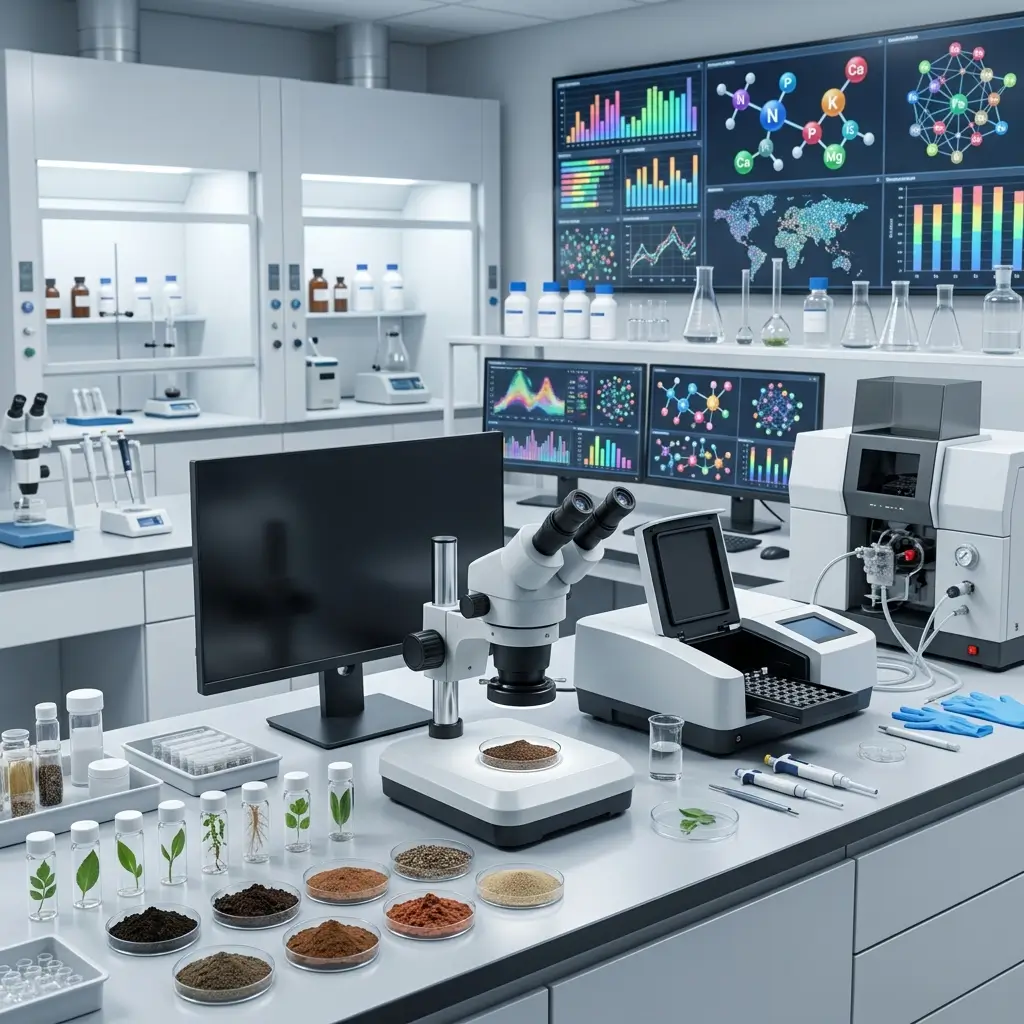
Thanks to machines and equipment, these analyses can now be performed quickly and inexpensively. Laboratory analysis results provide farmers with precise scientific data on fertilizer selection and application timing.
Conclusion
Macrominerals and micronutrients analyses are indispensable tools of modern agriculture. Fertilizer applications based on scientific data provide both economic success and environmental protection. Every farmer should conduct soil and plant tissue analysis at the beginning of the season and prepare a nutrition program suited to the results.