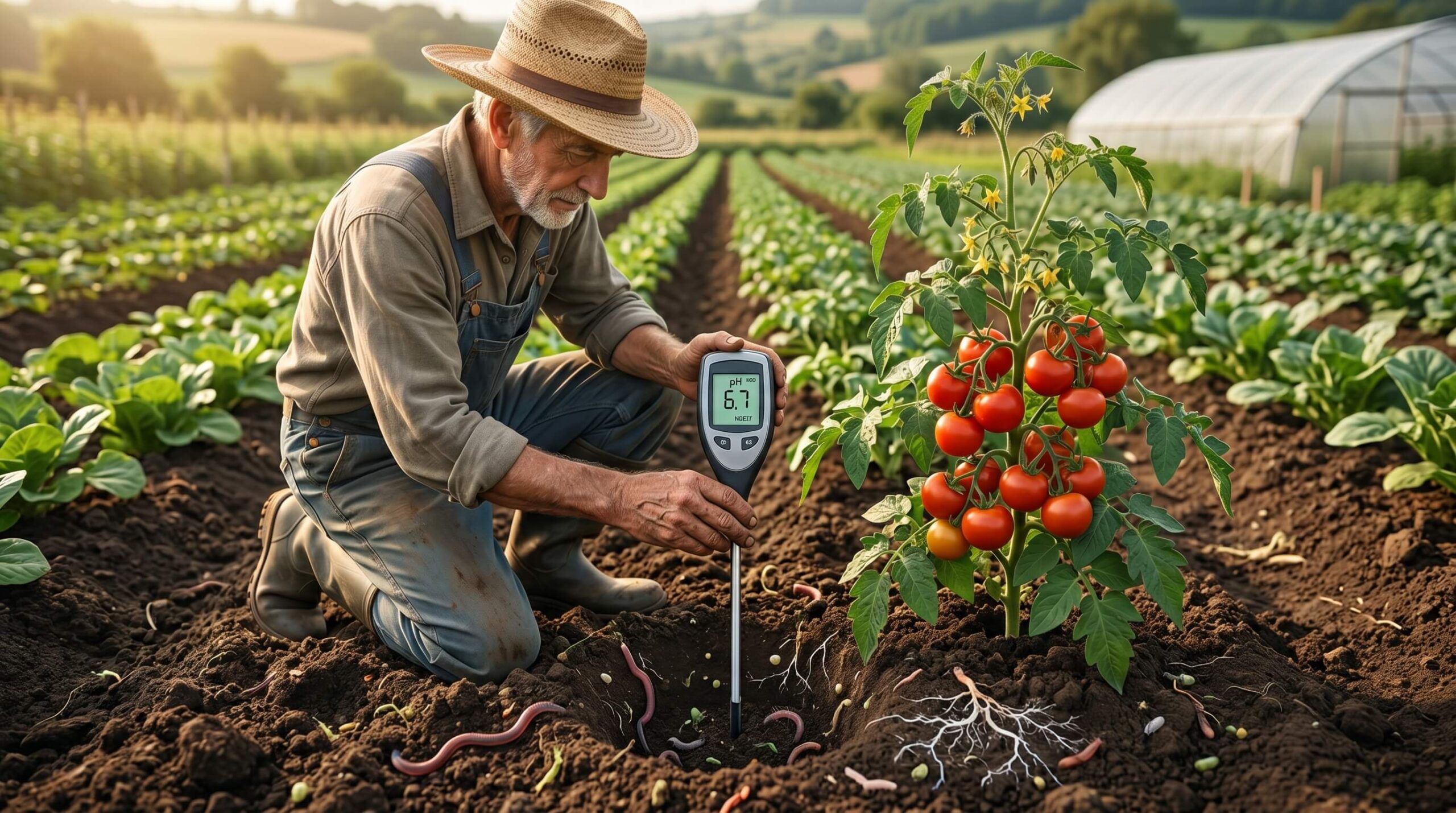
Soil pH and Plant Nutrition: Yield Secrets in Ecological Farming
“Soil pH and Plant Nutrition: Yield Secrets in Ecological Farming” is the most fundamental ecological rule you need to know for your plants to optimally absorb nutrients from the soil and reach high quality. The pH level, which indicates the acidity or alkalinity of the soil, acts just like a lock on the door of the plants’ nutrient warehouse; if you don’t have the right key, no matter how many nutrients are inside, your plant cannot benefit from them.
What is Soil pH and Why is it so Critical? Soil pH is a measurement unit ranging from 0 to 14 that shows the reaction of the soil. A value of 7 is considered neutral, while values below 7 are acidic and those above are alkaline. To achieve sustainable success in ecological farming, the chemical, physical, and biological structure of the soil must be in perfect balance. The ideal pH range for a vast majority of cultivated plants is between 6.0 and 7.0. Within this range, the nutrients plants need for healthy growth, strong root systems, and vibrant foliage exist in a soluble state in the soil solution. If the pH level falls out of this ideal range, elements in the soil react to form insoluble compounds and become unabsorbable by plant roots.
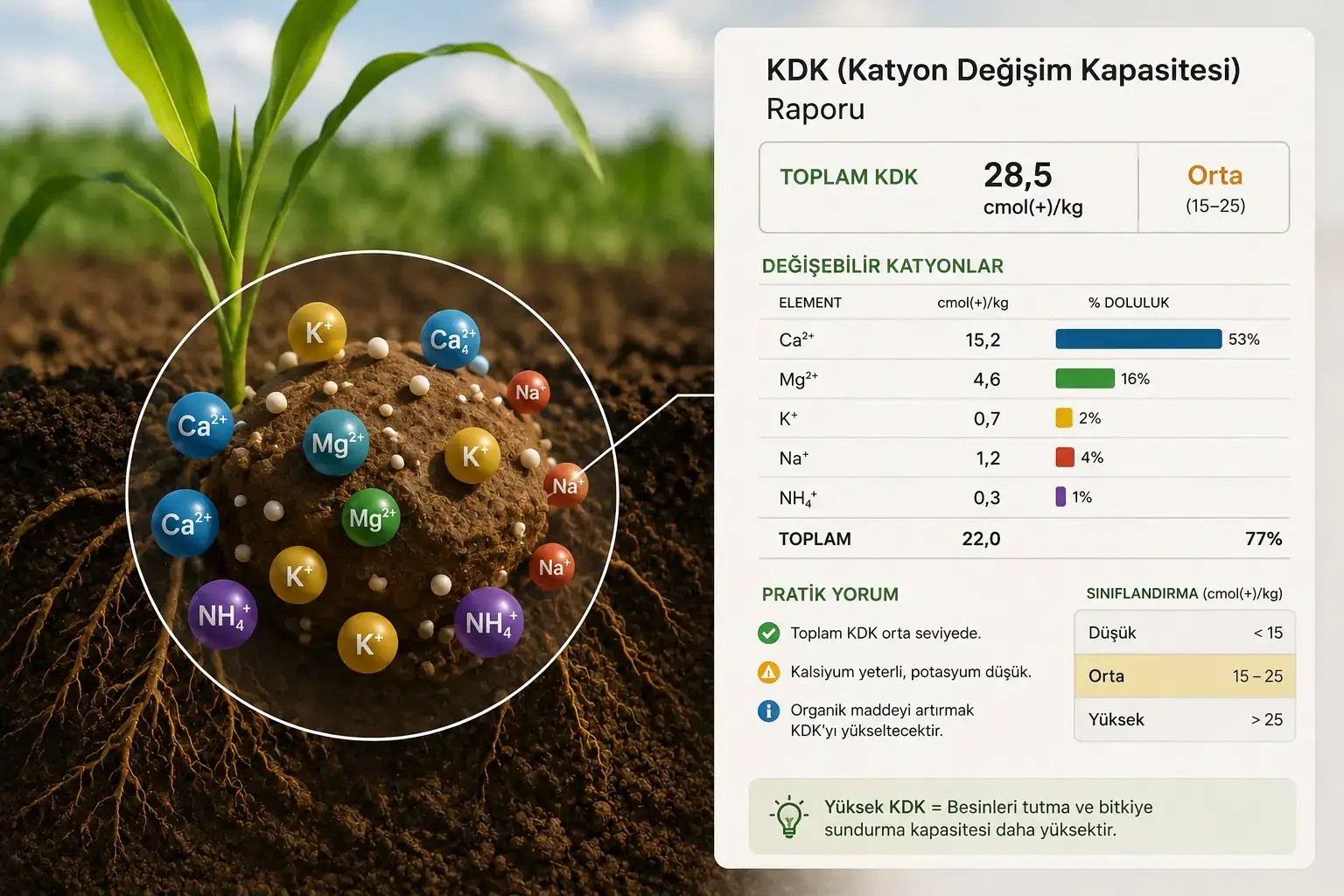
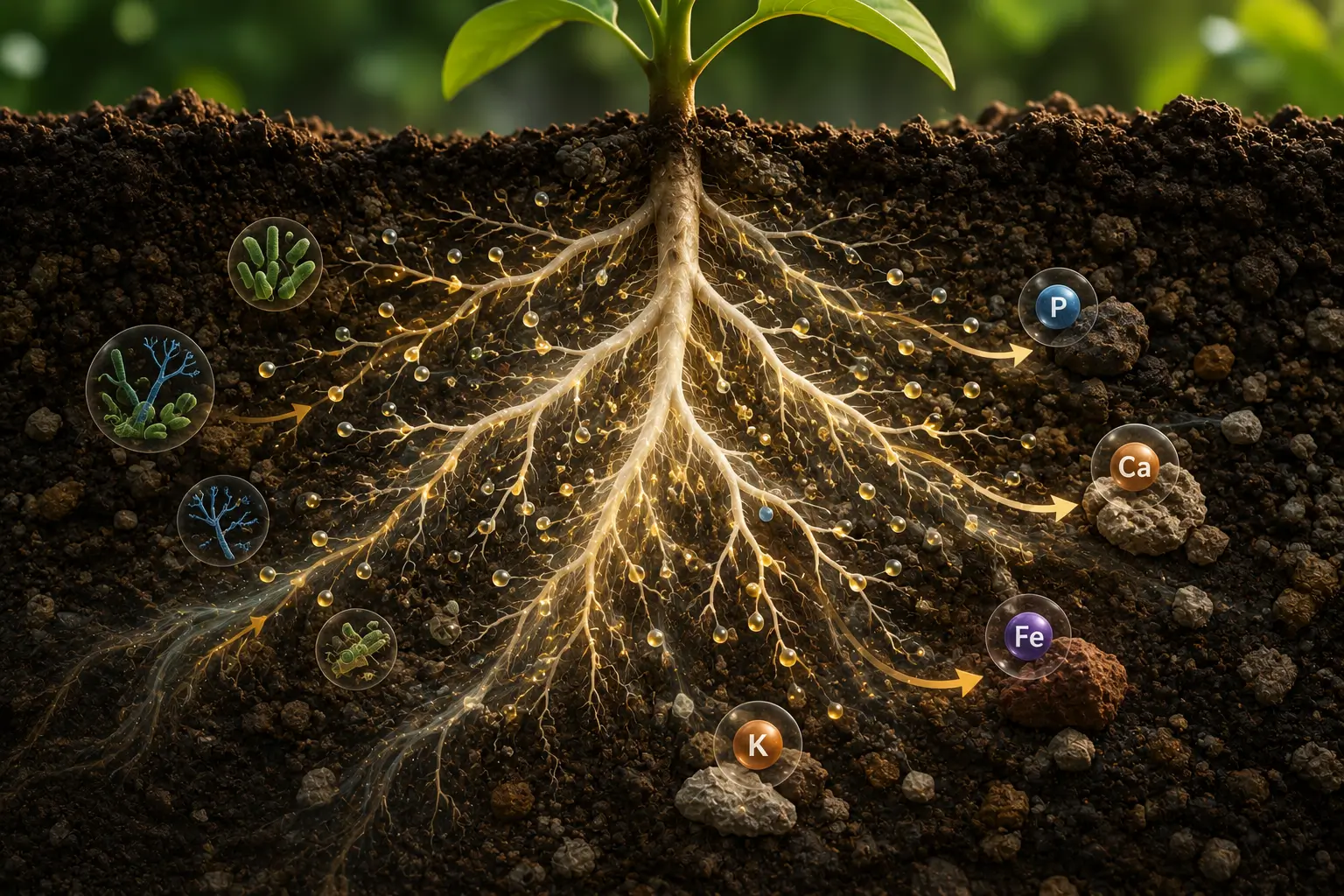
Nutrient Availability and the pH Relationship Even minor changes in the pH level dramatically affect the uptake of macro and micro elements. For instance, when the pH level is too high (alkaline), the uptake of vital micro elements like iron, zinc, manganese, and boron is blocked, even if they are abundant in the soil. Iron deficiency manifests as yellowing in leaves and a drop in the plant’s photosynthetic capacity. Similarly, when the pH is too low (acidic), the absorption of elements like calcium, magnesium, and molybdenum becomes difficult.
Phosphorus is an indispensable element for energy transfer and root development in plants. However, when soil pH rises above 7.5, it reacts with calcium to form calcium phosphate compounds and becomes unavailable. When the pH drops below 5.5, it binds with iron and aluminum. In both cases, the plant cannot secure the energy it needs during flowering and fruit setting periods. Therefore, ecological producers must continuously regulate pH to ensure the transport of critical elements like phosphorus into the plant structure.
Antagonism Conflict and Soil pH Another important issue frequently encountered in ecological farming is antagonism. Antagonism is a situation where an excess of one element in the soil or a pH imbalance prevents the uptake of another element by the plant. An excessively high calcium ratio in high-pH soils can suppress potassium and magnesium absorption. To prevent such conflicts, adding organic supplements from the outside is not enough; regulating the pH to unlock the soil is a prerequisite. Plants can only derive maximum benefit from feeding formulas applied in a balanced soil structure.
pH Regulation Strategies in Ecological Farming Adjusting soil pH to ideal levels is a process that requires patience and correct ecological strategies. Agricultural sulfur applications and organic matter additions are among the most common methods to lower the pH of alkaline soils. Additionally, natural sources like humic and fulvic acids and leonardite increase the soil’s buffering capacity, minimizing the negative impacts of pH fluctuations on the plant. Organic acids, especially those applied through drip irrigation systems, can temporarily lower the pH in the root zone (rhizosphere), significantly facilitating nutrient uptake. Organic contents that stimulate microbial activity help the soil find its natural balance over time.
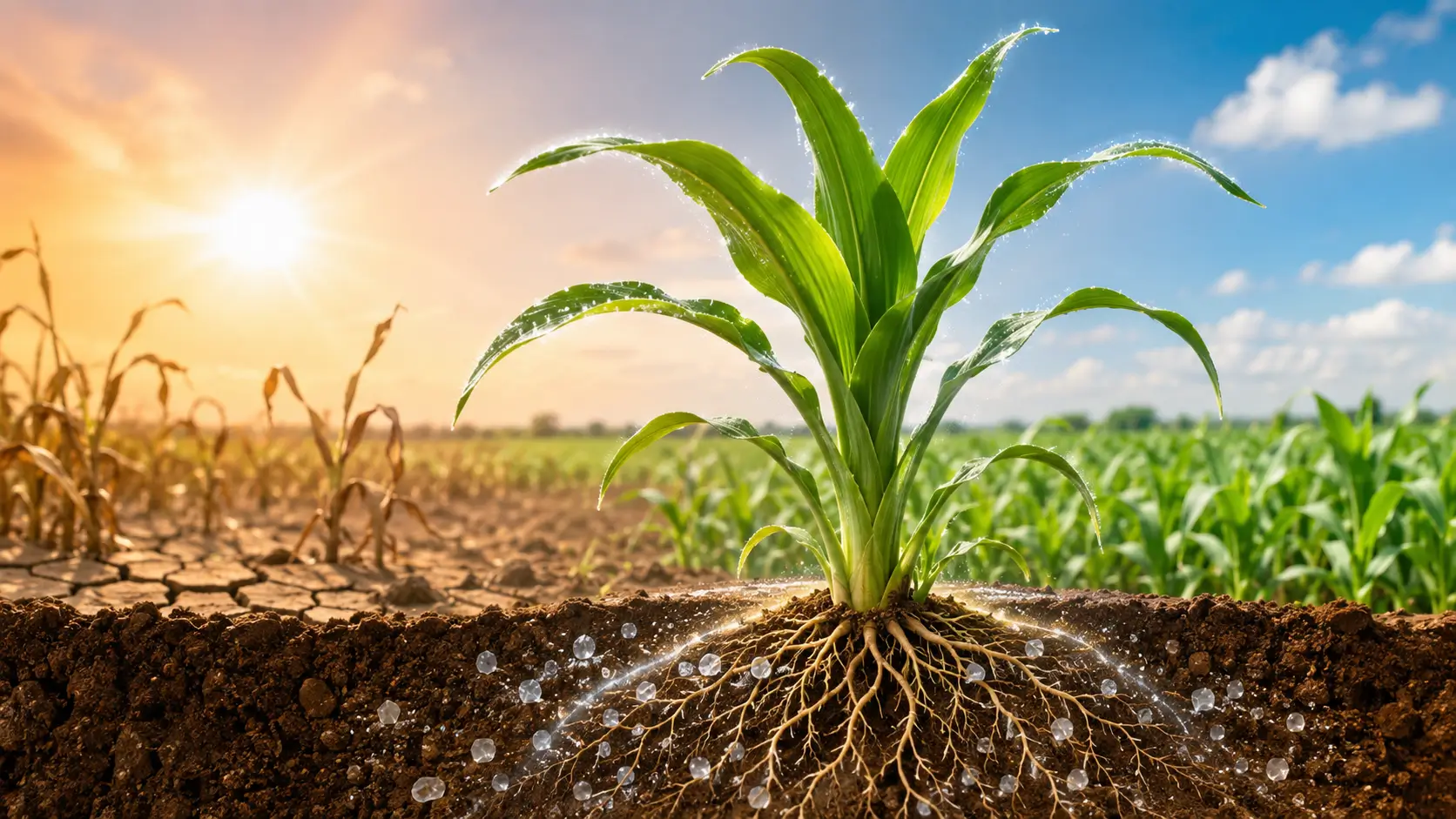
Strong Roots and Natural Resistance Against Environmental Stresses Plants nourished at the ideal pH level attain a much more robust structure at the cellular level. The proper intake of elements like calcium, potassium, and silicon thickens cell walls, increasing plants’ tolerance to environmental stress factors such as drought, extreme heat, frost, or mechanical damage. Well-nourished and stress-free plants focus their developmental energy directly on growth, flowering, and fruit setting, rather than struggling with harsh conditions. The core philosophy of ecological farming, “healthy soil, robust plant,” comes to life precisely at this point.
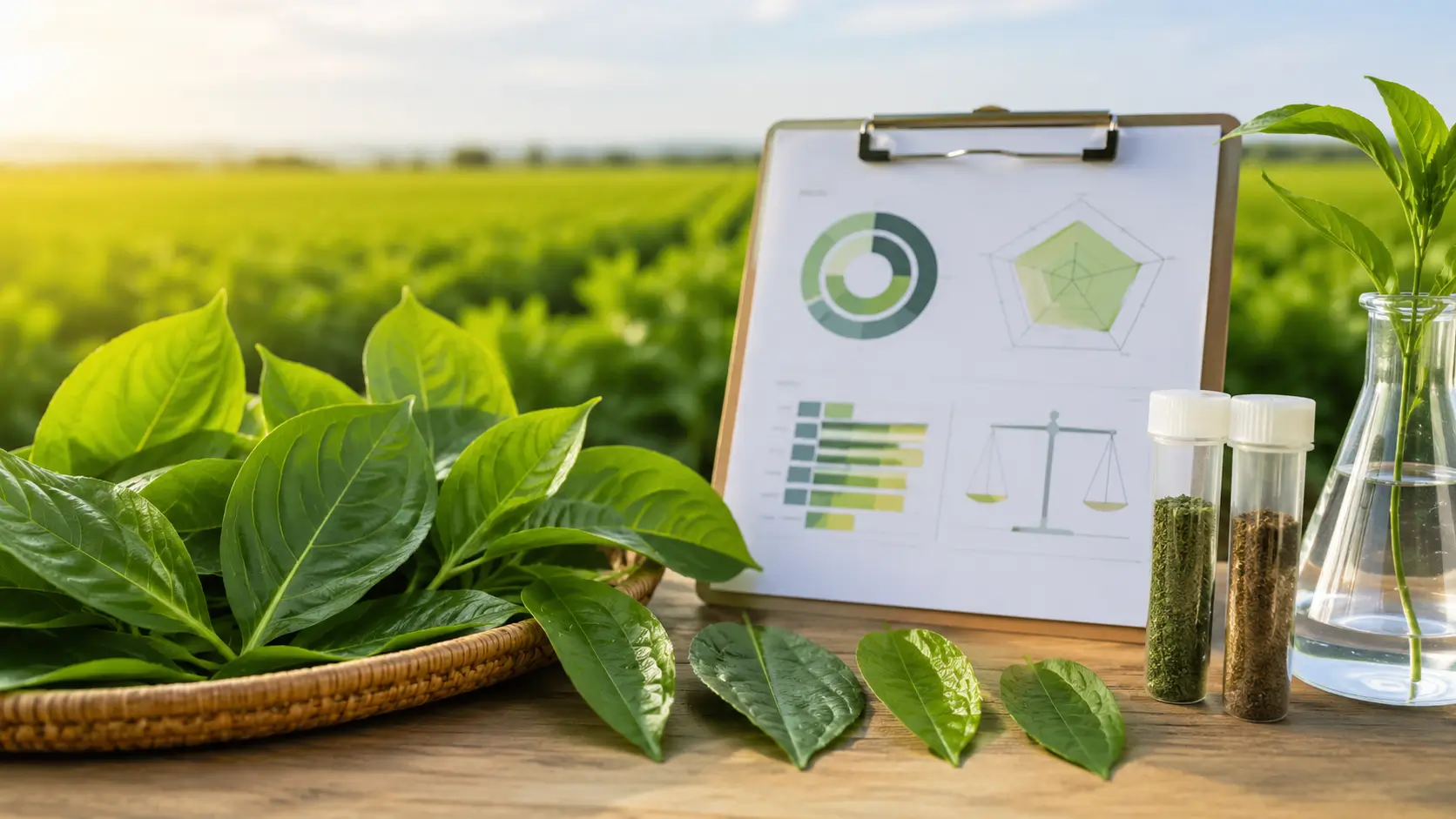
In Conclusion The first step to a successful season in ecological farming practices always starts with understanding the soil well. It is extremely important to conduct regular soil analyses to determine the current pH status and design plant nutrition programs in light of this data. It should not be forgotten that a balanced plant nutrition program implemented at the correct pH level is the most reliable key to sustainable agriculture and bountiful harvests. To fully unleash your plants’ potential, you must offer them not only the right content but also the appropriate soil conditions where they can assimilate this content.