How Nutrient Requirements Change Across Crop Growth Stages
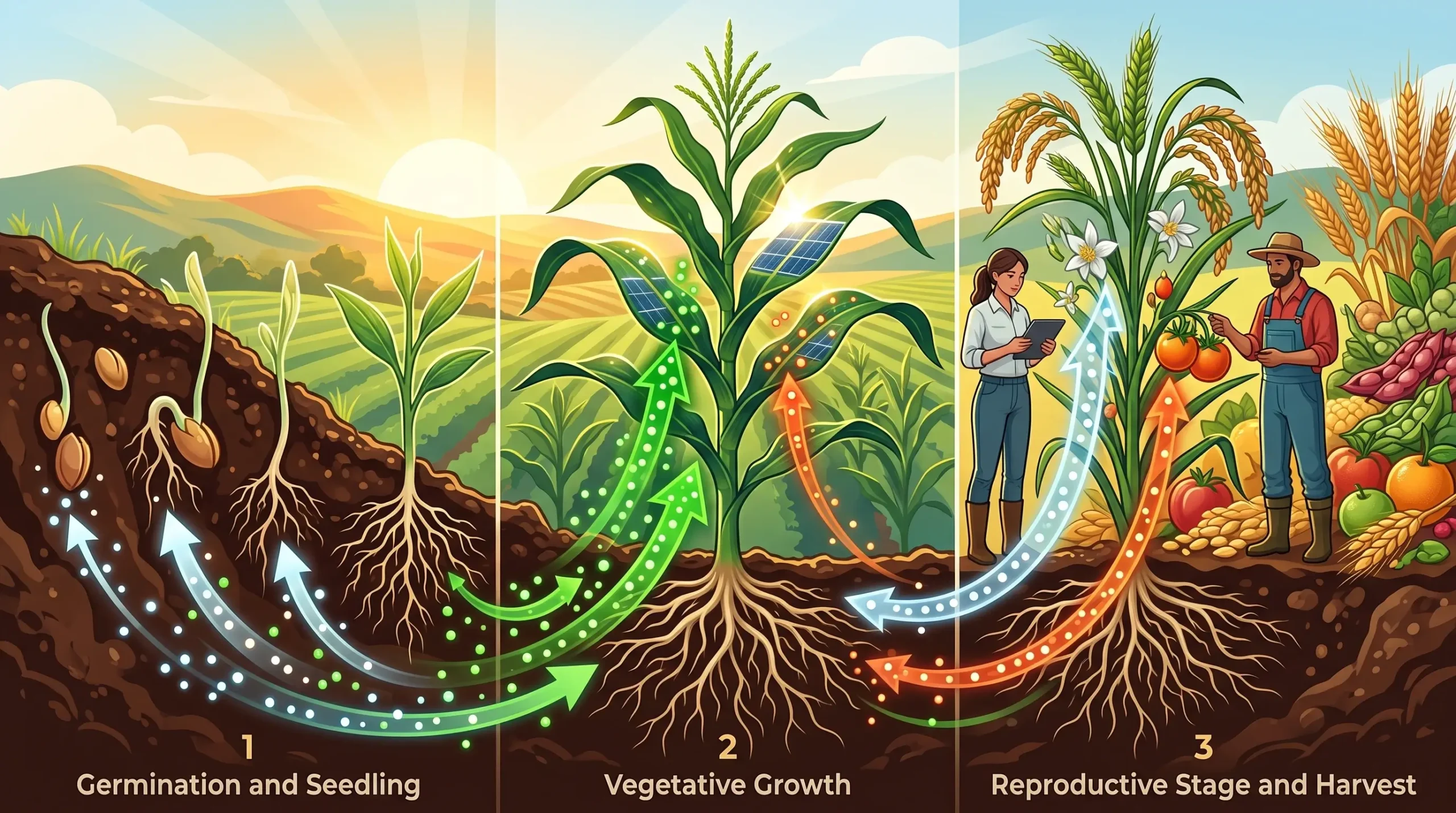
The journey of a plant begins with germination, a stage where seeds awaken and begin to grow. During this stage, the nutrient requirements are minimal, yet critical. The primary focus is on phosphorus, which plays a key role in root development and energy transfer. Without adequate phosphorus, seedlings may experience stunted growth, leading to weakened plants.
At this phase, nitrogen is also essential, albeit in smaller amounts. It supports the initial development of leaves, which are vital for photosynthesis. Ensuring the availability of these nutrients in accessible forms can set the foundation for robust growth. A balanced starter fertilizer can be a useful tool to provide these essential nutrients early on.
Vegetative Growth: Fueling Rapid Development
As the plant enters the vegetative growth stage, its demand for nutrients increases substantially. Nitrogen becomes the superstar nutrient, driving leaf growth and overall plant size. It’s during this phase that plants build their photosynthetic machinery, requiring ample nitrogen to produce chlorophyll.
Potassium also plays a significant role in this stage. It enhances photosynthesis, strengthens cell walls, and improves the plant’s ability to withstand stress. An imbalance of nutrients during vegetative growth can lead to poor structural development and reduced yield potential.
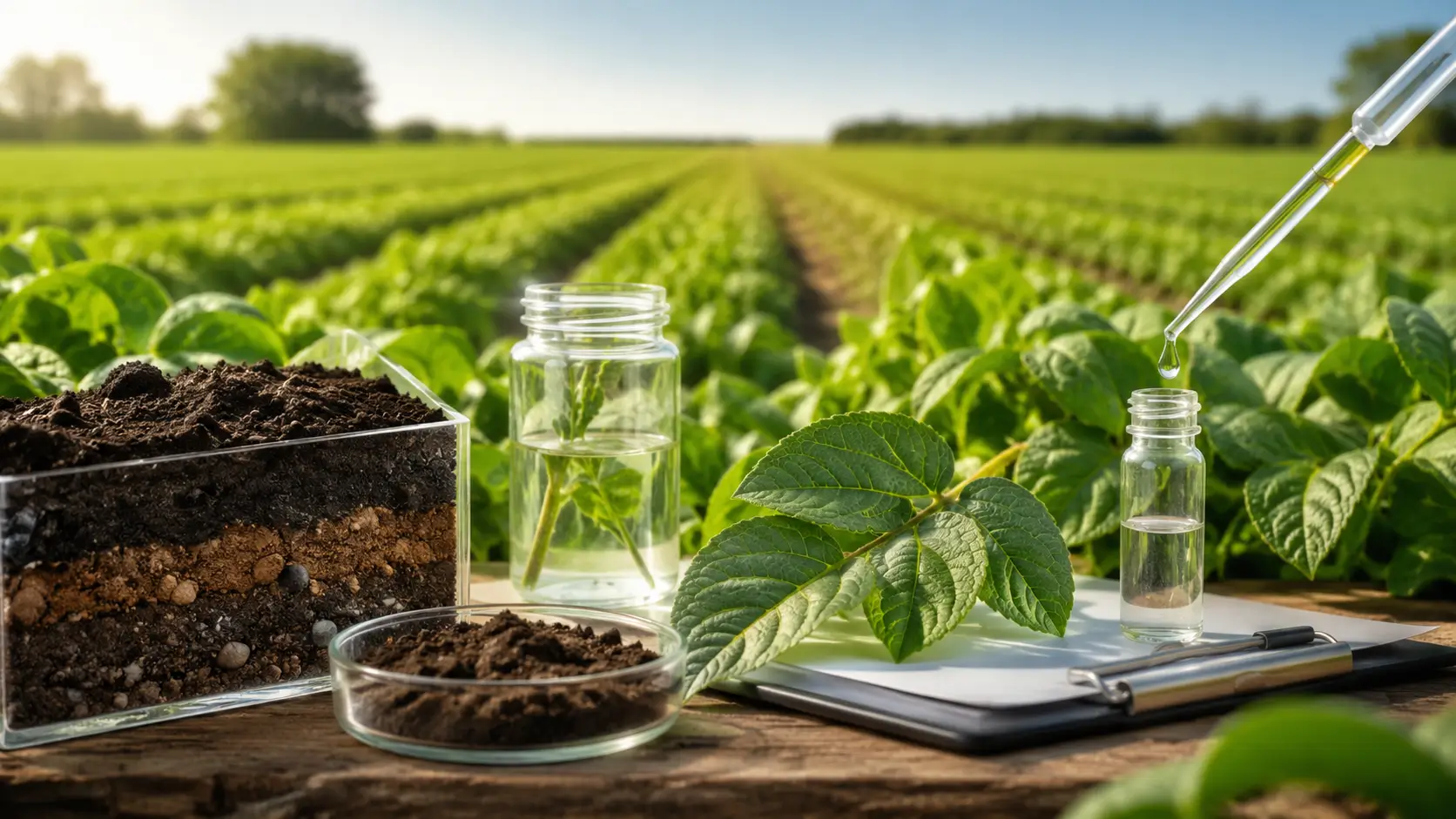
To meet these heightened demands, growers should consider a nutrient management plan that includes soil testing and tailored fertilization. Regular monitoring ensures that nutrient levels remain optimal, supporting vigorous plant growth and setting the stage for a successful reproductive phase.
Reproductive Stage: Preparing for Yield
During the reproductive stage, the focus shifts from growth to reproduction, and nutrient requirements change accordingly. While nitrogen remains important, its relative importance decreases compared to earlier stages. Instead, phosphorus and potassium become crucial for flower and fruit development.
Phosphorus is vital for energy transfer and the formation of seeds and fruits. Potassium, on the other hand, supports the synthesis of starches and sugars, improving fruit quality and resistance to diseases. A deficiency in these nutrients during the reproductive stage can lead to poor fruit set and lower yields.
Growers should adjust their fertilization strategy to ensure that phosphorus and potassium are supplied in adequate amounts. Foliar feeding can be an effective method to quickly address any nutrient deficiencies that may arise during this critical period.
Conclusion: Mastering Nutrient Management
Understanding how nutrient requirements change across crop growth stages allows growers to optimize plant health and maximize yields. By tailoring nutrient management strategies to each stage of growth, you can ensure that your crops receive the right nutrients at the right time. This proactive approach not only enhances productivity but also contributes to more sustainable farming practices.
Ready to take your crop management skills to the next level? Start by assessing your current nutrient program and consult with an agronomist to fine-tune your approach. By staying informed and adaptable, you can achieve healthier crops and higher yields season after season.