How Climate Change Is Affecting Crop Nutrition and Fertilizer Efficiency
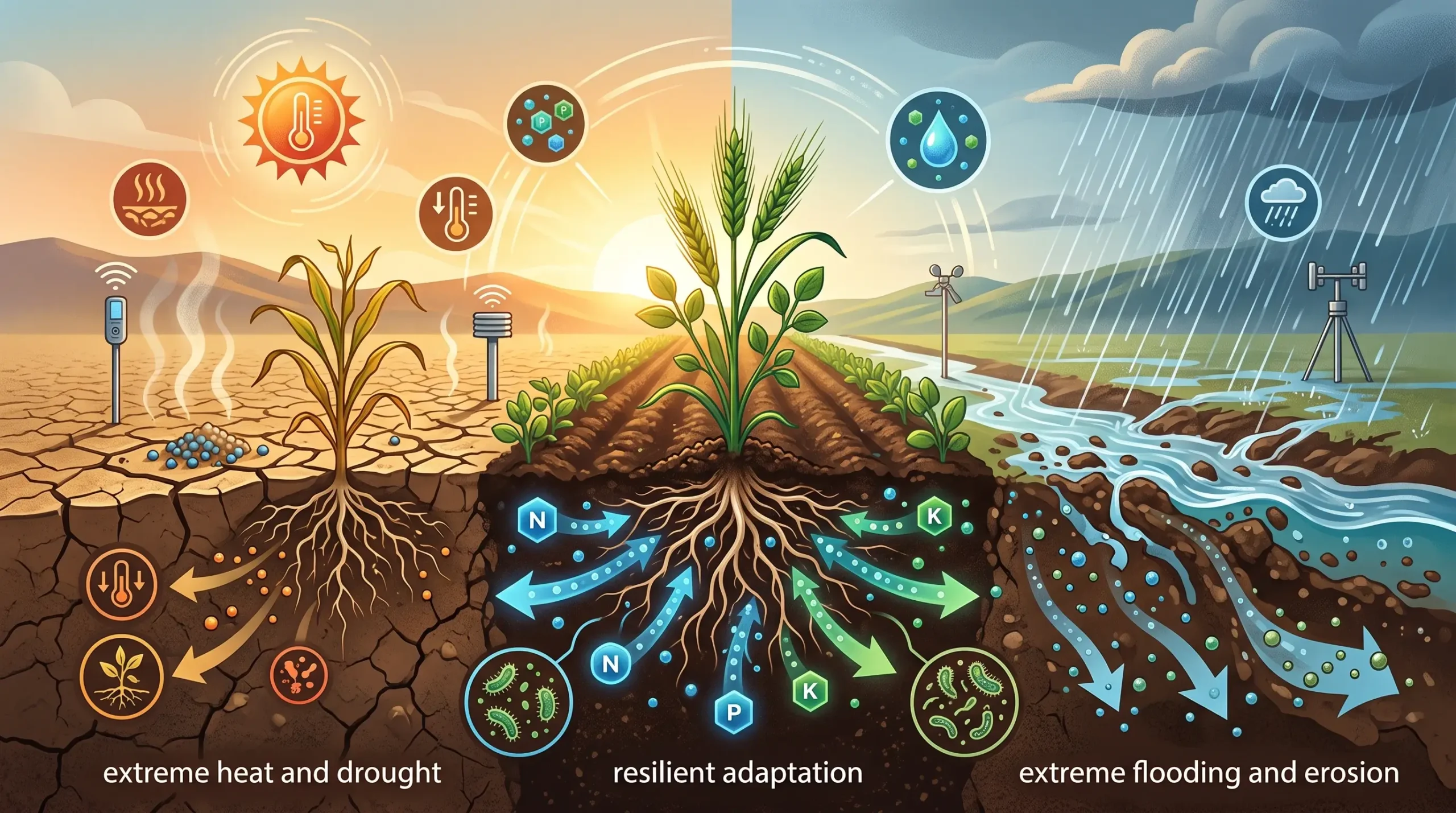
The agricultural sector is on the front lines of climate change, a force that is reshaping the landscape of crop nutrition and fertilizer efficiency. As global temperatures rise and weather patterns become unpredictable, the way crops absorb nutrients is shifting, posing challenges for growers and agronomists worldwide. Addressing these changes is crucial for maintaining crop yields and ensuring food security.
The Impact of Temperature Changes on Crop Nutrition
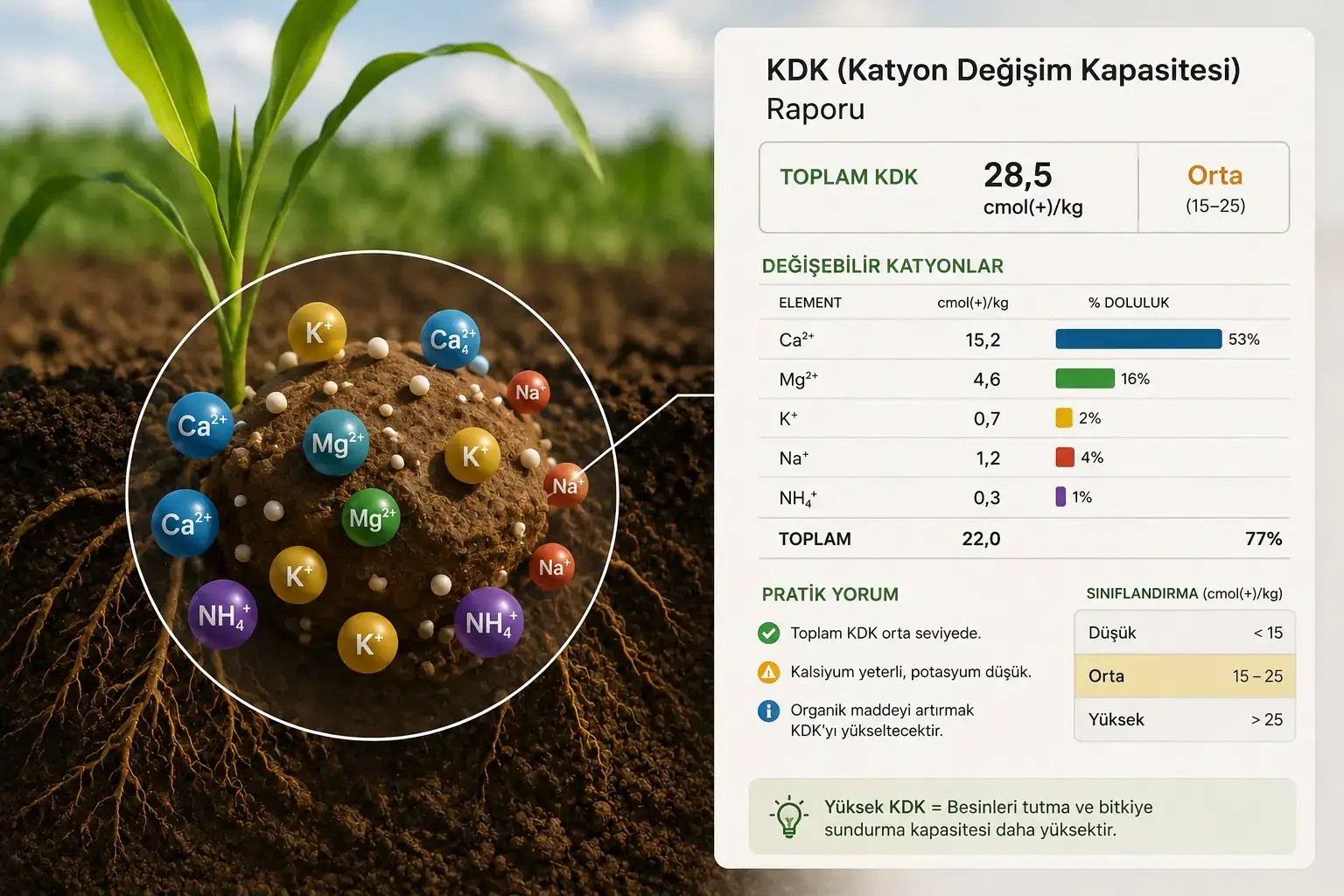
Temperature fluctuations, a hallmark of climate change, have profound effects on crop nutrition. Warmer temperatures can increase the rate of plant growth, but they can also lead to a higher demand for nutrients. As plants grow faster, they may require more nitrogen, phosphorus, and potassium than what the soil can naturally provide.
Moreover, extreme heat can alter the physiological processes of plants, affecting their ability to uptake essential nutrients from the soil. This imbalance can lead to nutrient deficiencies, which can compromise plant health and reduce yields. Growers need to adapt by adjusting fertilizer application rates and schedules to ensure crops receive the necessary nutrients in a changing climate.
Water Availability and Its Influence on Fertilizer Efficiency
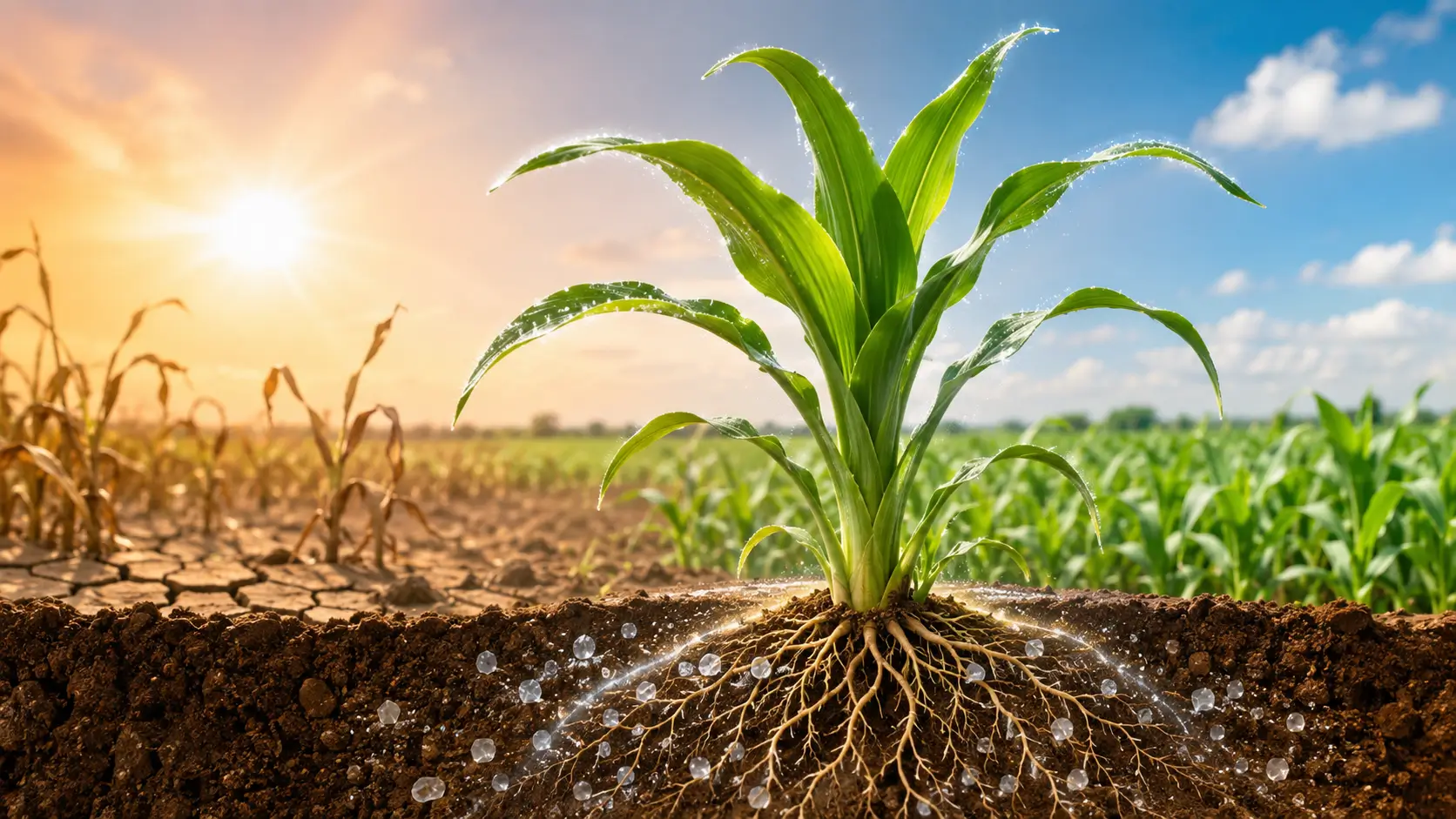
Another critical aspect of how climate change is affecting crop nutrition and fertilizer efficiency is the availability of water. Changes in precipitation patterns and the increased frequency of droughts can significantly impact soil moisture levels, which are vital for nutrient absorption.
When water is scarce, plants struggle to uptake nutrients efficiently. Drought conditions can lead to soil compaction and reduced root growth, further hindering nutrient absorption. On the other hand, excessive rainfall can lead to nutrient leaching, where essential nutrients are washed away from the soil before plants can utilize them.
To combat these challenges, growers must implement efficient irrigation practices and consider soil amendments that improve water retention. Precision agriculture technologies, such as soil moisture sensors and weather forecasting tools, can help optimize water usage and enhance fertilizer efficiency in the face of climate variability.
Soil Health and Climate Change: A Symbiotic Relationship
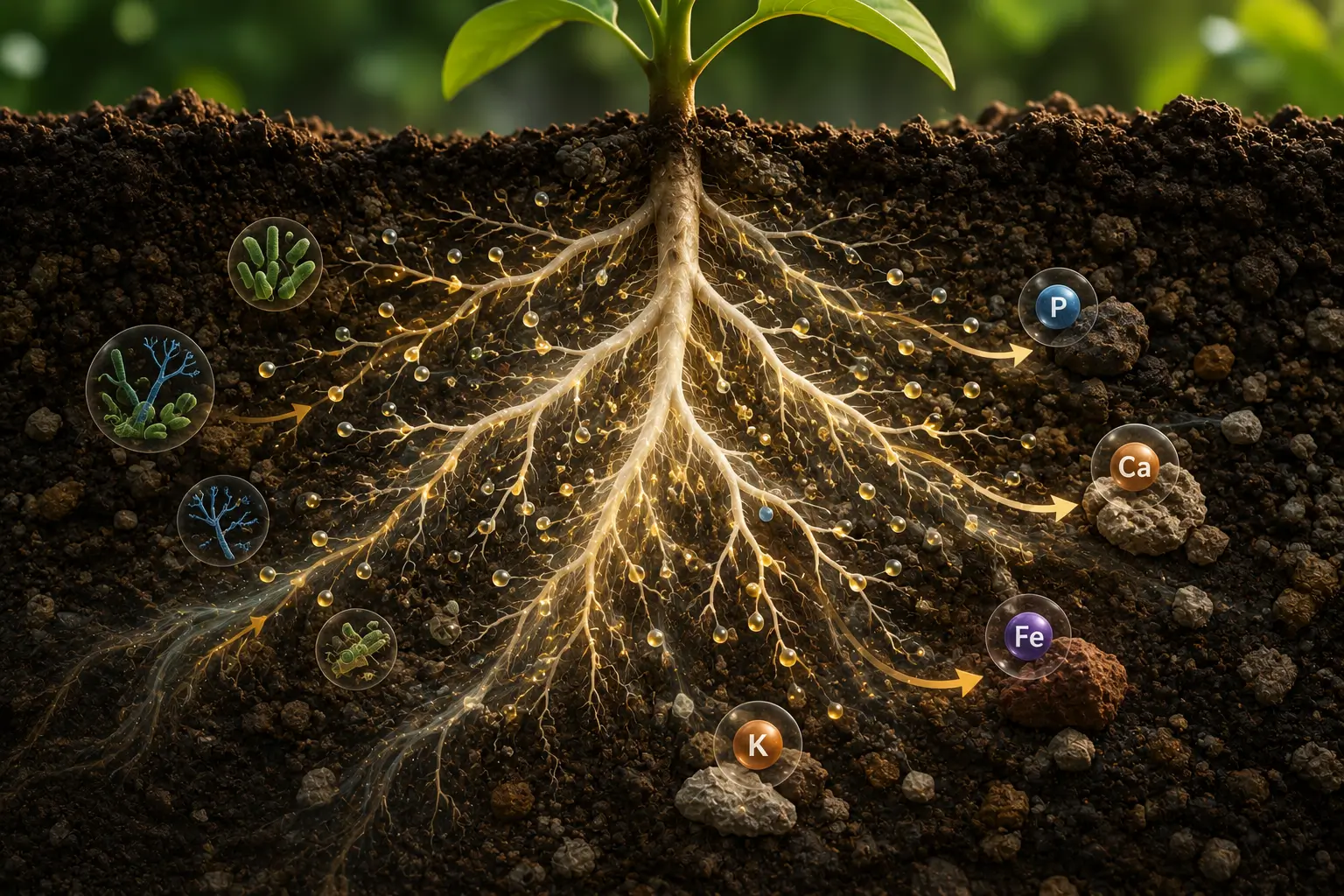
Healthy soil is the foundation of effective crop nutrition and fertilizer efficiency. However, climate change poses numerous threats to soil health. Increased temperatures and altered precipitation patterns can accelerate soil erosion, deplete organic matter, and disrupt the balance of soil microorganisms.
These changes can diminish the soil’s capacity to store and supply nutrients to crops. To counteract this, growers should adopt sustainable farming practices such as crop rotation, cover cropping, and reduced tillage. These practices can help maintain soil structure, enhance nutrient availability, and promote biodiversity, ensuring that soils remain resilient in the face of climate change.
Conclusion: Navigating the Future of Crop Nutrition and Fertilizer Efficiency
In conclusion, the effects of climate change on crop nutrition and fertilizer efficiency are complex and far-reaching. By understanding these impacts, growers and agronomists can develop strategies to mitigate risks and adapt to changing environmental conditions. Investing in technologies and practices that enhance nutrient management and soil health is essential for sustaining agricultural productivity.
As we face the challenges posed by climate change, it’s crucial to stay informed and proactive. Join the conversation and explore innovative solutions to optimize crop nutrition and fertilizer efficiency. Your efforts today can lead to more resilient agricultural systems tomorrow.