Ekolojik Tarım

ZINCER

ZINCER

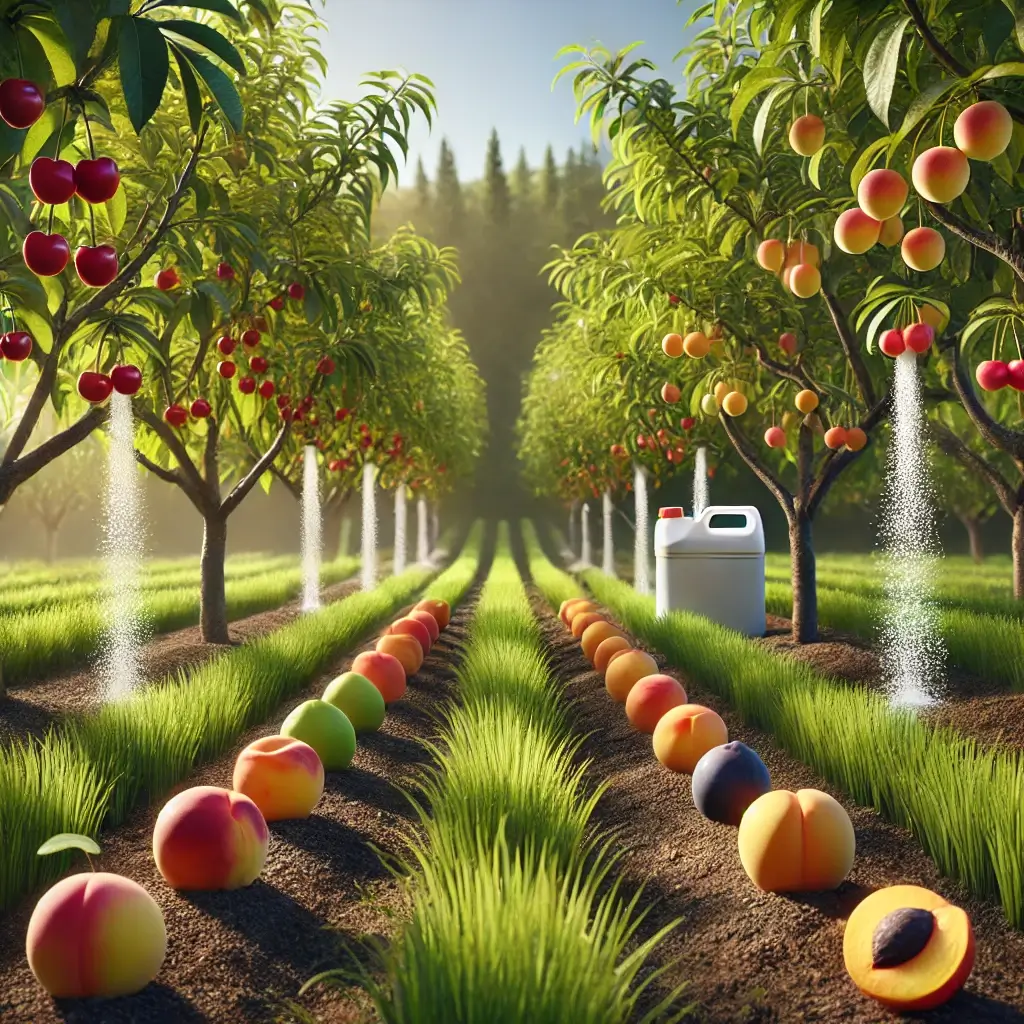
ZINCER, thanks to its special formulation, nourishes flower structures more effectively in all vegetable and fruit tree applications, resulting in BETTER FLOWER FORMATION, improved quality, and increased yield.

ZINCER: Thanks to its special formulation, it nourishes flower structures extremely well, ensuring HIGH FLOWER FORMATION, HIGH FLOWER RETENTION, and naturally VERY HIGH PRODUCTIVITY in all vegetable and fruit tree applications.

ZINCER is a special zinc compound with a unique formulation that provides maximum effectiveness and high user satisfaction. It is a highly available, specific zinc compound suitable for use in all vegetables, fruit trees, and field crops.

Due to its zinc content, ZINCER is an essential nutrient for vegetables—especially fruit trees. Zinc deficiency in fruit trees leads to significant yield and quality losses.

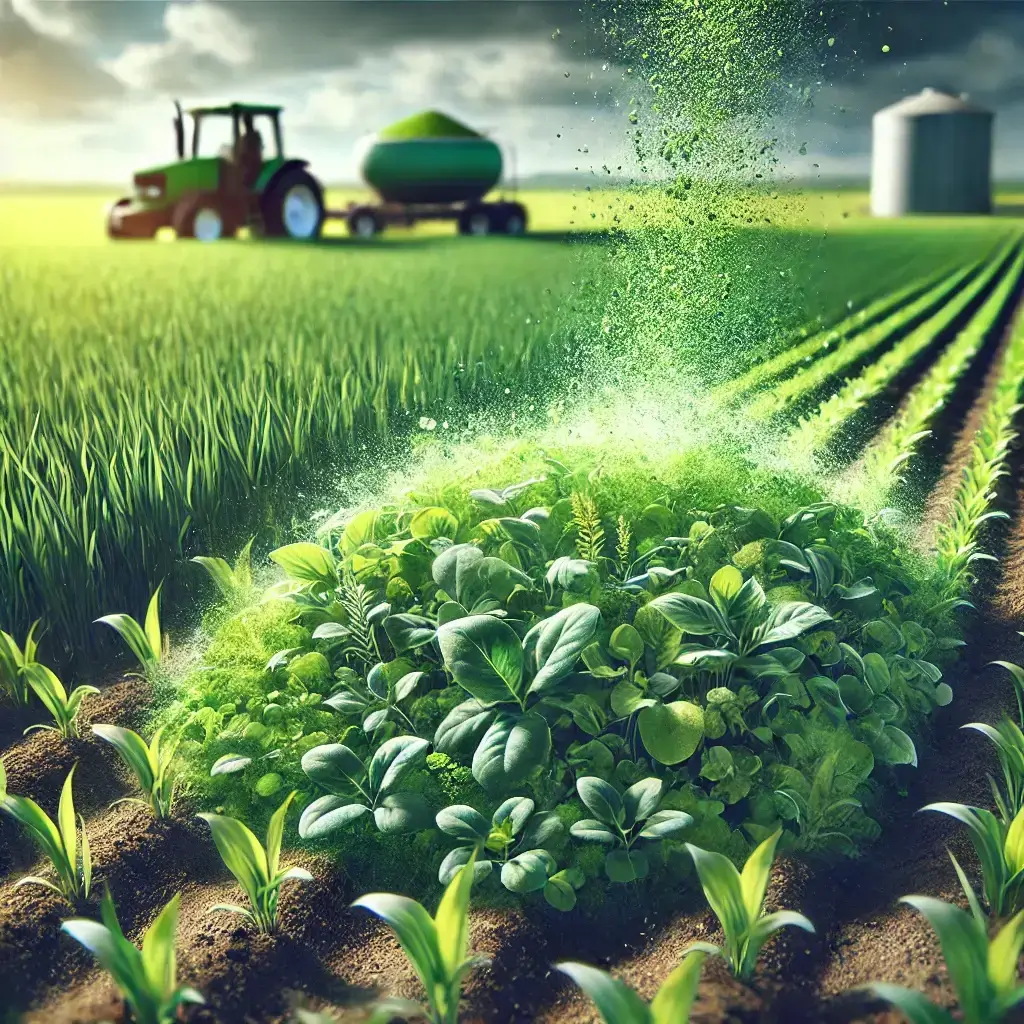
ZINCER contains zinc, which is among the micro-elements most needed by plants. Its absorption from both roots and foliage is very high.

ZINCER dissolves completely in water at recommended concentrations and does not precipitate or leave residues.

ZINCER leaves no residues or stains. The pre-harvest interval is zero days. In areas where bumblebees are used for pollination (such as greenhouses and orchards), it does not cause any adverse effects on the bees.

For Vegetables

Apply 100–150 cc per 100 liters of water starting 3 weeks after planting, then repeat every 2–3 weeks.
(For Tomato, Pepper, Cucumber, Eggplant, Zucchini, Bean, Pea, Lettuce, Onion, and Carrot)


Strawberry & Raspberry

Apply 100–150 cc per 100 liters of water before flowering and after flowering, with a 15-day interval.


Pome Fruits (Soft Stone Fruits)

Apply 200–250 cc per 100 liters of water, 3 weeks after flowering, for 2–3 applications.


Stone Fruits (Hard Stone Fruits)

Apply 200–250 cc per 100 liters of water, 3 weeks after flowering, for 2–3 applications.


Vineyards (Grapes)

Apply 100–150 cc per 100 liters of water twice, during the berry set and pea-size stages.


Citrus, Banana, and Hazelnut

Apply 200–250 cc per 100 liters of water, before flowering and after flowering, with a 15-day interval.


Cereals

Apply 125–175 cc per 100 liters of water at the tillering stage and again 15 days later.
(Wheat, Barley, Oat, Vetch, and Rice)


Industrial Crops

Apply 125–175 cc per 100 liters of water, 15 days after hoeing (first cultivation).
(Cumin, Anise, Cotton, Sugar Beet, Potato, Peanut, Tobacco, Corn, Soybean, and Lentil)


Cut Flowers (Ornamentals)

Apply 125–150 cc per 100 liters of water during the leafing stage and afterwards.

ekolojik-tarim

We achieve solutions tailored to the specific needs of your fields.

With our mission to produce innovative and sustainable solutions in the plant nutrition sector, we are shaping the future of agriculture. Considering human, plant, and environmental health, we are working towards a greener world with our products.

Modern Tarımda Mikro Besin Gübrelerinin Rolü

Adjuvant

Bayilerin Karlılığını Artırmak İçin Gübre Pazarlama Taktikleri

Macro Nutrients

Organik-Gubrelerin-Tarimdaki-Yeri-ve-Onemi-

Gel Fertilizers

Yeni Başlayan Çiftçiler için Gübre Planlaması: Topraklarınızı Verimli Hale Getirin

Salinity Removers & pH Regulators

Doğru gübre kullanımıyla verim nasıl arttırılır

Micro Nutrients

Potasyumun (K) Tarım Topraklarında Önemi Verimli Topraklar İçin Bir Anahtar

NPK Drip Fertilizers

Sert Çekirdekli Meyve Ağaçlarının Gübrelenmesi (Kiraz, Vişne, Erik, Kayısı, Şeftali, Nektarin)

Certified Organic Fertilizers

Doğru Gübre Kullanımıyla Verim Nasıl Arttırılır

Liquid Organomineral Fertilizers

×