Does Too Much Fertilizer Harm Plants?
1. Why Is Excessive Fertilization Dangerous?
1.1. Soil Imbalance
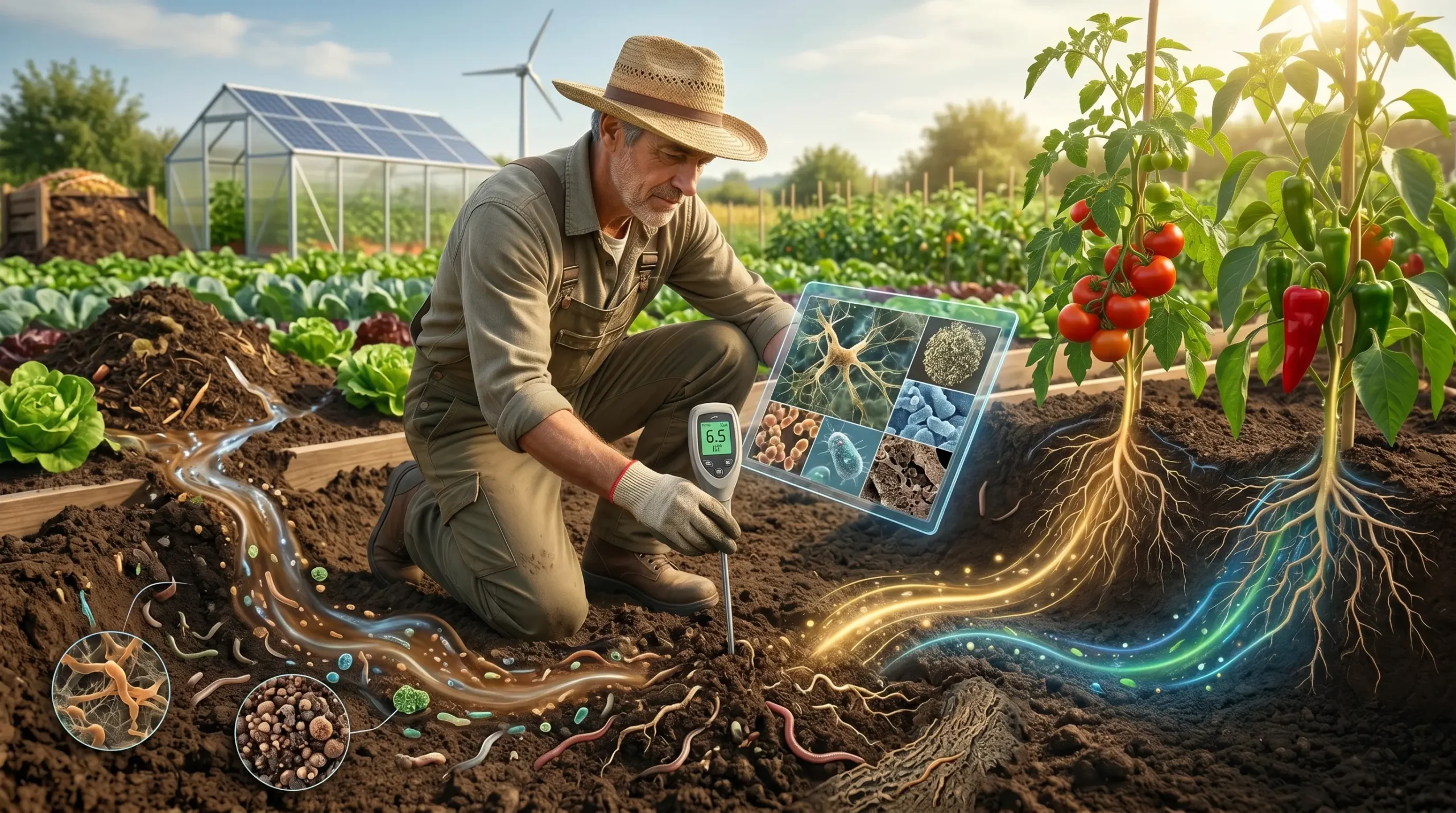
Soil is a living ecosystem. Excess fertilizer, especially chemical types, disrupts soil pH and kills microorganisms. Over time, this reduces fertility and weakens natural structure.
1.2. Salt Accumulation and Root Burn
Too much nitrogen, phosphorus, or potassium causes salt buildup in the soil, leading to “root burn.” Plants struggle to absorb water and begin to dry out, especially in greenhouse environments.
2. Signs of Over-Fertilization in Plants
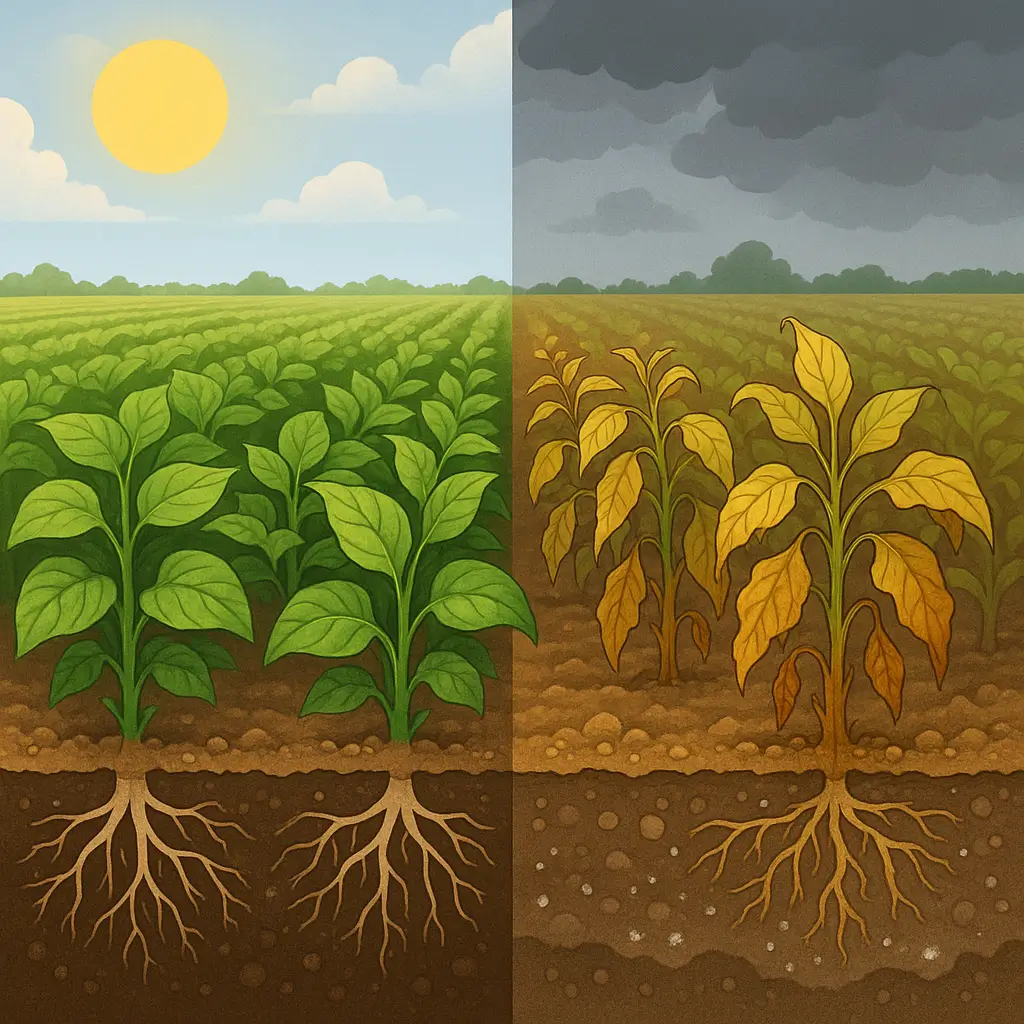
2.1. Leaf Burn and Yellowing
Plants exposed to too much fertilizer often show brown or dry leaf tips — a clear sign of root damage.
2.2. Unbalanced Growth
Excess nitrogen triggers rapid but weak growth. Plants appear lush but become fragile and less productive.
2.3. Poor Fruit Quality
Over-fertilized plants produce misshapen, tasteless fruits with short shelf life due to nutrient imbalance.
🌍 3. Environmental Impacts
3.1. Water Contamination
Excess nutrients leach into groundwater and rivers, causing eutrophication — algae blooms that suffocate aquatic life.
3.2. Climate Effects
Overuse of nitrogen fertilizers releases nitrous oxide (N₂O), a greenhouse gas 300× stronger than carbon dioxide.
4. How to Fertilize Properly
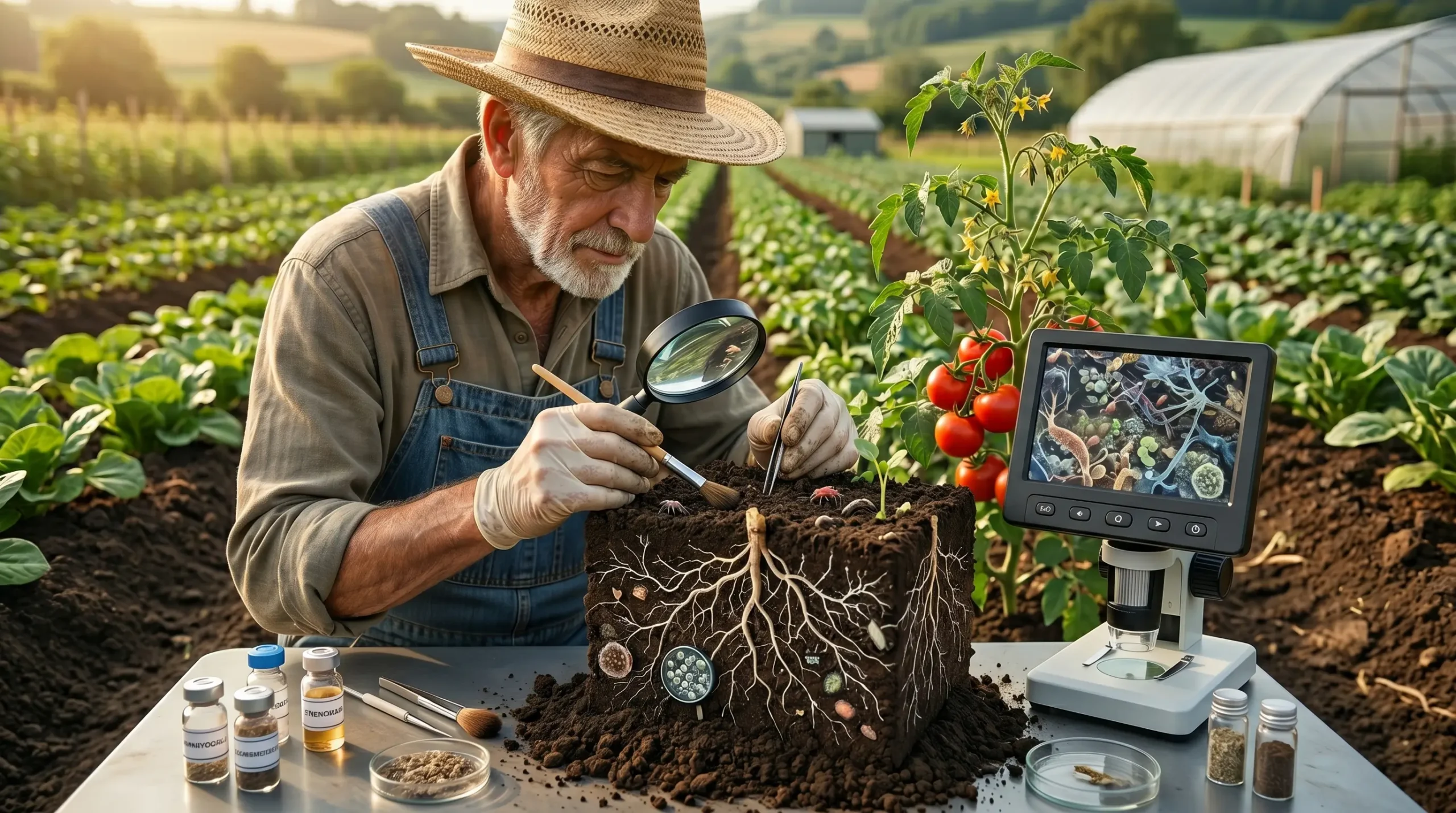
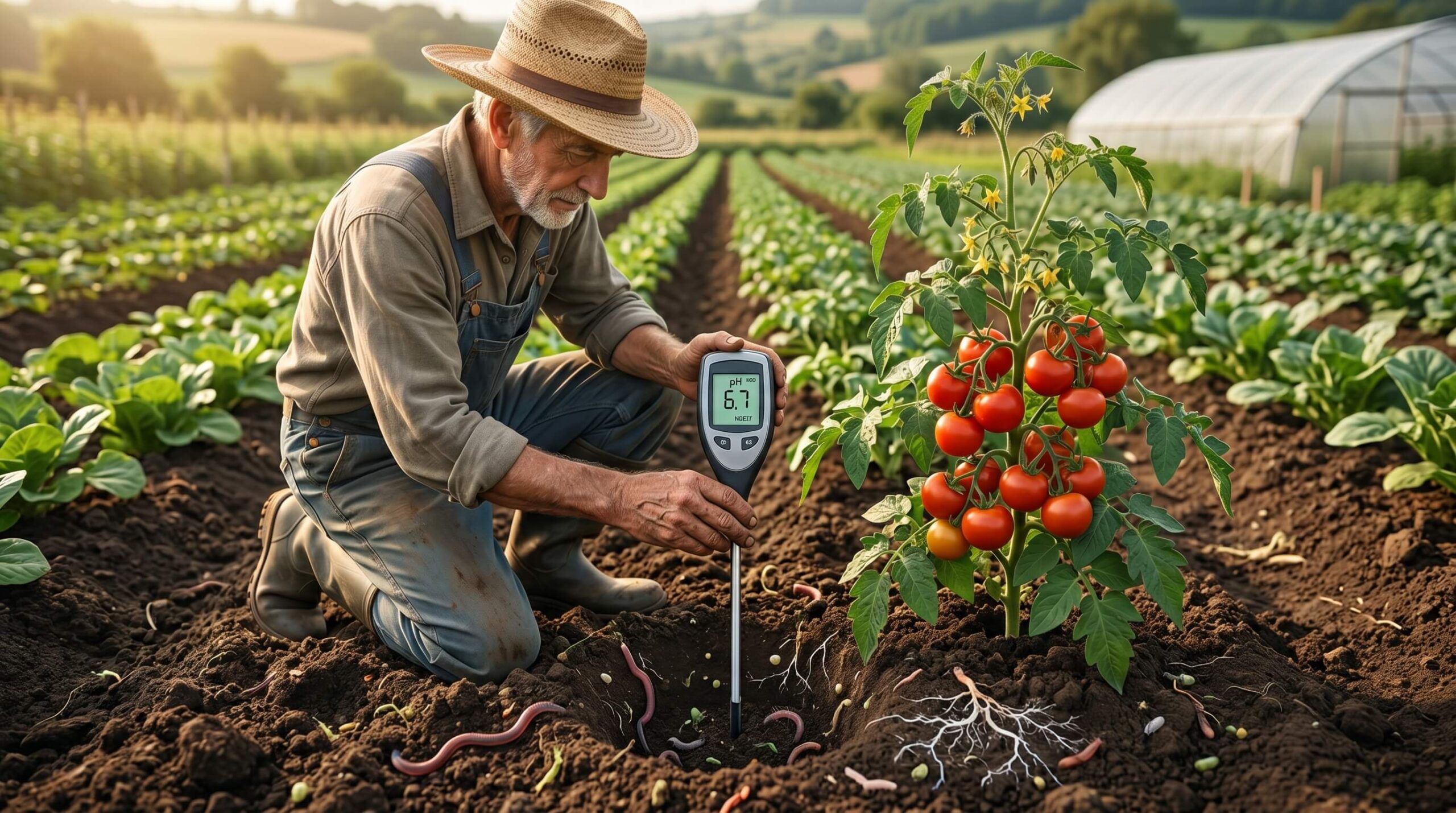
4.1. Soil Testing First
Each soil has unique nutrient needs. Laboratory analysis should guide fertilizer dosage.
4.2. Apply Gradually
Never apply large doses at once — split applications across growth stages.
4.3. Support with Organic Matter
Use compost or manure alongside chemical fertilizers to maintain soil vitality.
✅ Conclusion:
More fertilizer doesn’t mean more yield. Balanced, science-based fertilization sustains soil, plants, and our planet.