YELLOWING LEAVES MIGHT NOT BE IRON DEFICIENCY. HERE IS HOW TO TELL THE DIFFERENCE.
When you notice yellowing on your plants’ leaves, the first cause that usually comes to mind is iron deficiency. However, this symptom can often stem from other stress conditions or nutrient deficiencies. To prevent yield and quality loss in agriculture and avoid misdiagnosis and application errors, accurately identifying the source of the yellowing is of great importance. Knowing the other causes and signs of leaf yellowing that can be confused with iron deficiency allows you to make the right intervention at the right time.
Iron Deficiency and Other Causes of Leaf Yellowing Leaf yellowing is a frequently observed plant nutrition problem. Because iron plays a role in chlorophyll synthesis in plants, its deficiency causes a distinct yellowing (chlorosis) between the veins in young leaves. However, not every yellowing means iron deficiency. Various micro and macro nutrient deficiencies in the soil, especially nitrogen, magnesium, and manganese, as well as water stress, root diseases, and unbalanced fertilization, can present similar symptoms. The spread pattern, color, and timing of the leaf yellowing provide the main distinguishing clues.
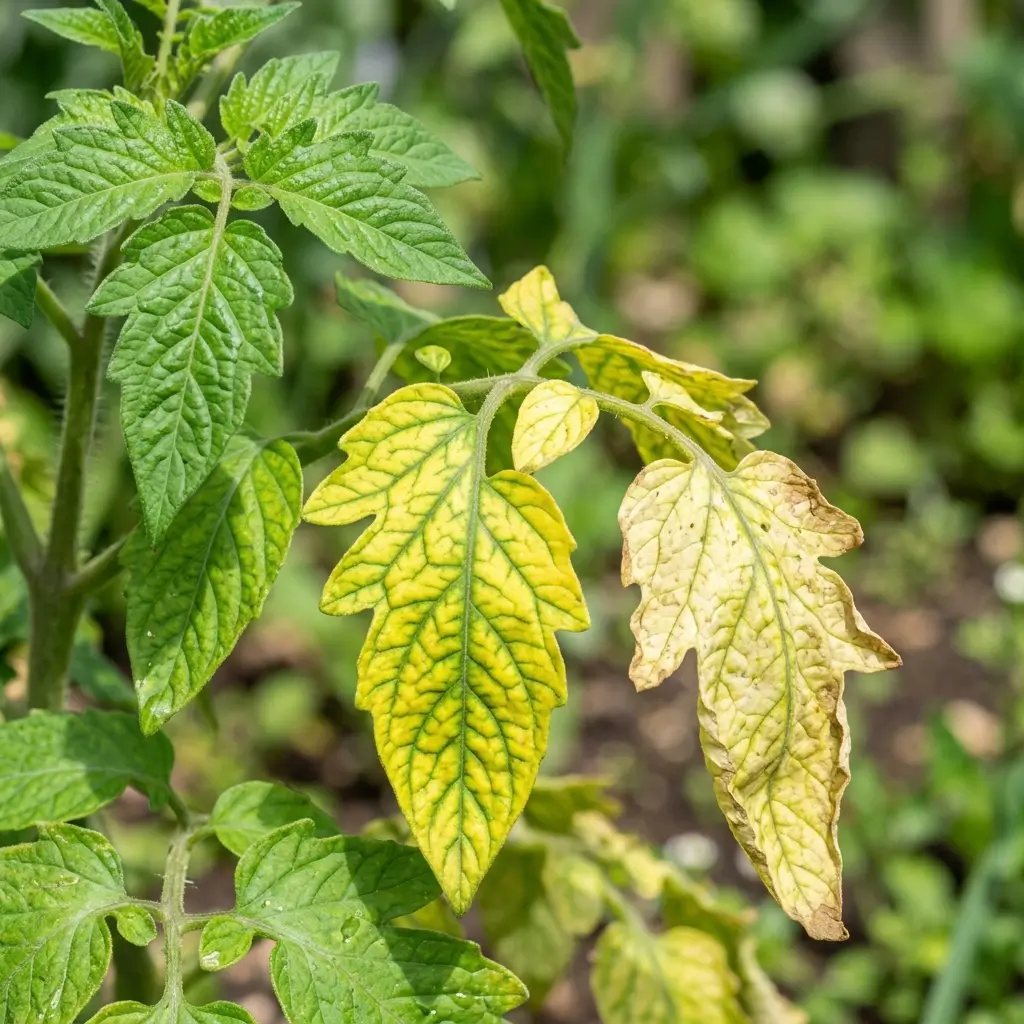
How to Identify Iron Deficiency? Iron deficiency typically begins in young, newly emerging leaves. While the leaf veins remain green, the areas between the veins turn yellow and can take on a completely white appearance. This condition is generally seen in calcareous soils with high pH values, over-irrigated areas, or poorly drained soils. Furthermore, fertilization with excessive phosphorus or calcium can also inhibit iron uptake. If the yellowing is limited only to young leaves and the older leaves are healthy, iron deficiency is highly likely.
Misdiagnosis: Nitrogen and Magnesium Deficiencies One of the most common nutrient deficiencies confused with iron deficiency is nitrogen inadequacy. In nitrogen deficiency, yellowing usually starts in the lower and older leaves, turning into a widespread and homogeneous light yellow color across the entire leaf. Magnesium deficiency, on the other hand, is accompanied by yellowing between the veins in older leaves, but the veins and their surroundings generally remain green. Unlike iron deficiency, the lower leaves of the plant are affected first in magnesium and nitrogen deficiencies.
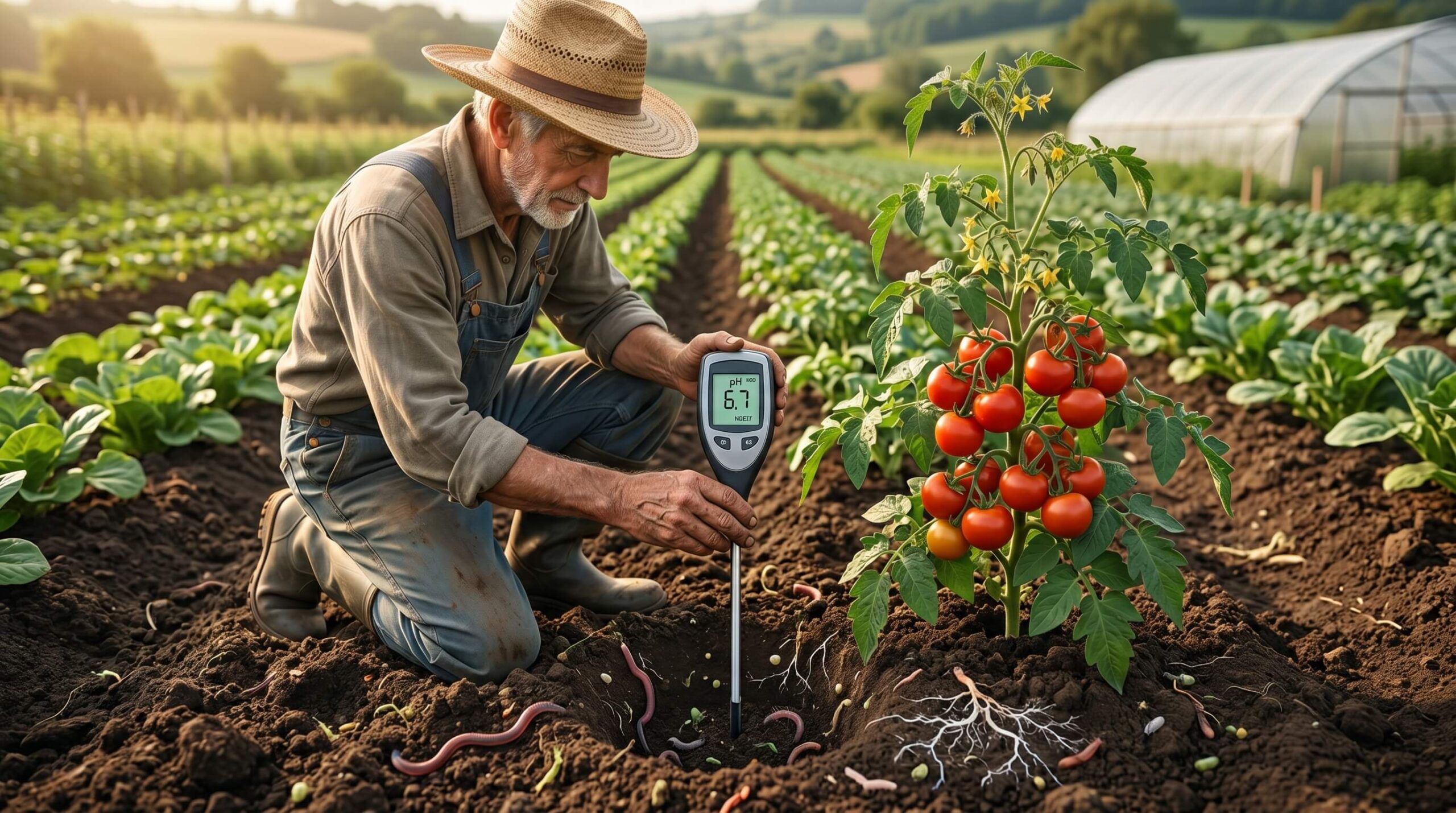
Environmental and Agricultural Application Errors In field applications, ignoring soil structure and environmental conditions leads to diagnostic errors. Stress factors such as over-irrigation, compacted soil, and a lack of root aeration disrupt the plant’s nutrient uptake and can cause color changes in the leaves. Making unnecessary iron applications in such areas can result in both economic loss and environmental pollution. Soil and leaf analyses serve as a guide in identifying the real problem. In particular, a rise in pH limits the uptake of most micronutrients; this situation can manifest itself as leaf yellowing.
Stress Conditions and the Importance of Leaf Analysis Conditions such as water stress, sudden temperature changes, salinity, or heavy metal accumulation in the soil also cause leaf yellowing. In stress-induced yellowing, the leaf tissue generally weakens, and deformities or burns can be observed. In this case, the overall nutritional and health status of the plant should be analyzed. Leaf analysis is the most reliable way to determine which mineral is deficient in the plant. Thus, unnecessary and ill-timed fertilization applications are prevented.
When and How to Intervene for an Accurate Diagnosis? When yellowing symptoms appear on the leaves, instead of hastily applying iron fertilizer, it is necessary to first have soil and leaf analyses conducted. Based on the analysis results, the actual needs of the plant should be determined, and if necessary, an appropriate fertilization program should be applied to ensure a micronutrient balance. Every plant and soil has different needs; therefore, there is no universal solution. Furthermore, the timing of the application is of great importance. Interventions made especially during the active growth periods of the plant yield more efficient results.
Short Conclusion When encountering leaf yellowing, iron deficiency should not be the only factor considered; a multidimensional evaluation of nutrition, stress, and environmental impact must be made. With an accurate diagnosis and prompt intervention, agricultural yield and quality can be preserved at the highest level. Regular analysis and conscious agricultural practices are of great importance in determining the underlying cause of leaf yellowing.