Balanced Use of Macro and Micro Elements in Ecological Cultivation
“Balanced Use of Macro and Micro Elements in Ecological Cultivation” is the most fundamental agricultural strategy that ensures your plants reach high quality and yield by fully receiving the nutrients they need at all developmental stages. Plants, just like humans, need various nutrients to maintain a healthy life cycle, develop strong roots, and produce bountiful fruits. Soil is a massive, living pantry where these nutrients are stored. However, for the plant to take the materials from this pantry at the right time, in the right proportion, and without hindering each other, a conscious ecological feeding program is essential. In nature, no element works miracles alone; true success comes from all macro and micro elements working in an orchestral harmony.
Macro Elements: The Basic Building Blocks of the Plant Macro elements are the primary elements plants need in the highest amounts to form their cellular structure: Nitrogen (N), Phosphorus (P), and Potassium (K).
-
Nitrogen (N): Acts as the engine for the development of the plant’s green parts. In ecological farming, entirely organic and slow-release sources like compost or green manuring are preferred to protect the soil’s natural structure.
-
Phosphorus (P): The powerhouse of the plant. It directly manages root development, early growth, flowering, and seed formation.
-
Potassium (K): The quality and stress manager of the plant. Fruit size, color formation, aroma, taste, and the control of stomata (pores) that adjust the plant’s water balance against environmental challenges are entirely the responsibility of potassium.
Secondary Macro Elements: Skeleton and Metabolism Support Calcium (Ca), Magnesium (Mg), and Sulfur (S) maintain the plant’s cellular skeleton and metabolism. Calcium is the cement of cell walls, physically hardening tissues. Magnesium is at the very center of the chlorophyll molecule; without it, photosynthesis stops. Sulfur is indispensable for protein synthesis and plays a critical role in slowly regulating soil pH balance through ecological methods.
Micro Elements (Trace Elements): Small but Powerful Catalysts Micro elements are metabolic catalysts needed in very small amounts: Iron (Fe), Zinc (Zn), Manganese (Mn), Boron (B), Copper (Cu), and Molybdenum (Mo). Zinc ensures the synthesis of plant hormones, while Boron works shoulder-to-shoulder with calcium in building cell walls and directly affects fruit set. Adding rich organic matter and high-quality humic/fulvic acid to the soil is the most reliable way to facilitate the uptake of these trace elements.
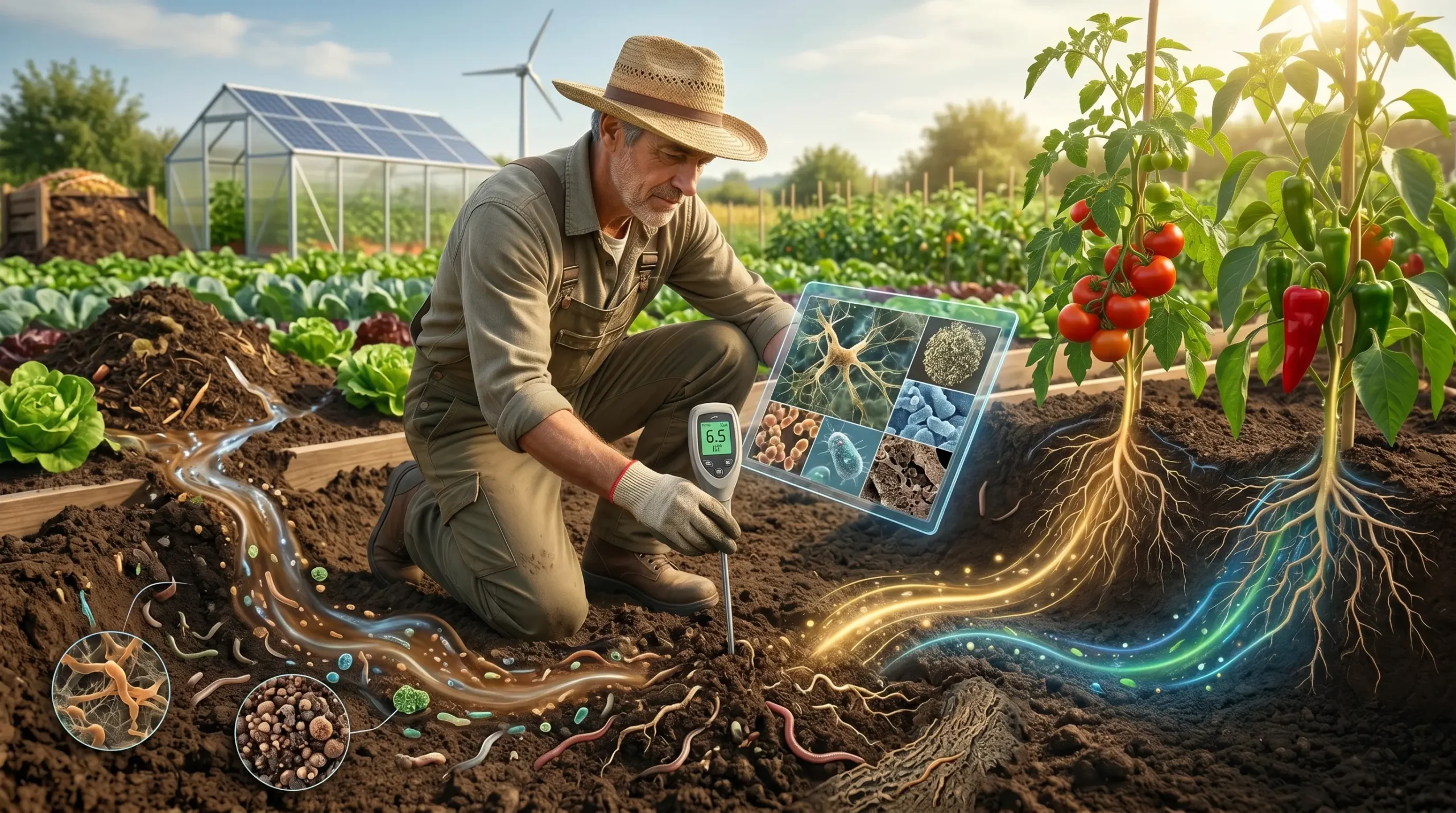
The Role of Organic Sources in Ecological Feeding Using nature’s own organic cycle while establishing the macro and micro element balance is the heart of ecological farming. Seaweed extracts, worm castings, and leonardite-sourced regulators not only provide nutrients to the soil but also feed the beneficial microorganisms that will carry these elements to the plant roots.
Liebig’s Law of the Minimum and Perfect Balance The most famous rule explaining the importance of nutrient balance is the “Law of the Minimum.” According to this law, a plant’s growth and harvest capacity are determined not by the most abundant element in the soil, but by the least available (deficient) element. Therefore, in ecological farming, “balanced and proportional fertilization” suitable for the soil structure is essential.
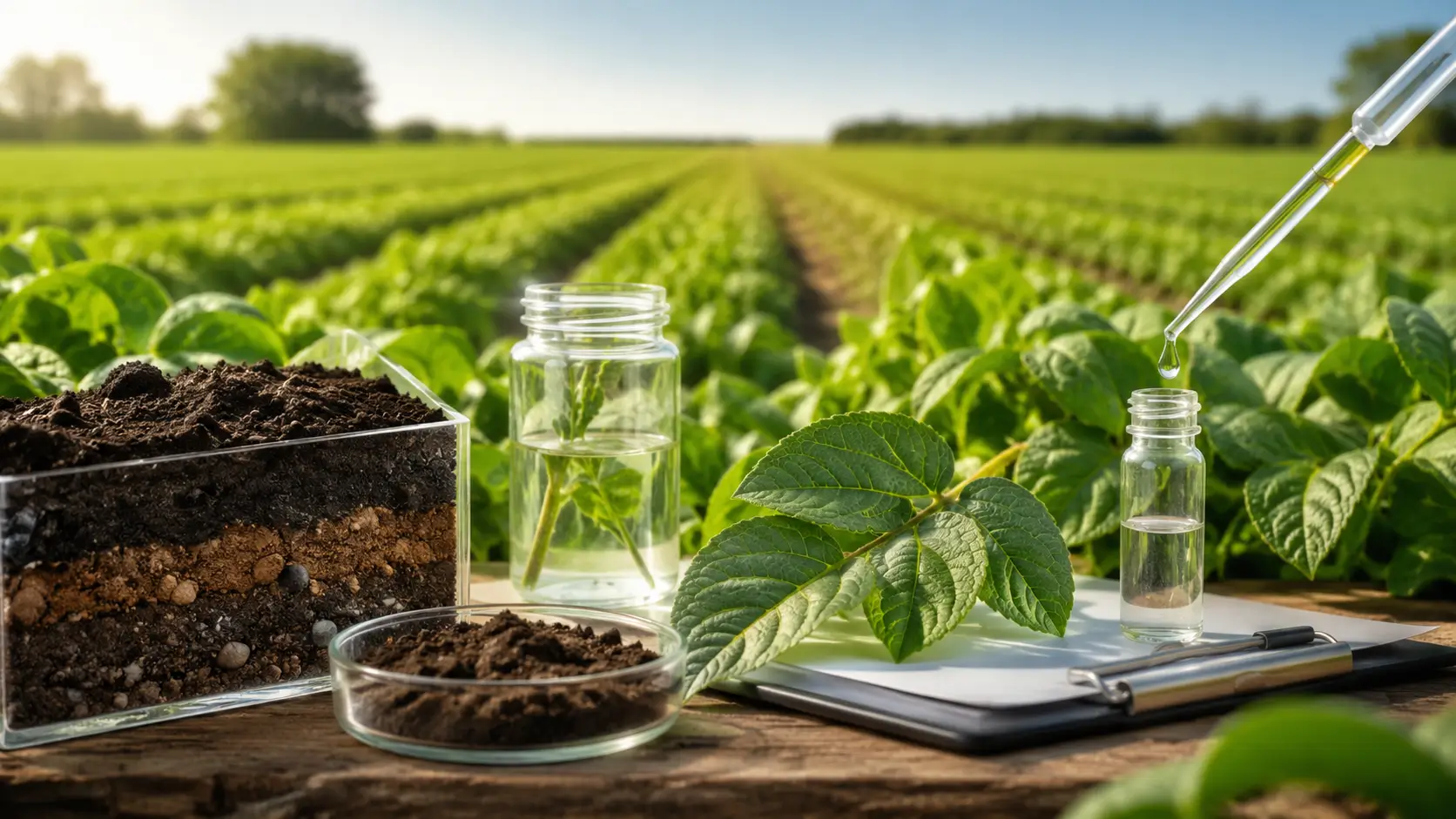
In Conclusion A successful season in ecological cultivation comes from understanding the language of the soil by conducting regular soil analyses. Using the elements nature offers us without disrupting ecological balances is the only way to achieve high yields.