Regenerative Agriculture and Crop Nutrition: Are They Compatible?
The agricultural landscape is evolving rapidly, with regenerative agriculture gaining traction as a sustainable farming practice. But how does it align with crop nutrition, a critical component for plant growth and yield? This question poses a significant challenge and opportunity for growers and agronomists aiming to balance environmental health with agricultural productivity.
Understanding Regenerative Agriculture
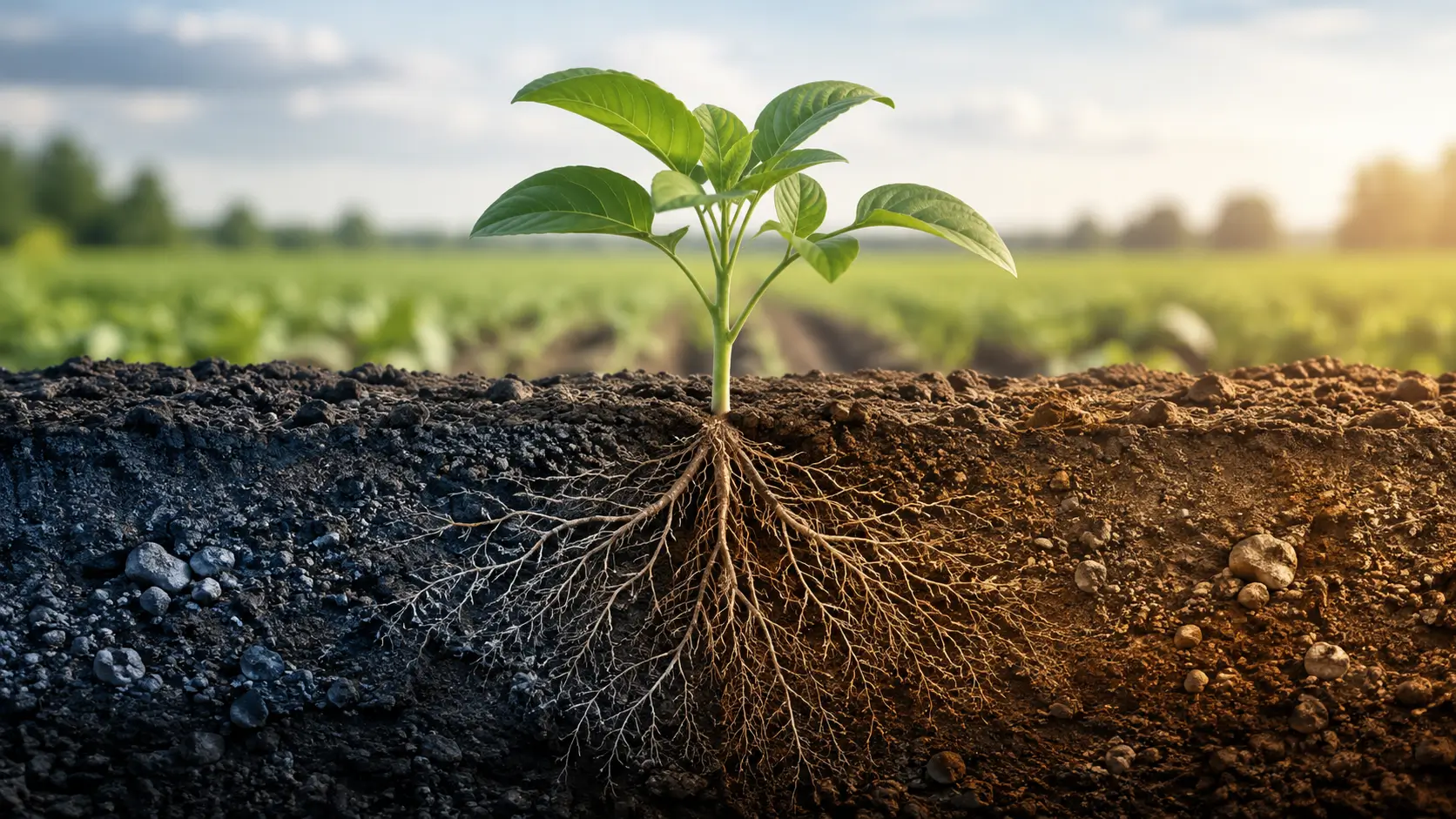
Regenerative agriculture is more than a set of practices; it is a holistic approach aimed at restoring and enhancing the health of agricultural ecosystems. By focusing on soil health, biodiversity, and water management, it seeks to create a sustainable farming environment. Techniques like cover cropping, reduced tillage, and rotational grazing are core elements of regenerative agriculture. These practices are designed to improve soil organic matter and increase soil carbon sequestration, leading to healthier crops and more resilient farming systems.
The Role of Crop Nutrition in Farming
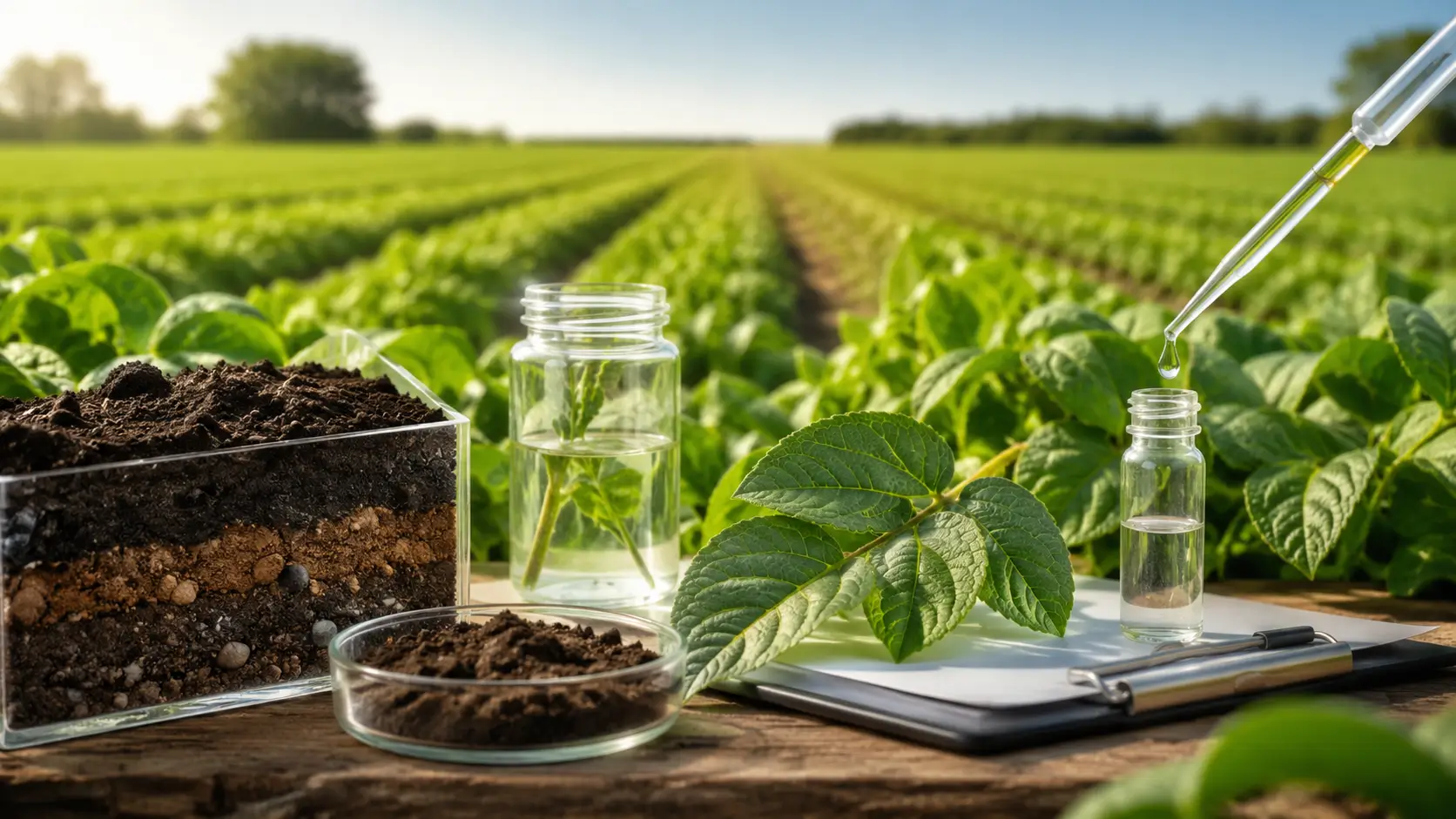
Crop nutrition is essential for the growth and development of plants. It involves the careful management of nutrients like nitrogen, phosphorus, and potassium, which are vital for crop yield and quality. Traditional farming methods often rely on synthetic fertilizers to supply these nutrients, but this can lead to soil degradation and environmental harm. As farmers adopt regenerative practices, the question arises: can regenerative agriculture and crop nutrition work in harmony?
Integrating Crop Nutrition with Regenerative Practices
The compatibility of regenerative agriculture and crop nutrition lies in the innovative integration of these practices. By focusing on soil health, regenerative farming naturally enhances the soil’s nutrient availability. Legume cover crops, for instance, can fix atmospheric nitrogen, reducing the need for synthetic fertilizers. Similarly, composting and organic amendments can improve soil structure and nutrient content, supporting sustainable crop nutrition.
Moreover, adopting precision agriculture technologies can optimize the application of nutrients, ensuring that crops receive what they need without over-fertilizing. This approach not only supports plant health but also minimizes environmental impacts, aligning with the principles of regenerative agriculture.
Benefits and Challenges
The integration of regenerative agriculture and crop nutrition brings numerous benefits. Healthier soils lead to increased nutrient uptake, resulting in improved crop yields and quality. This synergy also enhances biodiversity, promotes water retention, and reduces greenhouse gas emissions, contributing to a more sustainable agricultural system.
However, challenges remain. Transitioning to regenerative practices requires time, knowledge, and investment. Farmers may face initial yield reductions as they adjust to new methods. Additionally, there is a need for ongoing research to develop nutrient management strategies that complement regenerative practices effectively.
Conclusion: A Harmonious Future
Regenerative agriculture and crop nutrition are indeed compatible, offering a pathway to sustainable and productive farming. By embracing practices that enhance soil health and optimize nutrient management, farmers can achieve a balanced ecosystem that supports both the environment and agricultural productivity. As we move forward, collaboration between researchers, agronomists, and growers will be crucial to refine these practices and realize their full potential.
For those interested in exploring regenerative agriculture and crop nutrition further, consider reaching out to local agricultural extension services or joining farming networks dedicated to sustainable practices. Stay informed and become part of the movement toward a more resilient agricultural future.