Soil Chemistry and Nutrient Antagonism in Ecological Farming: A Comprehensive Guide
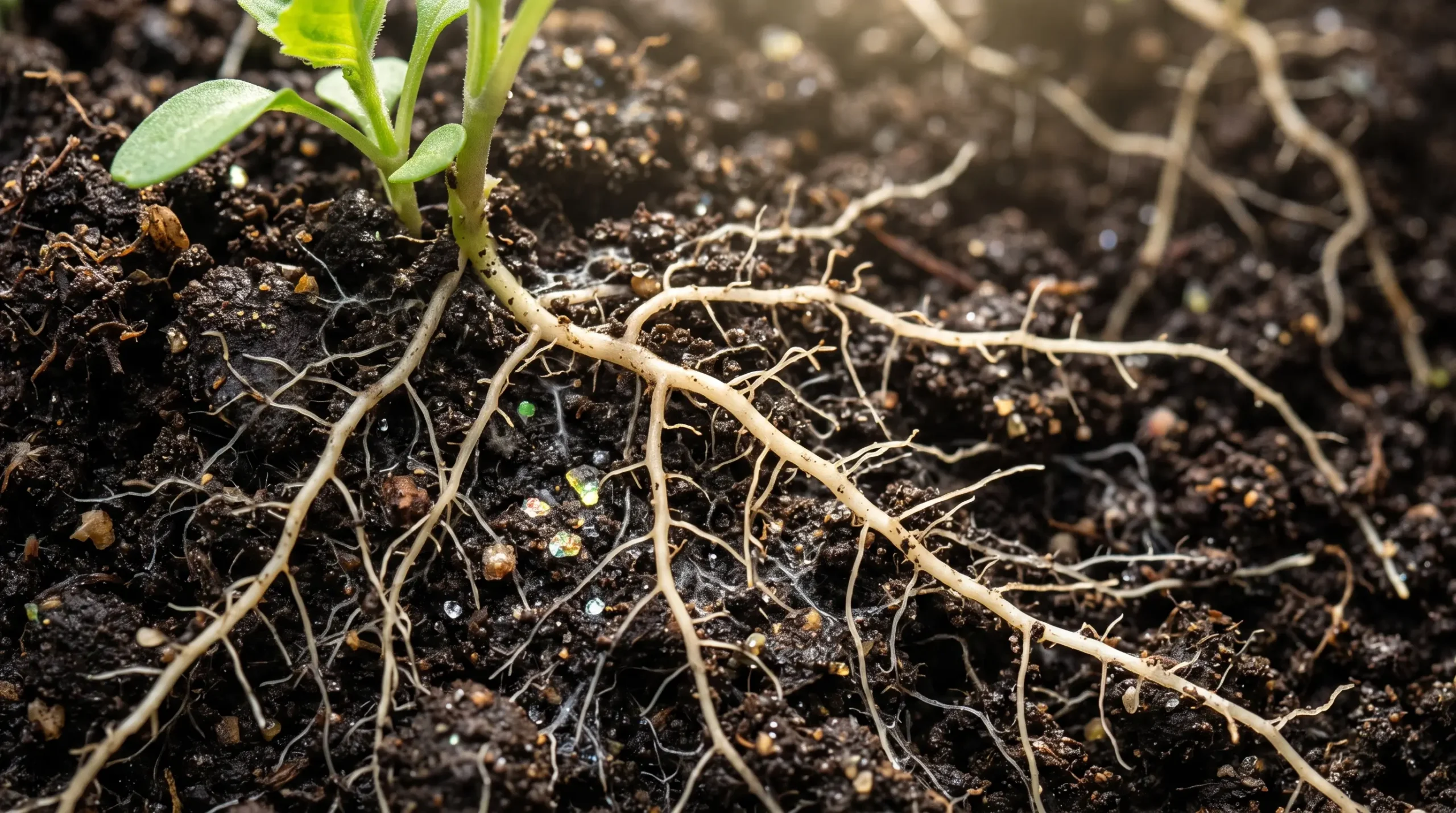
Soil is not just a lifeless layer we walk upon; it is a massive, living ecosystem composed of billions of microorganisms, fungal networks, minerals, and water. The core philosophy of ecological farming is based on feeding this “living soil” rather than just feeding the plant directly.
However, while feeding the soil, the complex relationships and chemical languages between elements must never be overlooked. In this blog post, we deeply explore soil chemistry and nutrient antagonism, which are among the most critical keys to achieving high yield and success in ecological farming.
1. The Secret Life of Soil and the Ionic Balance Network
The underground world operates like a chemistry laboratory with its own rules, heavily reliant on a delicate balance. In this lab, nutrient elements are in constant interaction to transform into forms that plants can utilize.
-
Soil as a Living Organism: Soil is a dynamic matrix made up of minerals, organic matter (humus), air, and water. A handful of healthy ecological soil contains more microorganisms than there are humans on Earth. These living beings break down rocks, release minerals, and make them available for plants. The vitality of the soil is the main engine of its chemical processes.
-
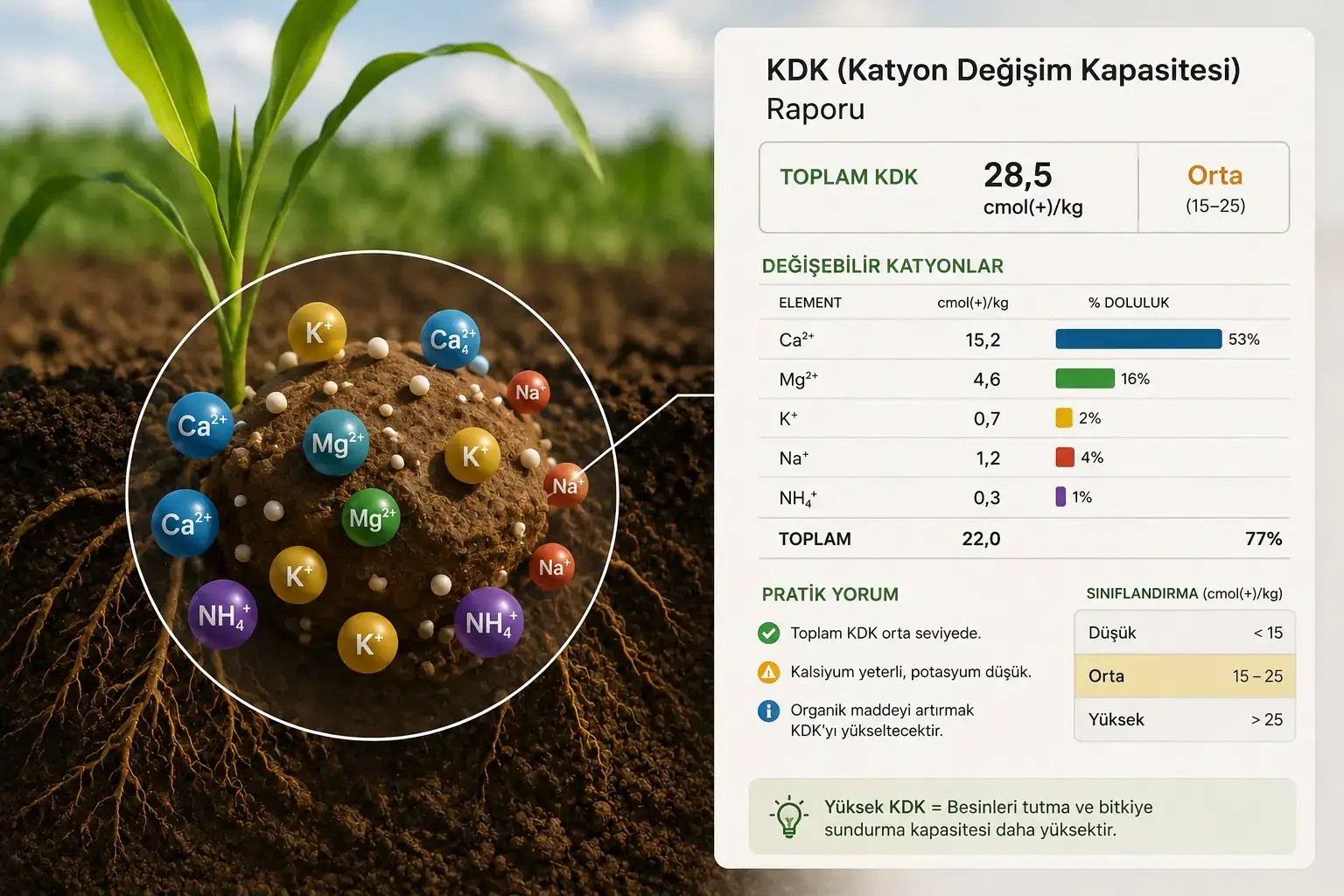
Why is Cation Exchange Capacity (CEC) Important?: Soil particles (especially clay and humus) have a negative electrical charge. These negative charges act like magnets, attracting and holding positively charged ions (cations) such as calcium (Ca++), magnesium (Mg++), and potassium (K+). The soil’s ability to hold these elements and supply them to the plant is called CEC (Cation Exchange Capacity). In ecological farming, adding organic matter means increasing the CEC, thereby expanding the soil’s nutrient reservoir.
-
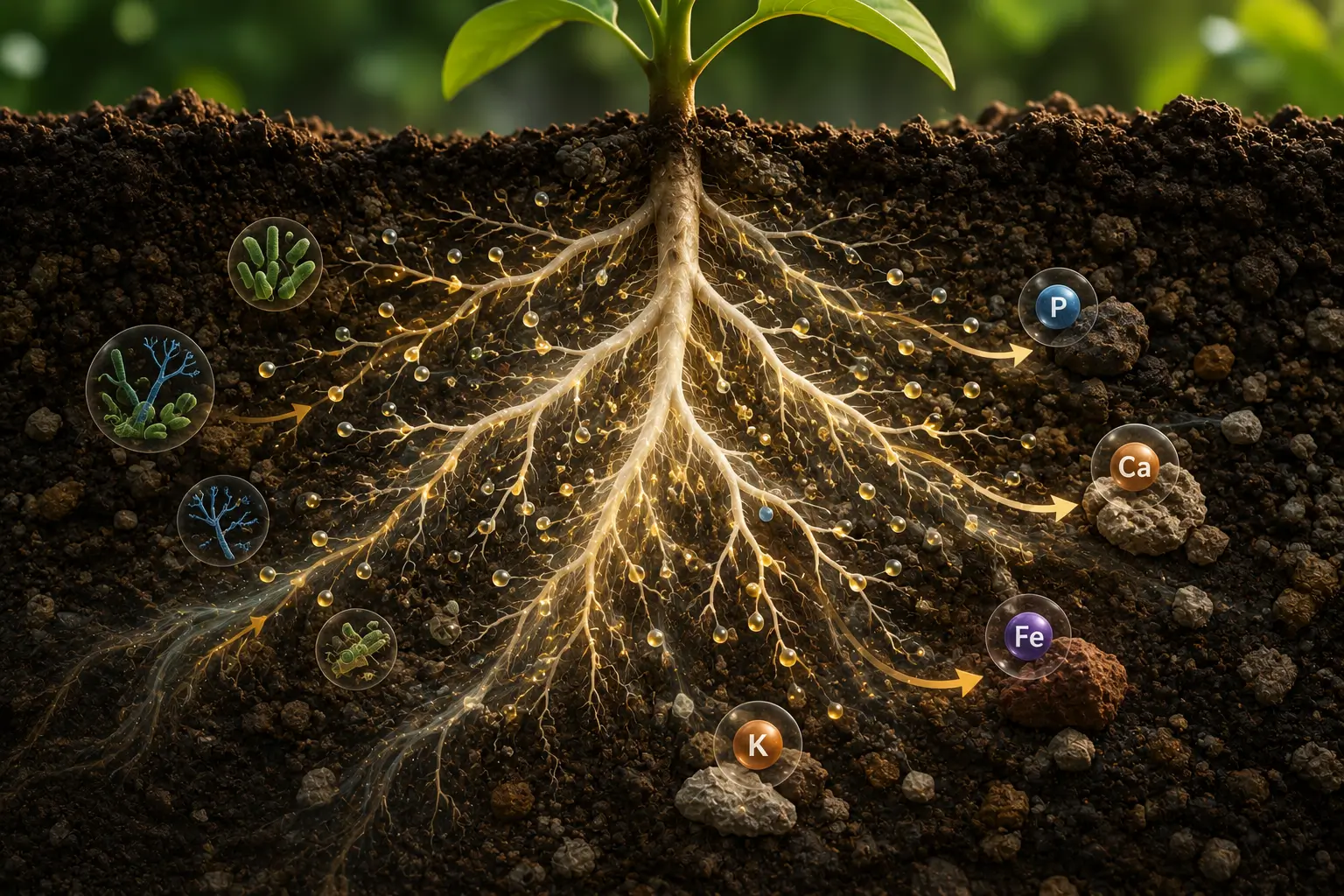
The Journey of Minerals to the Plant: For a mineral to enter a root from the soil, it must first dissolve in the soil solution (soil water) and then be absorbed by the root hairs. This is not a passive transition; plant roots expend energy and use specific ion channels to make selective uptake. However, this selectivity does not always work flawlessly.
-
The Impact of pH on Balance: Soil acidity or alkalinity (pH) directly affects the solubility of elements. Keeping soil pH in the ideal range (generally between 6.0 and 7.0) in ecological farming means hitting the “sweet spot” where all elements can be absorbed most easily by the plant. Incorrect pH levels cause elements to become locked up in the soil.
2. What is Nutrient Antagonism?
The biggest misconception in plant nutrition is the idea that “the more nutrients you add to the soil, the better the plant will grow.” In reality, elements are in fierce competition with each other to enter through the plant roots.
-
The Nature of Element Competition: Antagonism, in simplest terms, is a condition where the excessive presence of one nutrient element prevents the plant from absorbing, uptaking, or utilizing another nutrient element within its cells. This situation causes the plant to act as if an element that is actually present in the soil does not exist.
-
Physical Blockage in Ion Channels: Plant root cell membranes have special gates (carrier proteins) that let elements in. Because elements like calcium, magnesium, and potassium have similar chemical properties and electrical charges, they often try to pass through the same gates. If too much potassium accumulates in front of the gate, magnesium cannot enter. This is purely a physical and chemical “traffic jam” in the root zone.
-
Moving Beyond Liebig’s Law of the Minimum: Liebig’s Law, known since the 19th century, states that plant growth is limited by the element present in the least amount. However, antagonism adds a modern and complex dimension to this law: Sometimes what limits your growth and yield is not the missing element, but the blockage created by the excess element. Ecological farming requires multi-dimensional thinking in this regard.
-
Antagonism vs. Synergism: The exact opposite of antagonism is synergism. In synergism, the presence of one element facilitates the uptake of another (e.g., the relationship between sulfur and nitrogen). Successful ecological farming is the art of minimizing antagonisms and maximizing synergistic relationships.
3. Why is “Balance” Everything in Ecological Farming?
Ecological farming is the science of mimicking nature. In nature, no element exists alone and in excessive doses; everything is part of a system and a cycle. When this ionic balance is disrupted, the agricultural system begins to collapse.
-
The Devastation Caused by Synthetic Fertilizers: In conventional farming, the unconscious and high-dose application of N-P-K (Nitrogen-Phosphorus-Potassium) heavy synthetic fertilizers has completely overturned the soil’s ionic balance. This one-sided loading creates massive antagonism crises in the soil, weakening plants and leaving them vulnerable to diseases. Ecological farming primarily aims to repair this damage.
-
Protecting the Soil’s Buffering Capacity: A healthy, organic-rich ecological soil acts as a shock absorber against sudden chemical changes. This is called buffering capacity. Practices like composting, green manuring, and mulching increase this capacity, preventing element fluctuations from poisoning the plant or causing antagonism.
-
Correct Ratios for Sustainable Yield: For ecological farmers, it is not just the total amount of nutrients in the soil that matters, but their “ratios” to one another. For instance, in an ideal soil, the ratio of Calcium to Magnesium or Potassium to Magnesium must be within specific ranges. When these ratios are met, the plant experiences no stress, its natural immunity is high, and sustainable quality is achieved.
-
The Role of Microbial Diversity in Breaking Antagonism: Beneficial soil microorganisms form symbiotic relationships with plant roots (e.g., mycorrhizal fungi), expanding the roots’ reach by hundreds of times. These microorganisms build biological bridges that can transport specific elements to the plant even in harsh conditions where antagonism is high.
4. The Strategic Role of Soil Analysis in Ecological Farming
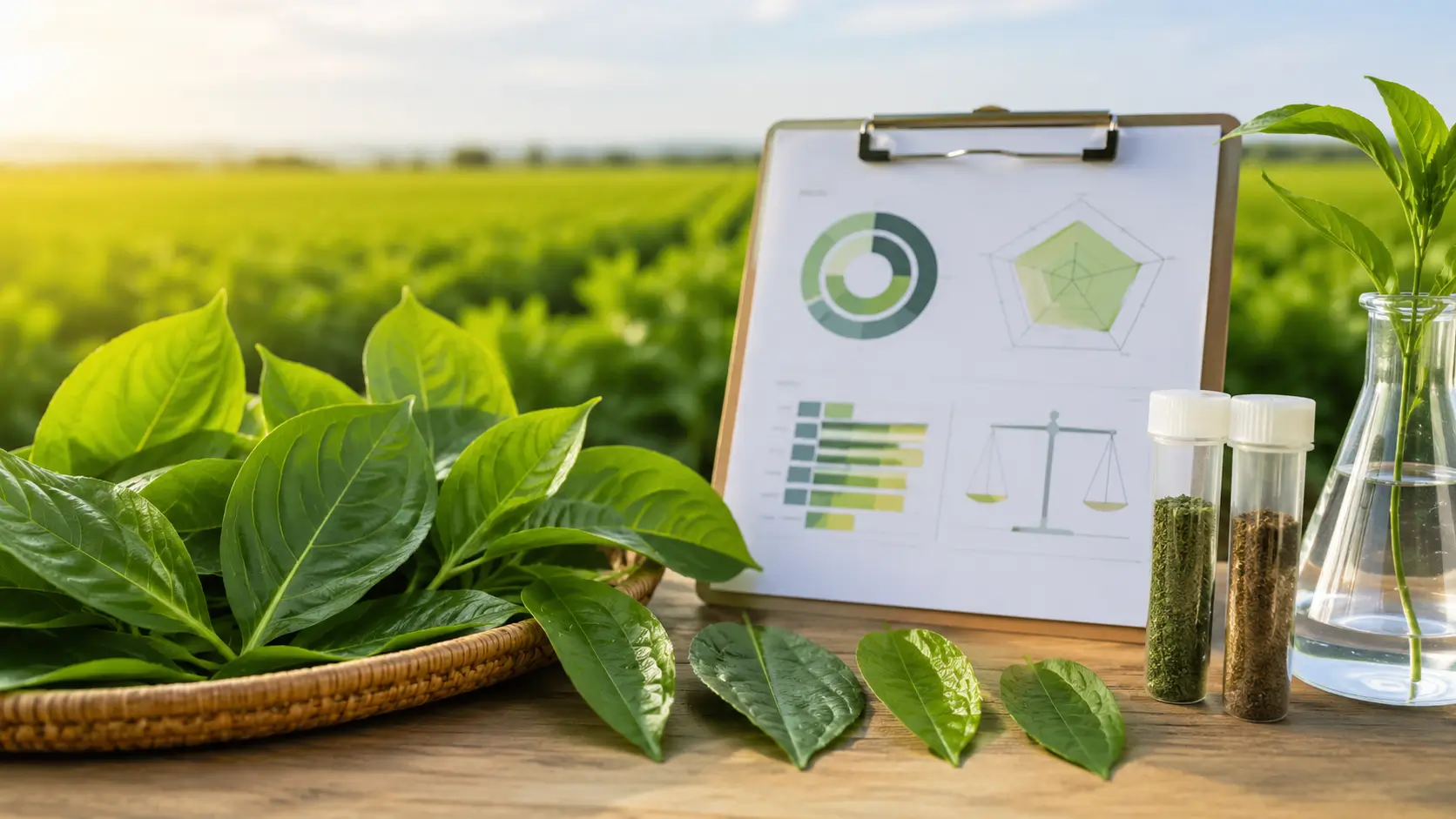
The only way to properly manage these invisible ionic wars is to act on scientific data. In ecological farming, soil analysis is not just a search for a simple recipe; it is a detailed check-up of the soil.
-
Looking at Base Cation Saturation Ratios (BCSR), Not Just Amounts: A good soil analysis doesn’t just state the amount of elements; it shows what percentage of the soil’s CEC is filled with calcium, magnesium, or potassium. Antagonism risks can only be accurately diagnosed by looking at these percentage ratios.
-
Early Diagnosis of Hidden Hunger: When nutrient deficiencies caused by antagonism show symptoms (chlorosis, necrosis) on the leaves, it is usually too late because the plant is already experiencing a loss of yield. This condition is called “hidden hunger.” Regular soil and leaf tests allow us to detect hidden hunger months before visual symptoms appear.
-
Planning Preventive Ecological Measures: Strategies are determined based on analysis results. For example, if there is a potassium excess, potassium-rich organic fertilizers (like excessive use of wood ash) are avoided. Instead, ecologically approved conditioners like magnesium sulfate (Epsom salt) or dolomitic limestone, which provides calcium-magnesium balance, are strategically planned.
-
Reading the Soil’s Past and Future: Analyses are the most reliable compass showing the direction your ecological farming practices (rotation, cover crops, etc.) are taking the soil. Correctly interpreting an analysis saves the farmer from the costs of trial and error and maximizes the biological potential of the soil.