Professional Tips for Fertilizer Application
Fertilizer application is vital for improving plant health and productivity in agricultural production. By using the right fertilization techniques and strategies, the nutrients that plants need can be provided most efficiently. This article discusses professional tips for fertilizer application and key points to consider.
- Soil Testing and Analysis
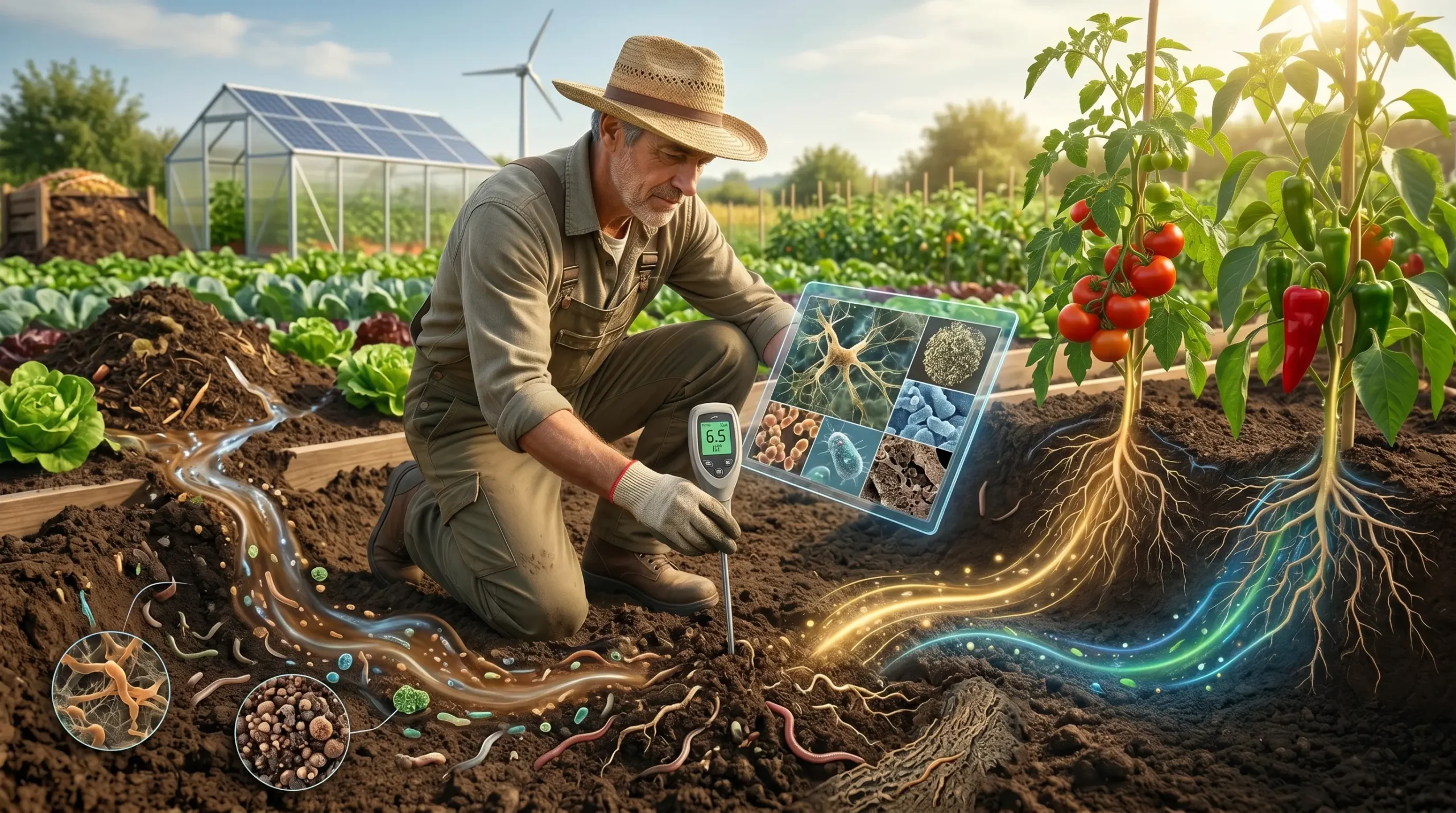
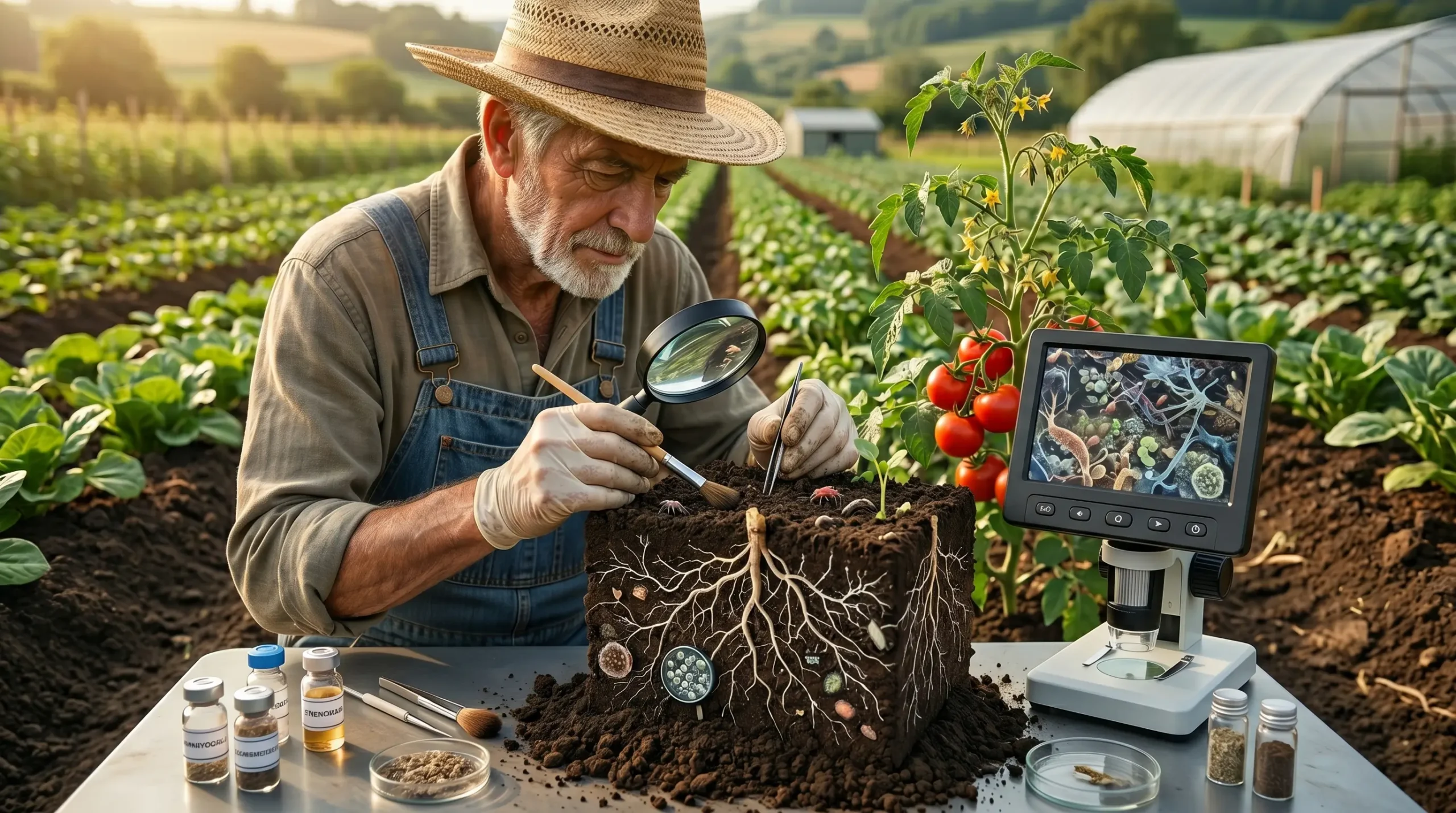
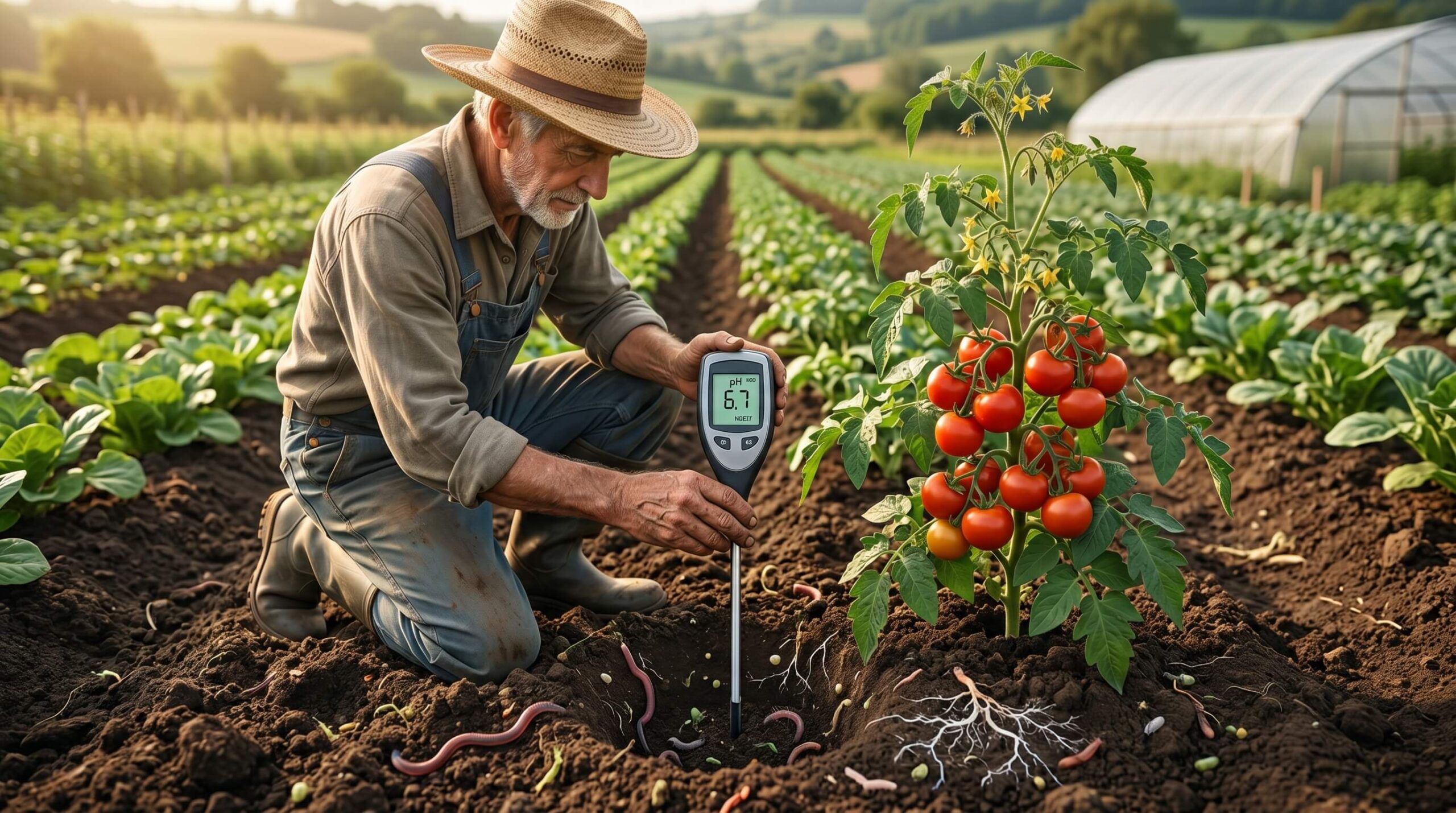
- Conduct Soil Tests: Before starting a fertilization program, it is important to conduct soil tests to determine the current nutrient levels, pH value, and other key properties of the soil. This helps identify which nutrients are deficient and which fertilizers should be used.
- Regular Analysis: Repeating soil analyses regularly is essential for continuously monitoring the nutrient status of the soil and updating the fertilization program when necessary.
- Choosing the Right Fertilizer
- Fertilizer Selection Based on Plant Type: Different plant types have different nutrient requirements. Fertilizers should be selected based on the specific nutrient needs of different plant groups, such as leafy vegetables, fruit trees, grains, or root crops.
- Macro and Micronutrients: Balanced fertilizers containing all the macro (nitrogen, phosphorus, potassium) and micro (zinc, iron, manganese, copper, molybdenum, boron) nutrients that plants need should be preferred.
- Timing of Application
- Application Based on Growth Cycle: Fertilizers should be applied at times that align with the growth cycle of plants. Nitrogen-based fertilizers should be used at the beginning of the growing season, while phosphorus- and potassium-based fertilizers should be applied during flowering and fruiting periods.
- Split Application: Instead of applying fertilizers all at once, it is more effective to apply them gradually throughout the growing season. Split application ensures that plants have continuous access to nutrients and reduces nutrient loss.
- Application Methods
- Surface Application: Fertilizers are spread on the soil surface and mixed into the soil with rain or irrigation water. This method is suitable for large areas but requires attention to wind and water erosion.
- Fertigation with Drip Irrigation: Liquid fertilizers are delivered directly to plant roots through a drip irrigation system. This method optimizes water and fertilizer use and ensures even distribution of nutrients.
- Foliar Spraying: Fertilizers are sprayed onto plant leaves. This method allows plants to quickly absorb nutrients and is effective in addressing micronutrient deficiencies.
- Dosage Control
- Correct Dosage: Using fertilizers in the appropriate dosage ensures that plants absorb nutrients effectively. Over-fertilization can harm plants and cause environmental pollution.
- Fertilizer Guides and Label Instructions: Carefully read the guides and label instructions provided by fertilizer manufacturers. Follow the recommended dosage and application methods.
- Environmental Sensitivity
- Erosion and Leaching Control: Prevent fertilizers from being washed into water sources by rain or irrigation by ensuring erosion control and using proper irrigation techniques.
- Organic and Sustainable Fertilization: Organic fertilizers and biological fertilization methods minimize environmental impacts. Organic sources such as compost, animal manure, and green manure should be preferred.
In conclusion, following professional tips for fertilizer application is crucial for maintaining plant health and increasing agricultural productivity. Soil testing and analysis, selecting the right fertilizer, determining proper timing and methods are essential. This guide provides fundamental and practical information for adopting professional approaches to fertilizer application.