Why Do Leaves Turn Yellow?
1. The Most Common Causes of Leaf Yellowing
1.1. Nutrient Deficiencies
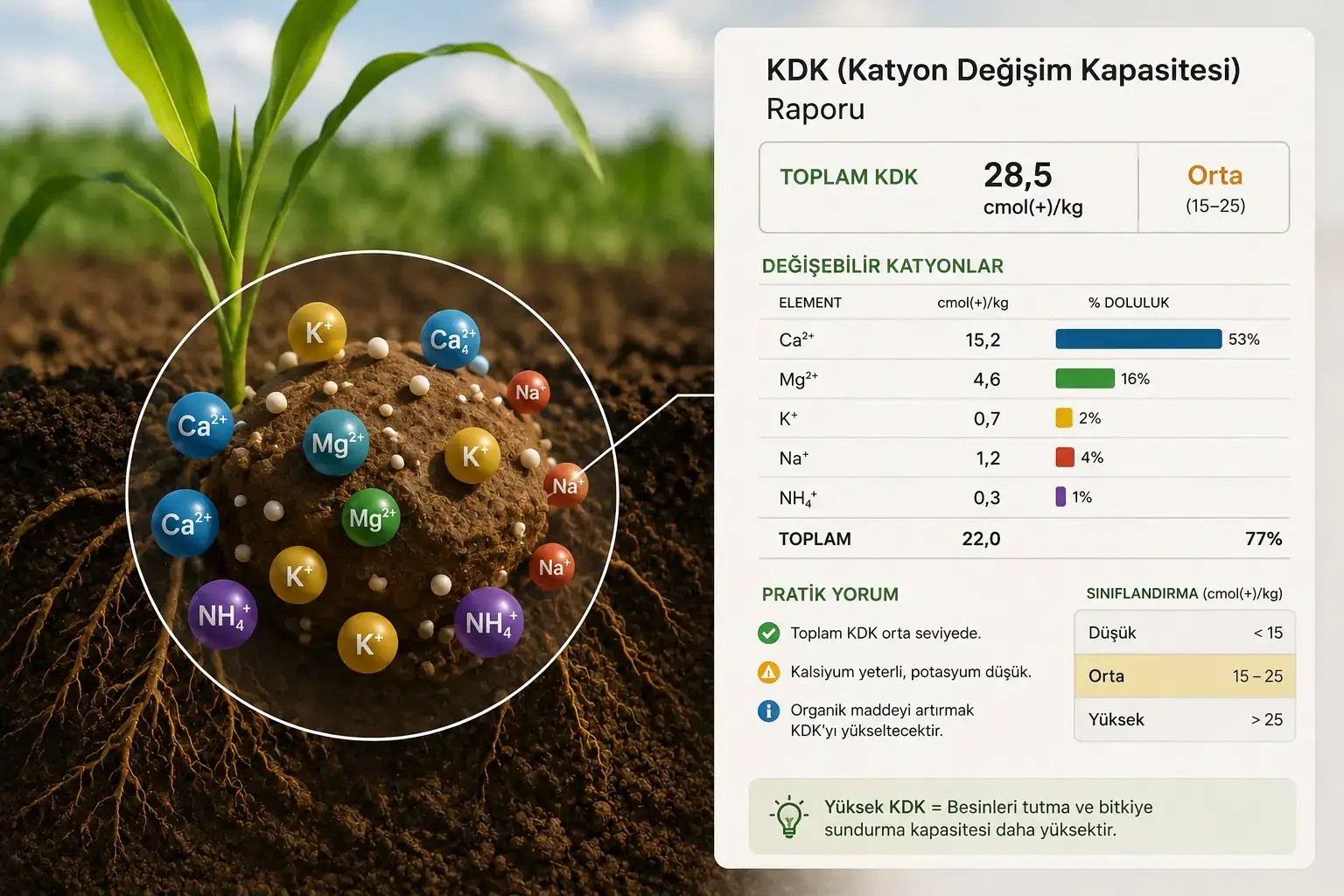
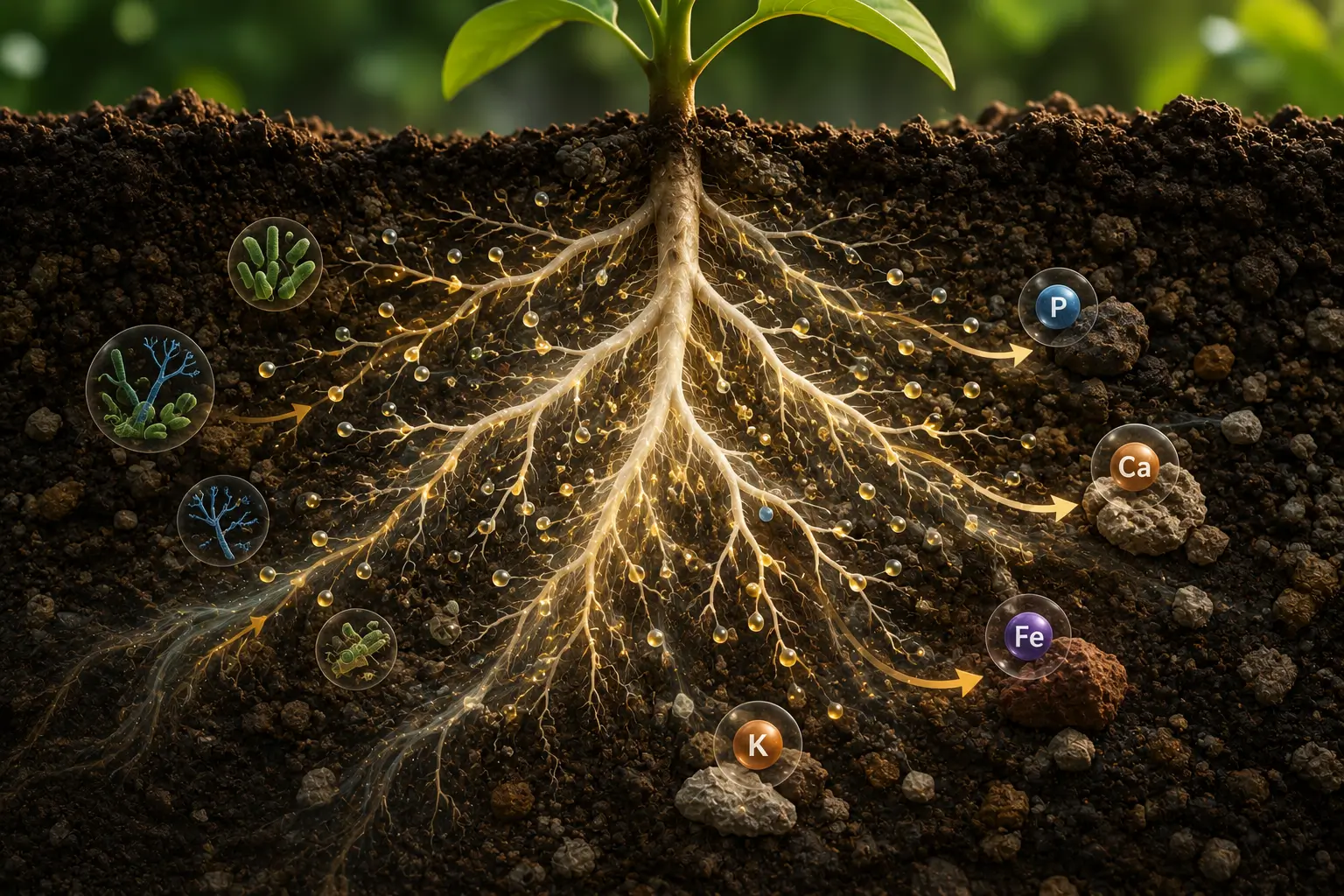
The most frequent reason for yellow leaves is nitrogen deficiency.
Nitrogen is responsible for chlorophyll production, and without it, leaves fade from green to yellow.
When phosphorus or potassium is lacking, yellowing starts from the lower leaves and moves outward.
If the veins remain green but the spaces between them turn yellow, it usually indicates an iron deficiency.
1.2. Improper Watering
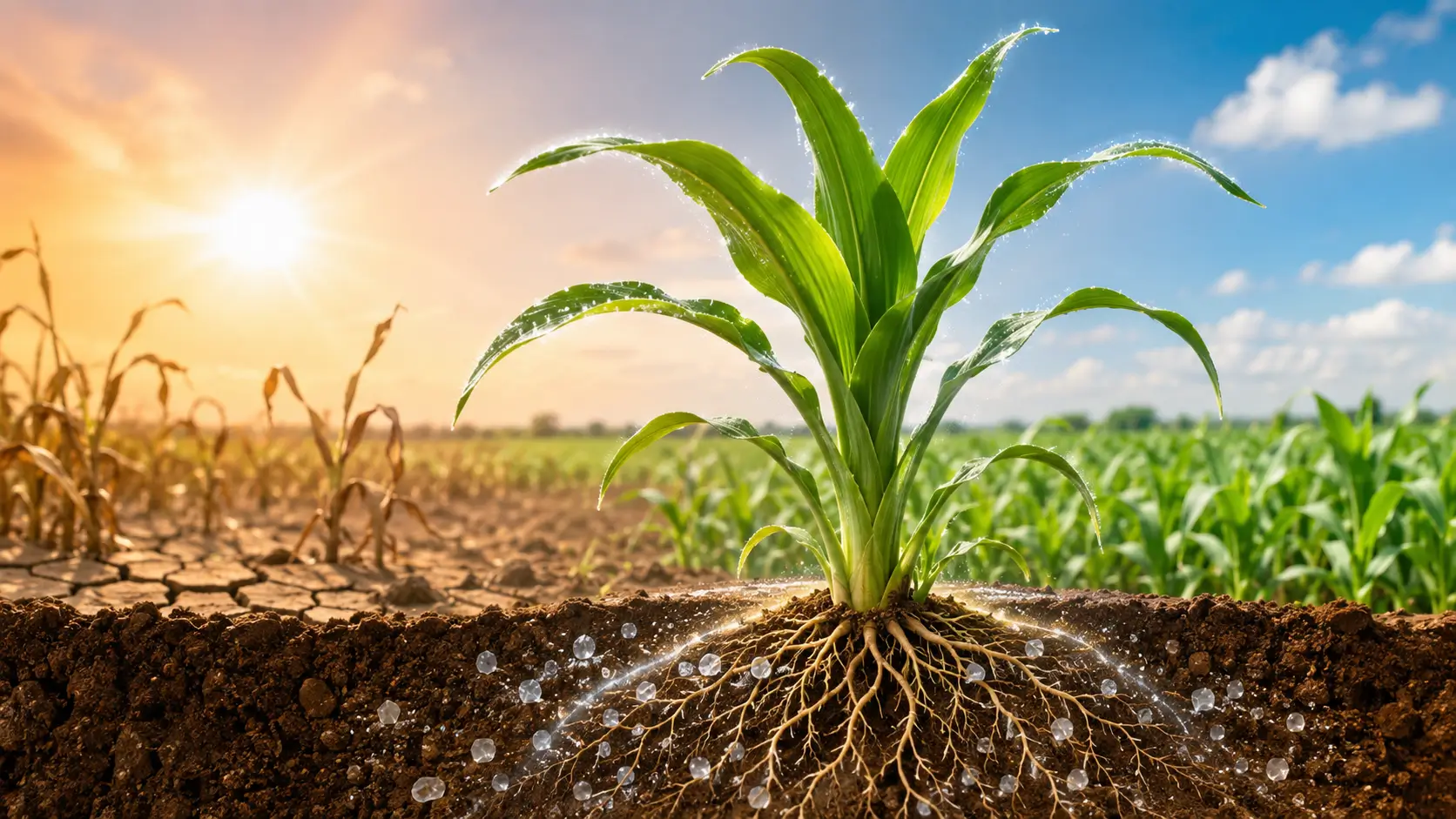
Both overwatering and underwatering stress the plant.
Too much water suffocates roots, while too little prevents them from absorbing nutrients.
The best practice is to water only when the topsoil feels dry.
If the soil stays constantly wet, ensure proper drainage to avoid root rot.
1.3. Light Issues
Lack of light reduces photosynthesis, leading to pale or yellow leaves.
On the other hand, too much direct sunlight can cause sunburn, leaving brown-yellow patches.
Placing plants according to their light tolerance prevents this problem.
2. Environmental Factors and Growth Conditions
2.1. Sudden Temperature Changes
Rapid shifts in temperature — especially near windows or air conditioners — cause leaf yellowing due to shock.
Plants prefer stable environments without extreme changes.
2.2. Low Humidity and Air Quality
Dry indoor air causes leaf tips to turn yellow or brown, particularly in tropical plants.
Air pollutants, smoke, or chemical sprays can also damage leaves.
Using a humidifier or water tray helps maintain balance.
2.3. Root Bound or Compacted Soil
When roots have no room to grow, they can’t absorb enough water or nutrients.
This often happens in small pots or compact soil.
Repotting once a year restores proper root function and growth.
3. Pests and Diseases
3.1. Aphids and Spider Mites
These pests suck sap from the leaves, weakening the plant.
Early signs include sticky residue and yellowing.
Natural solutions like neem oil or mild soap water help control them.
3.2. Fungal Infections
Root or leaf fungi restrict oxygen and nutrient flow, causing yellow or spotted leaves.
Improving soil drainage and avoiding overwatering are effective prevention methods.
3.3. Chemical Sensitivity
Excess fertilizer, harsh pesticides, or hard tap water may also cause discoloration.
Use filtered or rested water whenever possible.
✅ Conclusion:
Yellowing leaves are your plant’s way of signaling distress.
Common reasons include nutrient deficiency, incorrect watering, or environmental stress.
With balanced care and quick diagnosis, leaves can regain their vibrant green color.
Remember, every yellow leaf is a lesson in better plant care.