What Should I Do If My Plant Isn’t Flowering?
1. Common Reasons Why Plants Don’t Bloom
1.1. Lack of Sunlight
Flowering requires energy, and light is the main source of that energy.
If a plant doesn’t get enough sunlight, it channels its energy into leaf and stem growth instead of flowering.
Indoor plants kept far from windows often suffer from this.
Move your plant to a spot with gentle morning or evening sunlight to stimulate blooming.
1.2. Excess Nitrogen
Nitrogen helps with leaf growth, but too much of it suppresses flowers.
This often results in lush green foliage but no blooms.
Switch to a fertilizer higher in phosphorus and potassium (like 10-30-20) to encourage buds.
1.3. Inappropriate Temperature
Some plants, such as orchids or citrus trees, need mild day-night temperature variations to bloom.
If conditions are too constant, the plant won’t sense it’s time to flower.
Maintain a moderate range between 20–25°C for optimal results.
2. Nutrient Balance and Soil Conditions
2.1. Low Phosphorus Levels
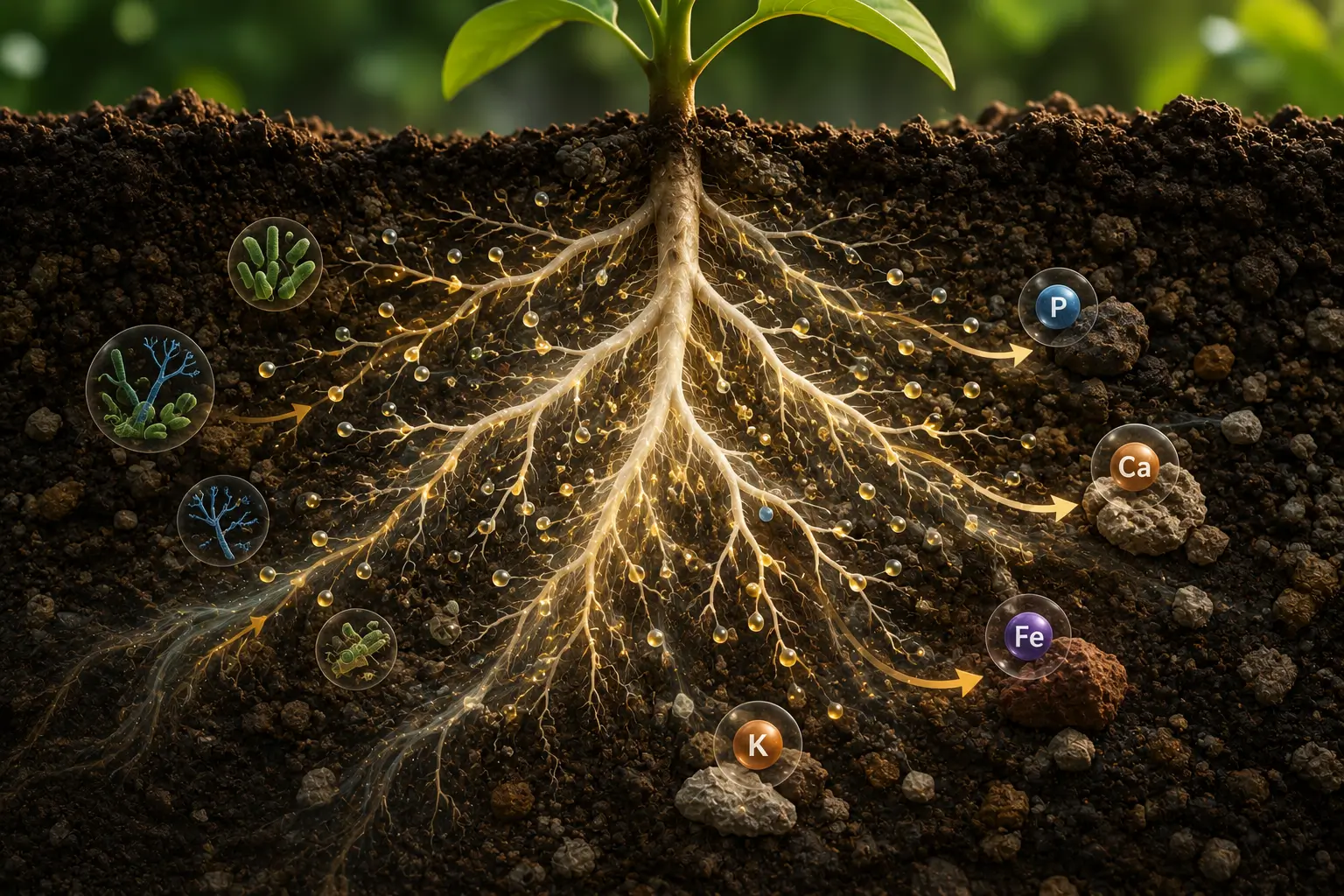
Phosphorus plays a vital role in root and flower development.
If it’s missing, the plant struggles to form buds.
Periodic soil testing and phosphorus-based fertilizers help maintain balance.
2.2. Lack of Organic Matter
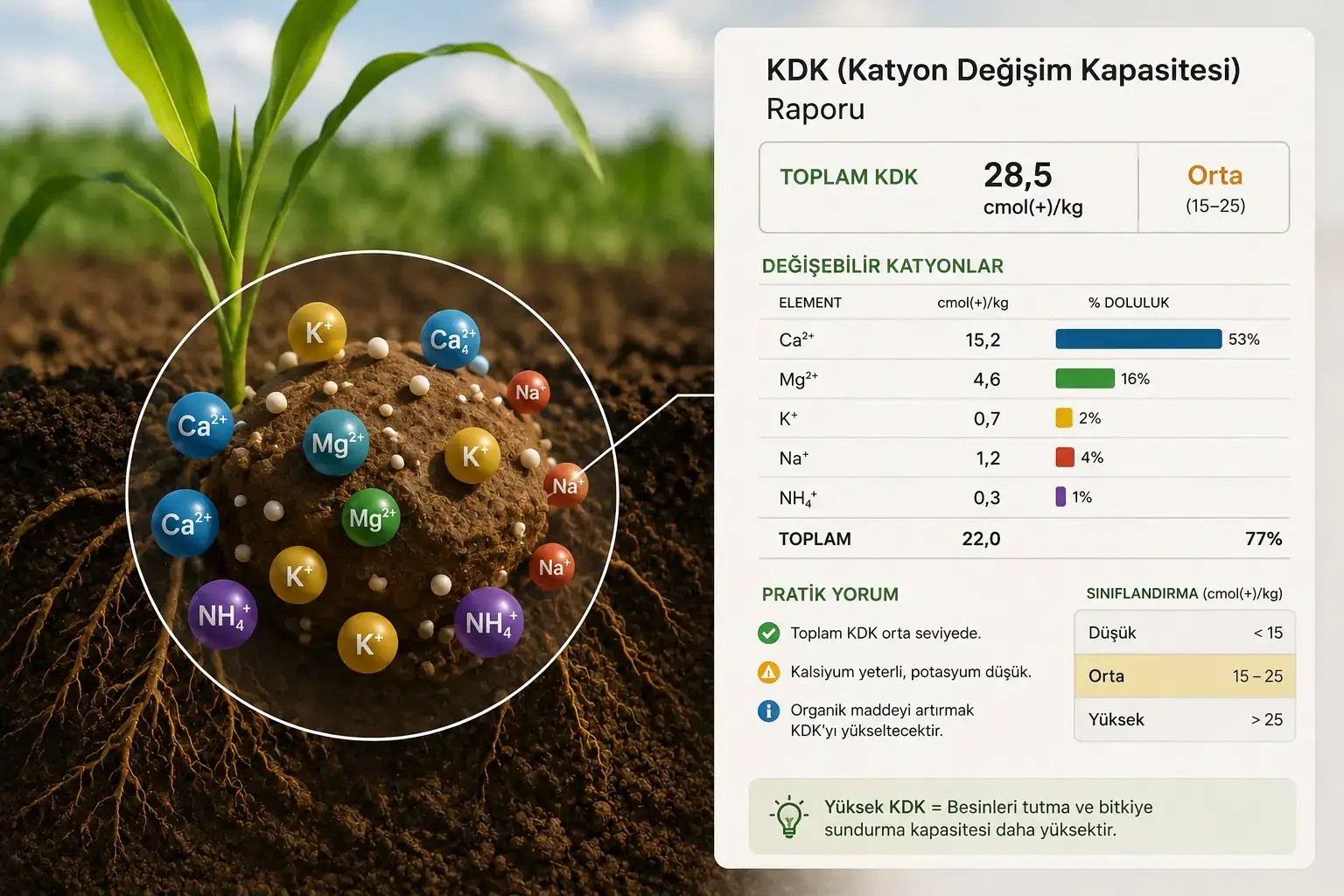
Soils poor in organic material lose fertility and microbial life.
This limits nutrient absorption and delays blooming.
Adding compost or humic acid products can revive soil vitality.
2.3. Overwatering
Consistently wet soil deprives roots of oxygen and causes stress.
This prevents the plant from entering its flowering phase.
Adjust watering intervals according to season and species.
3. Environmental and Stress Factors
3.1. Frequent Repotting
Constantly disturbing roots causes stress, halting both growth and blooming.
Only repot when roots are visibly escaping the pot or soil is too compacted.
3.2. Air Circulation and Humidity
Dry air and poor circulation cause buds to dry or fall off before opening.
Maintaining humidity around 50–60% promotes successful flowering.
3.3. Daylight Duration
Certain plants (like chrysanthemums or citrus) bloom based on day length.
If daylight hours are too short, the flowering process won’t start.
Extending exposure with a grow light can trigger the bloom cycle.
✅ Conclusion:
If your plant isn’t flowering, it’s likely due to light deficiency, excess nitrogen, or stress factors.
By adjusting light exposure, using phosphorus-rich fertilizer, and keeping the environment stable, you can encourage your plant to bloom beautifully again.
Remember, every flower needs balance, patience, and care to blossom.